Players who want to remove cable drag and can plan for charging or replaceable batteries. Compare our source-backed shortlist, practical tradeoffs and documented alternatives.
Last Updated: 10/4/2026
This page contains affiliate links. We may earn a commission if you make a purchase, at no additional cost to you.
As an Amazon Associate I earn from qualifying purchases.
Affiliate Disclosure: purchases through affiliate links may earn a commission. Commission and buying-channel priority do not determine editorial rankings. Read the disclosure ↗
How We Chose · Methodology
Editorial selection compares official specifications and the existing published product research, including cited independent reviews where available. We prioritize shell and control requirements for this guide, disclose unknown values and receiver or firmware conditions, and do not claim hands-on tests. Position is an editorial field; merchant availability, affiliate commission and channel priority do not affect inclusion or order.
Players who want to remove cable drag and can plan for charging or replaceable batteries. Bluetooth convenience, receiver gaming and stated battery maxima are separate requirements.
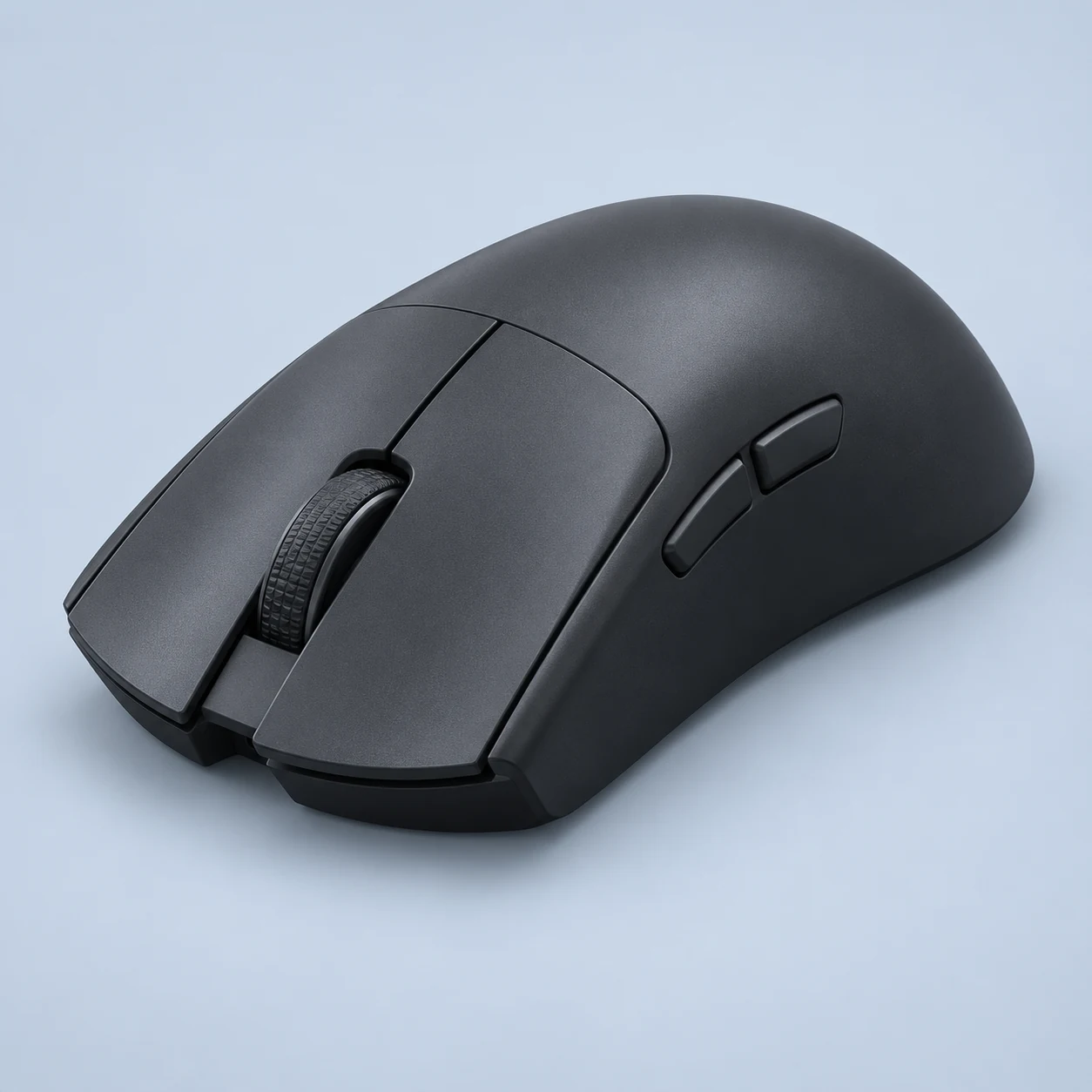
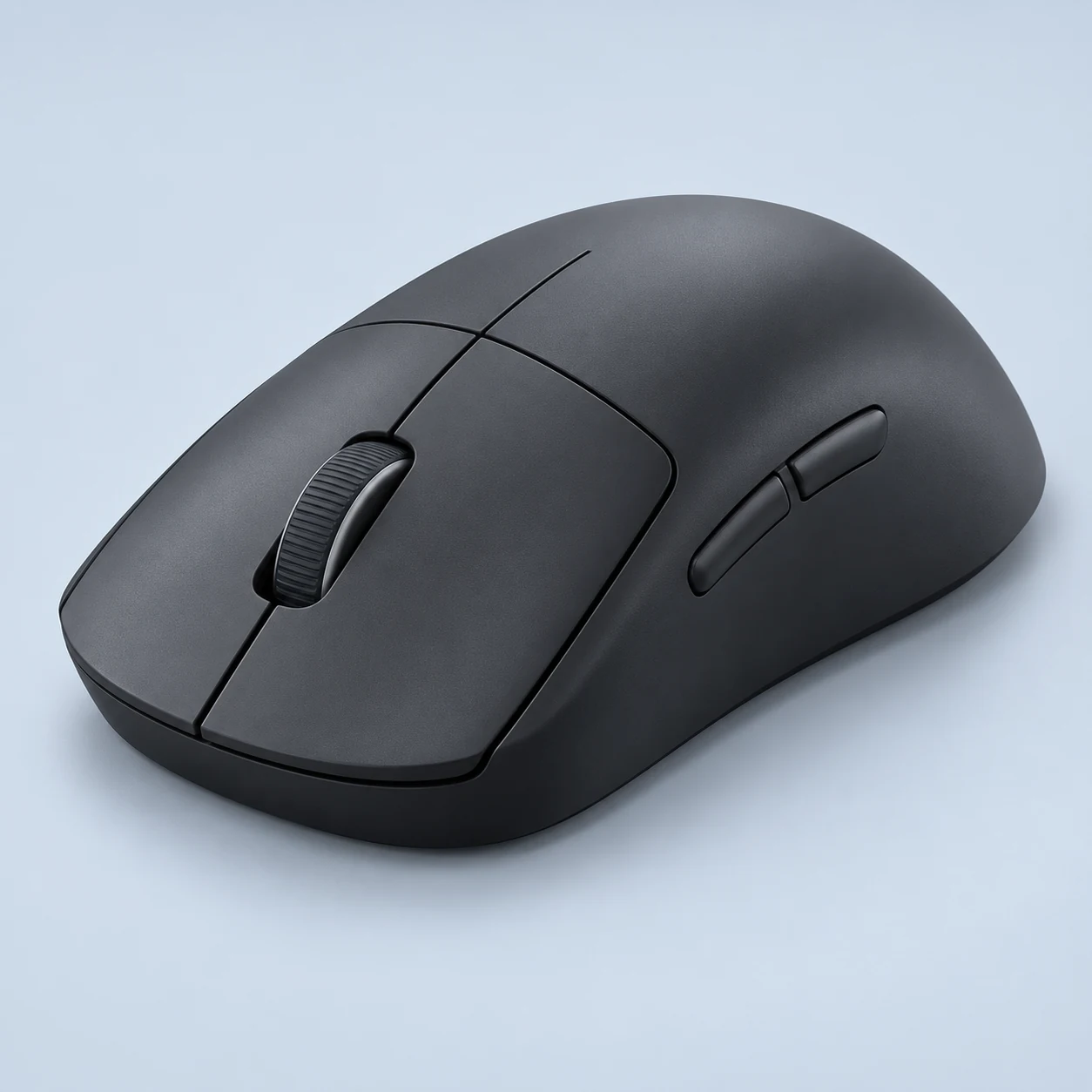
The PRO X SUPERLIGHT 2 concentrates on low-weight wireless control rather than a large command layout. Logitech documents a 60 g shell, HERO 2 sensor and LIGHTFORCE main switches, with current support information confirming 8,000 Hz wireless reporting and USB-C charging. Its broadly symmetrical shape makes it a starting point for players comparing grip preferences. Five buttons and receiver-only wireless connectivity keep the purpose clear: competitive aiming, with fewer conveniences for extensive macros or multi-device work.
LIGHTSPEED receiver operation, USB-C charging and a 60 g shell provide a compact wireless feature set. Bluetooth is absent, so it is less convenient for a receiver-free second computer.
Best For
Players moving between Valorant, CS2 and other aim-focused games can consider the SUPERLIGHT 2 when a rechargeable receiver connection and a restrained button layout suit their setup. The documented low shell weight is relevant to repeated repositioning, while the broad shape assessment from RTINGS makes it worth comparing before choosing a more specialized shell. It can also serve general gaming when most abilities stay on the keyboard. The decision to use 8K should follow stable frame delivery and compatibility checks on your own PC; there is no need to run the highest rate solely because it is available. Prioritize comfortable reach to the left-side controls and an acceptable charging routine over nominal DPI or esports branding.
Tradeoffs
A dedicated MMO user who wants a thumb grid should begin with the Naga V3 Pro or SCIMITAR RGB ELITE instead of trying to turn five buttons into a complete action bar. People who require Bluetooth for a second computer also need a different model. A strongly sloped right-handed shell may better suit someone who dislikes symmetrical contact points; the DeathAdder V3 Pro is an existing alternative to compare. If keeping a battery charged is itself inconvenient, the wired Pulsefire Haste 2 offers a different ownership tradeoff. None of these alternatives is universally better: each changes a particular constraint.
Pros
Manufacturer-listed 60 g mouse keeps the shell light without a permanently attached cable.
Current official support confirms 8,000 Hz reporting rather than limiting the listing to its launch configuration.
Cons
No Bluetooth connection for switching to a receiver-free laptop or tablet.
Five buttons provide less command access than the existing Naga and Scimitar MMO models.
Key Specs
Weight
60 g
Connection
Wired / Wireless receiver
Maximum polling
8000 Hz
Sensor
HERO 2
Manufacturer maxima may require firmware or a separately purchased receiver. See product specifications for conditions.
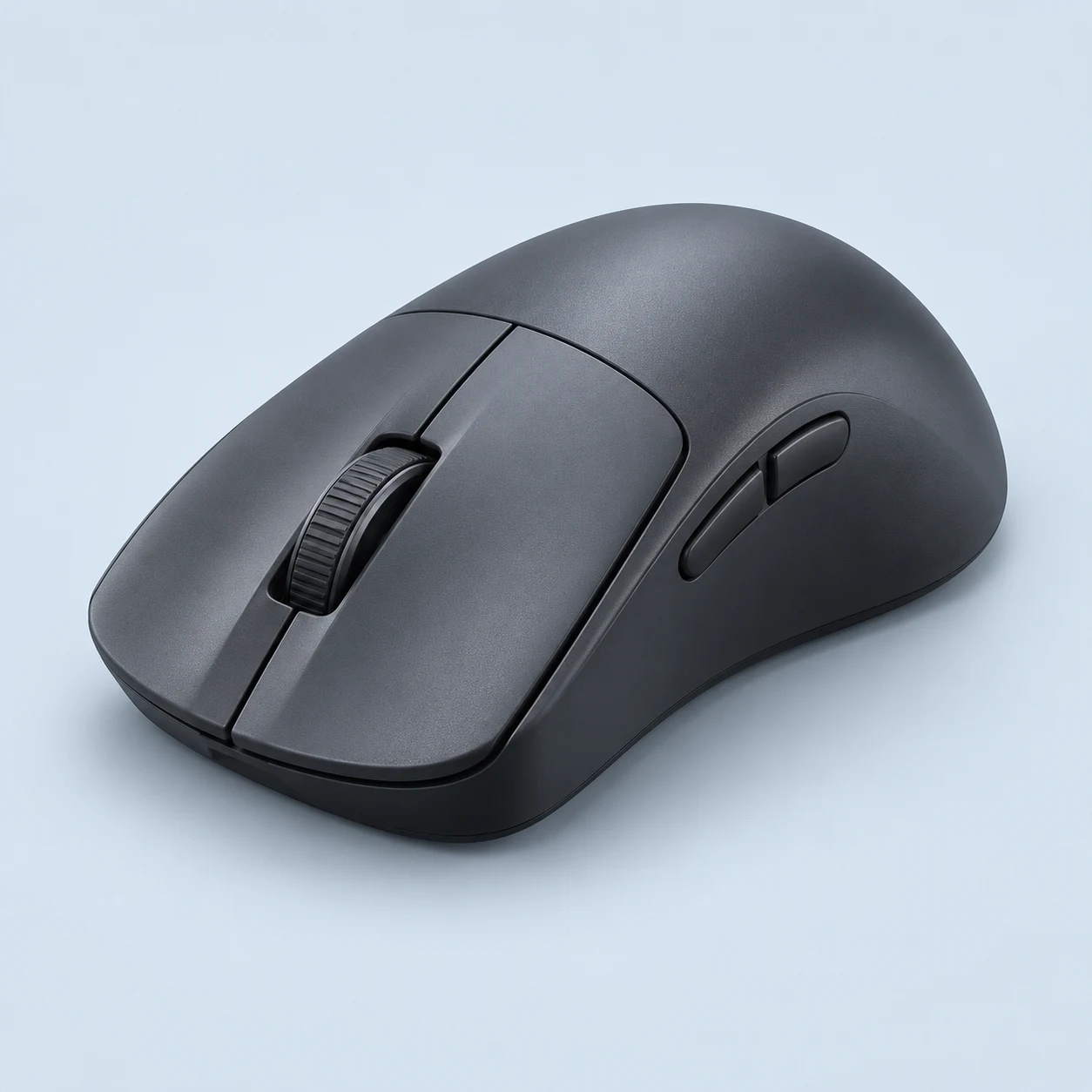
Razer's Viper V3 Pro is a receiver-based esports mouse centered on a light, symmetrical right-handed shell. The black edition weighs 54 g excluding cable and dongle, with a Focus Pro 35K Gen-2 sensor and third-generation optical main switches. Its included HyperPolling receiver enables up to 8,000 Hz wireless reporting. The design favors aiming and a small command layout; Bluetooth and lighting are absent, and the official battery figures change substantially with report rate.
The documented 54 g black model pairs a minimal control layout with receiver-based wireless. Its battery claims must be read at their stated polling conditions.
Best For
The Viper V3 Pro belongs on the shortlist of FPS players who already know they prefer a relatively symmetrical shell and want a low moving weight. Its included high-rate receiver simplifies the hardware requirement for experimenting with 2K, 4K or 8K, while the documented runtime table makes the battery cost visible. Players who use keyboard bindings for most utility have less need for an elaborate side panel. Those coming from a rounded SUPERLIGHT or a sloped DeathAdder should compare the contact profile rather than assume that similar overall dimensions mean the same feel. The premium feature set is most relevant when the receiver connection, recharge routine and restrained controls all suit the intended gaming setup.
Tradeoffs
Someone looking for long intervals between charging while permanently using 8K should consider the documented 17-hour limit before buying. Bluetooth-dependent laptop use is another clear mismatch. A palm user who deliberately wants the side support and slope of an ergonomic right-handed shell has a reason to compare the DeathAdder V3 Pro instead. MMO players wanting many accessible abilities should evaluate a Naga or Scimitar. The wired Haste 2 changes a different constraint by removing battery management, though it retains cable routing. Choose an alternative for the requirement it changes rather than treating any lower weight or higher DPI figure as a complete verdict.
Pros
The black mouse-only specification is 54 g; the receiver is not incorrectly counted as part of the moving shell.
An 8K-capable HyperPolling receiver is included for this model.
Cons
Maximum-rate wireless use has a stated battery ceiling of 17 hours, far below the 1K headline.
No Bluetooth mode for a receiver-free second device.
Key Specs
Weight
54 g
Connection
Wired / Wireless receiver
Maximum polling
8000 Hz
Sensor
Focus Pro 35K Optical Sensor Gen-2
Manufacturer maxima may require firmware or a separately purchased receiver. See product specifications for conditions.
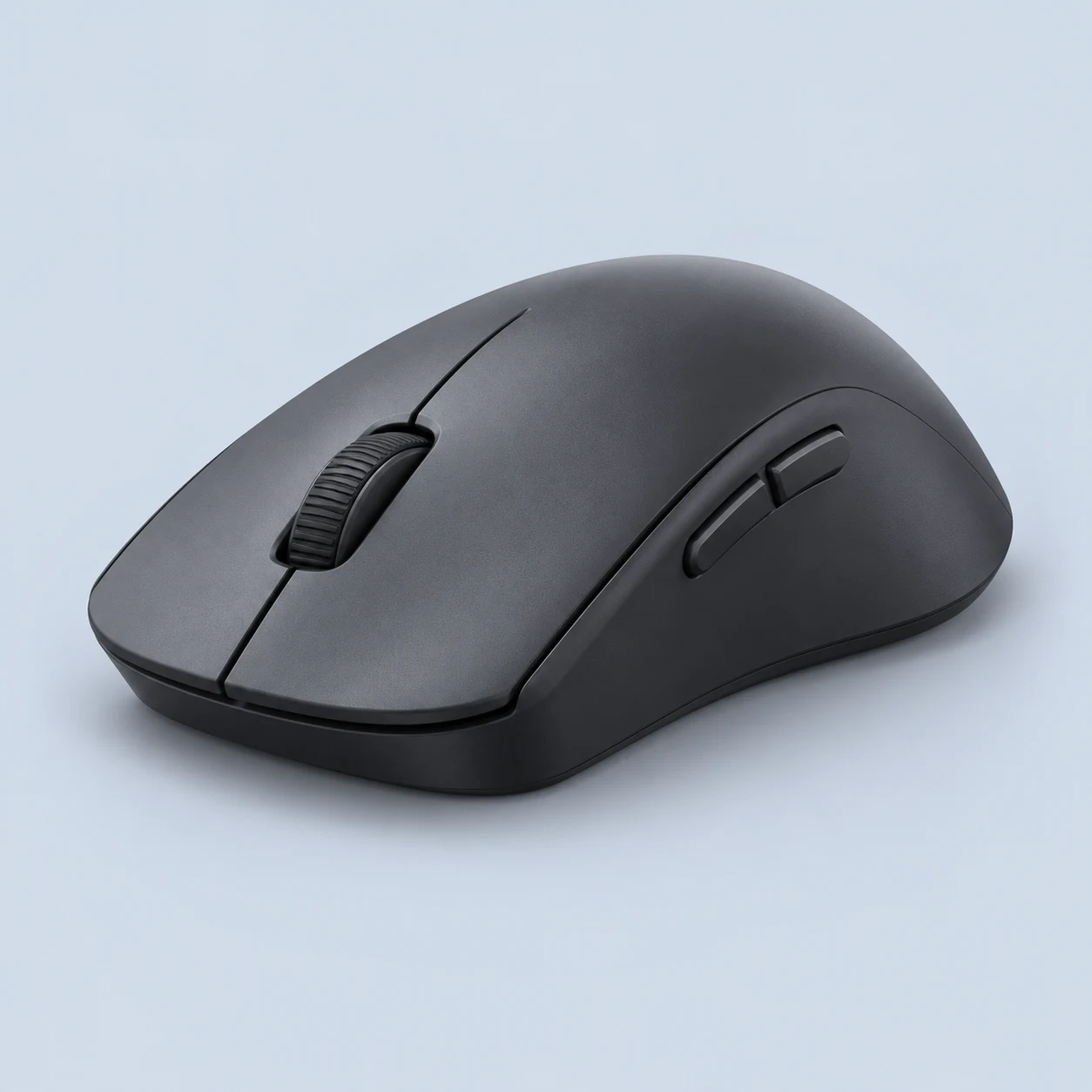
DeathAdder V3 HyperSpeed is a smaller rechargeable ergonomic mouse than the V3 Pro, built around a 55 g advertised body and Focus X 26K sensor. Its standard receiver reports at 1K, with an optional dongle required for the 8K maximum. It has no Bluetooth or RGB. The compact right-handed shell is the main reason to compare it with other DeathAdders, while RTINGS cautions that its flared front edge can create a ring-finger pressure point for larger hands.
The 55 g model offers a smaller ergonomic alternative to the V3 Pro. Maximum 8K support requires the appropriate optional receiver, so check the exact box contents.
Best For
Right-handed players seeking a compact sloped shell have a concrete reason to examine the HyperSpeed version rather than choosing a DeathAdder by name alone. Its smaller dimensions and low advertised mass can matter to a grip preference that finds the Pro too full-size. The restrained controls suit aim-focused games and keyboard-led bindings without adding RGB or a thumb grid. A buyer comfortable with receiver use can begin with the supplied 1K arrangement and consider an optional high-rate accessory only after deciding it is useful. Rechargeable USB-C ownership is part of the verified setup. Ring-finger contact deserves special comparison because the public independent review identifies a flare-related issue for some larger hands.
Tradeoffs
Someone who wants more shell support or dislikes the front-right flare should compare the larger DeathAdder V3 Pro. A buyer wanting a permanent power connection can choose wired DeathAdder V3 instead of managing receiver battery life. Bluetooth-dependent work calls for Haste 2 Wireless or another confirmed Bluetooth model. Do not purchase optional high-rate hardware expecting the same 100-hour advertised maximum: exact-model support associates 8K with a much shorter claim. Finally, a dense MMO action bar is a different requirement from this ergonomic aiming design and should lead toward actual command-grid hardware.
Pros
Smaller documented shell provides a distinct ergonomic option within the V3 family.
USB-C rechargeable operation avoids replaceable AA batteries.
Cons
Higher-rate wireless operation needs an additional compatible dongle.
No Bluetooth for receiver-free device switching.
Key Specs
Weight
55 g
Connection
Wired / Wireless receiver
Maximum polling
8000 Hz
Sensor
Focus X 26K optical
Manufacturer maxima may require firmware or a separately purchased receiver. See product specifications for conditions.
Rival 3 Wireless Gen 2 uses replaceable AAA power with receiver and Bluetooth connections. SteelSeries documents up to 450 hours in Bluetooth, while gaming-receiver runtime has different conditions and claims. Its 95 g one-cell and 106 g two-cell figures make battery choice part of the mass decision. RTINGS describes a substantial shell and medium-hand claw or fingertip suitability. Confirmed 1K reporting and six controls support general gaming, while precise receiver-runtime reconciliation remains under editorial review.
Bluetooth and receiver connectivity offer more switching flexibility than receiver-only mice. Battery configuration changes weight, and battery maxima cannot be compared without their connection conditions.
Best For
A general-gaming user who wants receiver input at a desktop and Bluetooth at another device has a practical reason to consider Gen 2. Replaceable AAA cells may also suit someone who prefers swapping power rather than charging an internal pack. Medium-hand claw or fingertip users can compare the specific independent shape analysis with familiar hardware. Choosing one cell reduces documented operating mass relative to two cells, while changing available energy, so that decision belongs in the setup discussion. Six controls fit keyboard-led games and routine navigation. The 450-hour figure should be considered only as the stated Bluetooth condition; local price and receiver-runtime uncertainty remain relevant before purchase.
Tradeoffs
A competitive player prioritizing low ready-to-play mass should examine a lighter rechargeable model. Someone wanting a single precisely reconciled receiver-runtime claim should wait for clearer conditions instead of treating Bluetooth endurance as gaming endurance. A palm user should compare the low-profile contact against familiar support rather than accept a universal fit statement. Many-button MMO layouts and productivity wheels require different controls. Finally, a buyer avoiding disposable or separately rechargeable cells may prefer a USB-C internal battery, since the replaceable AAA design changes maintenance even though it eliminates an integrated charging schedule.
Pros
Receiver and Bluetooth provide two distinct connection roles.
Replaceable AAA cells avoid dependence on an integrated battery pack.
Cons
Ready-to-use mass is substantial beside lightweight rechargeable mice.
Receiver-runtime claims need condition reconciliation.
Key Specs
Weight
95 g
Connection
Wireless receiver / Bluetooth
Maximum polling
1000 Hz
Sensor
TrueMove Air
Manufacturer maxima may require firmware or a separately purchased receiver. See product specifications for conditions.
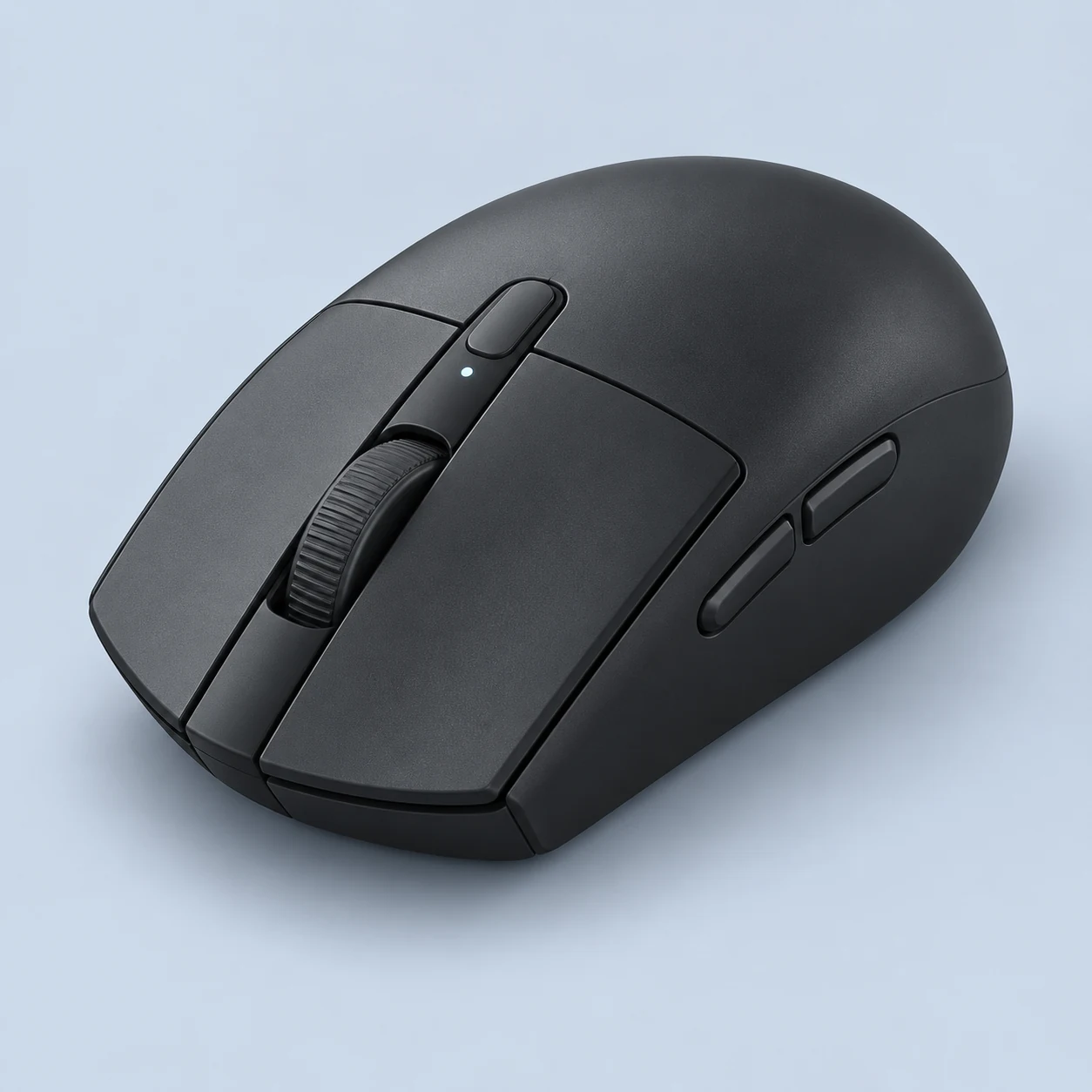
The G305 LIGHTSPEED uses a single replaceable AA battery and a USB receiver, making its power routine different from rechargeable esports mice. Logitech specifies a HERO sensor, six buttons and a 1 ms report interval, with a playable weight of 99 g including the battery. Its compact egg-shaped body suits buyers comparing a smaller shell and straightforward wireless controls. It lacks Bluetooth and onboard charging, so the low-maintenance appeal depends on accepting replaceable power and receiver-based connectivity.
Its AA-powered LIGHTSPEED design avoids a built-in charging routine. The documented 99 g figure is a distinct mass tradeoff against contemporary rechargeable lightweight models.
Best For
The G305 is relevant to a buyer who wants a compact receiver-based gaming mouse and prefers replacing an AA cell to managing a charging cable. Its six-button arrangement can cover common FPS or general-game actions while leaving an extensive ability layout on the keyboard. RTINGS's comments on the smaller shell make it worth comparing for users who find full-size ergonomic mice cumbersome, although that does not establish a guaranteed small-hand fit. For mixed gaming, the practical benefit is the documented long performance-mode battery ceiling and straightforward receiver connection. The buyer should be comfortable with the battery-inclusive weight and should not expect the moving mass or high report-rate options of a modern ultralight esports model.
Tradeoffs
Players whose first requirement is the lowest moving weight should compare the rechargeable SUPERLIGHT 2 or a wired Haste 2 instead of using the G305's battery-free figure in the comparison. Very large-hand palm users also have a reason to seek a longer shell. If a second device requires Bluetooth, receiver-only LIGHTSPEED cannot satisfy that connection requirement. A buyer who wants to charge through USB must choose a rechargeable design, because the G305 has no onboard charging. For many mouse-led MMO commands, six buttons remain a much smaller layout than the database's dedicated Naga and Scimitar options.
Pros
The AA battery can be replaced without waiting for an internal battery to charge.
Logitech documents up to 250 hours in performance mode, with conditions preserved.
Cons
The stated ready-to-play weight is 99 g with the battery, not the lighter bare-shell figure.
No Bluetooth or wired fallback connection.
Key Specs
Weight
99 g
Connection
Wireless receiver
Maximum polling
1000 Hz
Sensor
HERO
Manufacturer maxima may require firmware or a separately purchased receiver. See product specifications for conditions.
 Illustration