Amazon
Check Price
US · USD
Planning a seasonal purchase? See this model’s Black Friday watchlist.
 Illustration
Illustrative image for visual reference. Actual product appearance may vary.
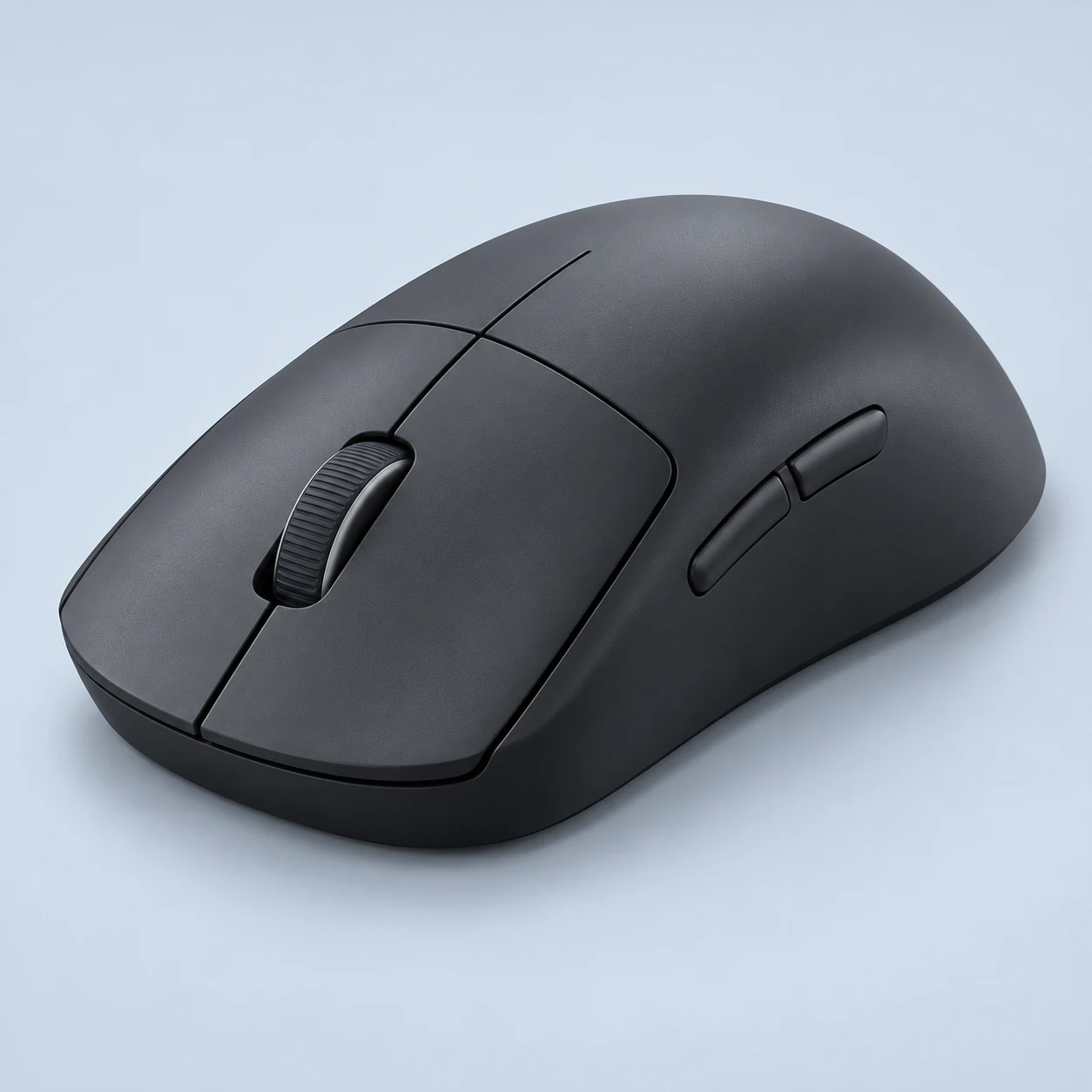
The PRO X SUPERLIGHT 2 concentrates on low-weight wireless control rather than a large command layout. Logitech documents a 60 g shell, HERO 2 sensor and LIGHTFORCE main switches, with current support information confirming 8,000 Hz wireless reporting and USB-C charging. Its broadly symmetrical shape makes it a starting point for players comparing grip preferences. Five buttons and receiver-only wireless connectivity keep the purpose clear: competitive aiming, with fewer conveniences for extensive macros or multi-device work.
Research-based reviewResearch-based coverage. Specifications, sourced assessments, and editorial views are kept distinct. No hands-on testing is claimed on this page. How we review ↗
EVIDENCE BEFORE VERDICTS
Logitech's PRO X SUPERLIGHT 2 is a rechargeable competitive mouse built around a restrained five-button layout. The manufacturer lists a 125 mm body and 60 g mouse weight. Those numbers place it in the low-weight wireless category, but the choice is still about whether its rounded, symmetrical shell gives you the contact points you prefer. RTINGS describes the shape as accommodating across several grips and hand sizes; that is useful comparison evidence, not a guarantee of individual comfort.
HERO 2 and LIGHTFORCE are the defining internal components. Current Logitech support documentation explicitly lists up to 44,000 DPI and 8,000 Hz reporting. Older specifications and reviews may describe an earlier firmware configuration. High report rates allow more frequent movement updates, but they do not establish a proportional improvement in accuracy, and game support and system load matter. Normal sensitivity settings remain a separate choice from the sensor's advertised maximum.
USB-C provides charging and a data connection, while LIGHTSPEED uses the supplied USB receiver. The stated 95-hour constant-motion battery figure is a manufacturer maximum without a clear highest-rate condition; do not assume that runtime at 8K. Bluetooth is absent. The limited controls also mean the SUPERLIGHT 2 is easier to shortlist for focused FPS input than for a mouse-led MMO action bar. Buyers choosing between otherwise capable sensors should give shape, charging routine and required controls more weight than the largest DPI headline.
Players moving between Valorant, CS2 and other aim-focused games can consider the SUPERLIGHT 2 when a rechargeable receiver connection and a restrained button layout suit their setup. The documented low shell weight is relevant to repeated repositioning, while the broad shape assessment from RTINGS makes it worth comparing before choosing a more specialized shell. It can also serve general gaming when most abilities stay on the keyboard. The decision to use 8K should follow stable frame delivery and compatibility checks on your own PC; there is no need to run the highest rate solely because it is available. Prioritize comfortable reach to the left-side controls and an acceptable charging routine over nominal DPI or esports branding.
A dedicated MMO user who wants a thumb grid should begin with the Naga V3 Pro or SCIMITAR RGB ELITE instead of trying to turn five buttons into a complete action bar. People who require Bluetooth for a second computer also need a different model. A strongly sloped right-handed shell may better suit someone who dislikes symmetrical contact points; the DeathAdder V3 Pro is an existing alternative to compare. If keeping a battery charged is itself inconvenient, the wired Pulsefire Haste 2 offers a different ownership tradeoff. None of these alternatives is universally better: each changes a particular constraint.
RTINGS reports a broadly accommodating shape rather than one narrow hand-size target. Logitech's documented 125 × 63.5 × 40 mm dimensions give a useful reference against a mouse you already know. They cannot determine finger reach or palm contact on their own. Small, medium and large hand scores remain unknown because a numerical fit assessment has not been established for PeriphPick.
The public RTINGS assessment supports considering several grip types with the SUPERLIGHT 2's rounded symmetrical shape. Palm support, claw contact and fingertip clearance still depend on individual hand dimensions and technique. Compare that rounded profile against the lower-feeling Viper V3 Pro and the sloped DeathAdder rather than converting a general ergonomic assessment into an exact grip rating.
The five-button arrangement is most straightforward for competitive FPS play with keyboard-led utility and weapon bindings. MOBA use is possible with the same division of controls. MMO suitability depends on how much of your action bar you expect to place on the mouse; a purpose-built twelve-button side panel serves a different requirement.
LIGHTSPEED requires a USB receiver; Bluetooth is not supported. The USB-C cable handles charging and data. Logitech advertises up to 95 hours of constant motion without a verified 8K-specific runtime here, so higher-rate battery planning should remain conservative. Use current G HUB and firmware when checking the supported report-rate options.
60 g manufacturer mouse weight. Current Logitech support confirms 44,000 DPI and 8,000 Hz; older table values describe earlier documentation. Speed >888 IPS and acceleration >88 G are lower bounds, so exact maxima remain unknown. The 95-hour constant-motion battery ceiling is not a verified 8K runtime.
| Brand | Logitech G |
|---|---|
| Model | PRO X SUPERLIGHT 2 |
| Series | PRO |
| Release date | Not verified |
| Weight | 60 g |
| Length | 125 mm |
| Width | 63.5 mm |
| Height | 40 mm |
| Sensor | HERO 2 |
| Maximum DPI | 44000 |
| IPS | Not verified |
| Acceleration | Not verified |
| Polling rate | 8000 Hz |
| Switch type | LIGHTFORCE hybrid optical-mechanical |
| Encoder | Not verified |
| Connection | Wired / Wireless receiver |
| Wired | Yes |
| Wireless | Yes |
| Bluetooth | No |
| Buttons | 5 |
| Battery life | 95 hours |
| Charging | USB-C |
| Handedness | Not verified |
| RGB | Not verified |
| MSRP | Not verified |
This page contains affiliate links. We may earn a commission if you make a purchase, at no additional cost to you.
As an Amazon Associate I earn from qualifying purchases.
Read our affiliate disclosure ↗Check Price
US · USD
 Illustration
Razer
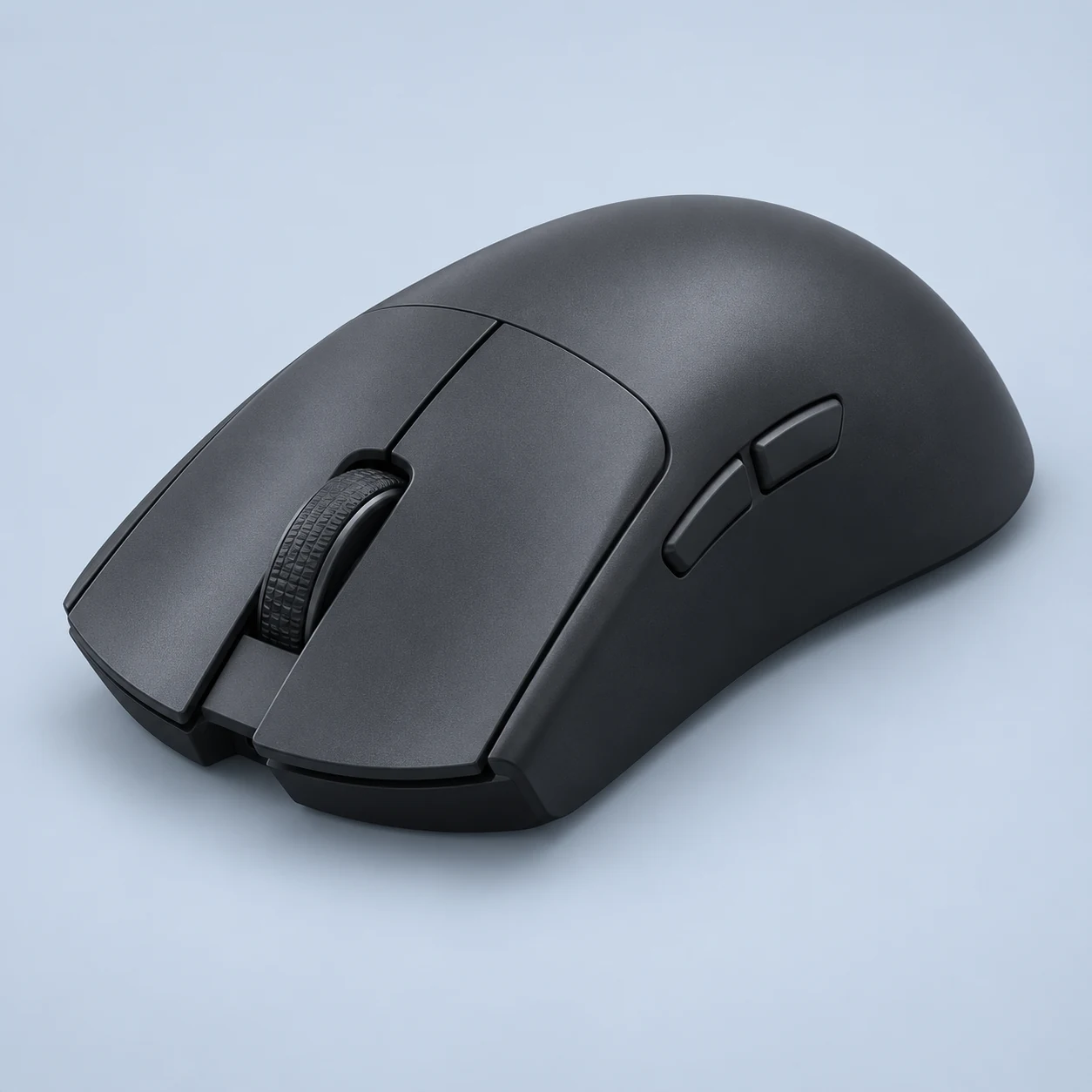
Razer's Viper V3 Pro is a receiver-based esports mouse centered on a light, symmetrical right-handed shell. The black edition weighs 54 g excluding cable and dongle, with a Focus Pro 35K Gen-2 sensor and third-generation optical main switches. Its included HyperPolling receiver enables up to 8,000 Hz wireless reporting. The design favors aiming and a small command layout; Bluetooth and lighting are absent, and the official battery figures change substantially with report rate.
Compare the Viper for its documented 54 g black shell and included 8K wireless receiver; decide between the shell profiles before choosing on weight alone.
 Illustration
Razer
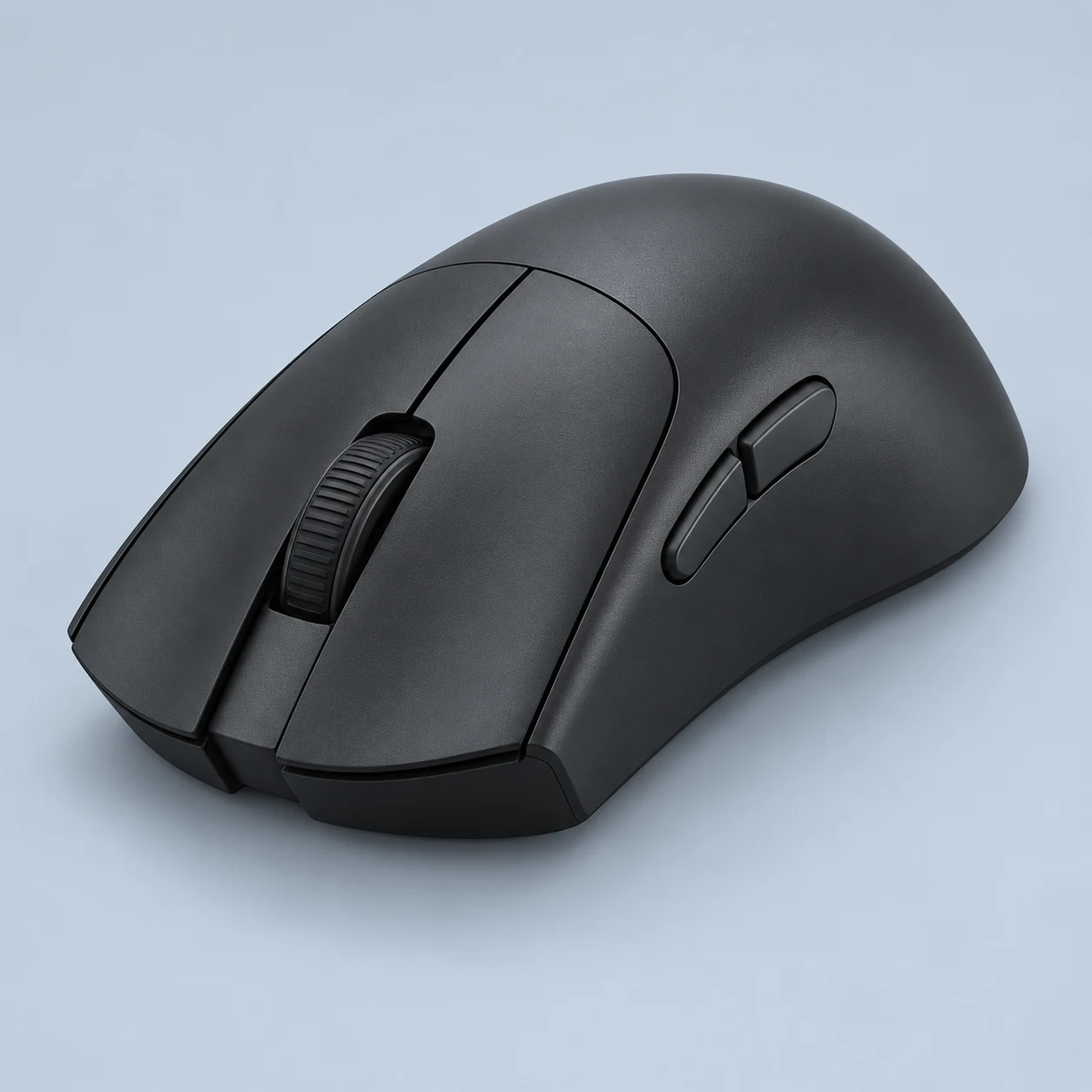
The DeathAdder V3 Pro combines a sloped right-handed shell with a lightweight rechargeable design for aim-focused gaming. This entry covers the original black Classic Base edition, specified at 63 g excluding its cable, with a Focus Pro 30K sensor and Gen-3 optical main switches. High-rate wireless reporting requires an optional HyperPolling receiver. Its relatively large shape and small button layout make it a different ergonomic choice from a symmetrical Viper or a multi-button Naga.
Consider the DeathAdder for a sloped right-handed shell rather than the SUPERLIGHT 2’s broadly symmetrical profile.
 Illustration
HyperX
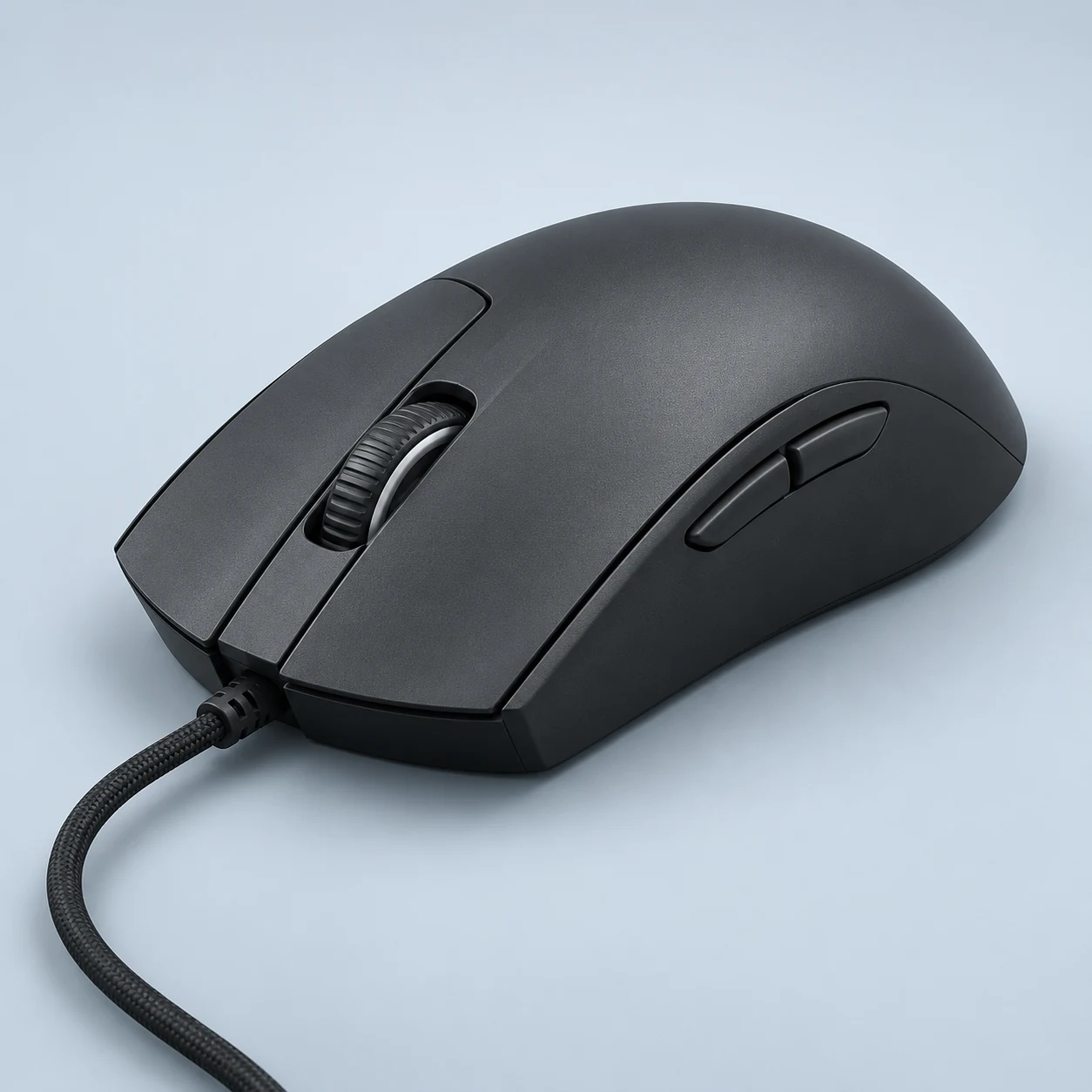
The wired Pulsefire Haste 2 keeps a solid symmetrical shell while prioritizing low mouse-only weight and high-rate USB input. This record uses black SKU 6N0A7AA, specified at 52 g without its cable and 75 g including it. The HyperX 26K sensor, six programmable buttons and up to 8,000 Hz polling serve aim-focused gaming without a charging schedule. Cable routing remains part of the purchase decision, and the similarly named wireless version must be evaluated as separate hardware.
Choose the wired Haste 2 when avoiding battery management matters more than removing the cable.
RTINGS.com · LAB_TEST · Accessed 10/3/2026
Source checked: 10/3/2026 · Verified
Public independent shape/grip and connectivity commentary supports the qualitative analysis. Measurements and scores behind the membership gate were not used; no imagery was copied.
Logitech G · OFFICIAL · Accessed 10/3/2026
Source checked: 10/3/2026 · Verified
60 g manufacturer mouse weight. Current Logitech support confirms 44,000 DPI and 8,000 Hz; older table values describe earlier documentation. Speed >888 IPS and acceleration >88 G are lower bounds, so exact maxima remain unknown. The 95-hour constant-motion battery ceiling is not a verified 8K runtime.
Logitech · OFFICIAL · Accessed 10/3/2026
Source checked: 10/3/2026 · Verified
60 g manufacturer mouse weight. Current Logitech support confirms 44,000 DPI and 8,000 Hz; older table values describe earlier documentation. Speed >888 IPS and acceleration >88 G are lower bounds, so exact maxima remain unknown. The 95-hour constant-motion battery ceiling is not a verified 8K runtime.
Yes. Current Logitech support documentation lists a maximum 8,000 Hz report rate. Earlier launch-era specifications may show lower rates, so check current firmware and G HUB options.
No. Wireless operation uses the LIGHTSPEED USB receiver; a Bluetooth-only connection is not provided.
Logitech lists five buttons. That is a much smaller command layout than a dedicated MMO side grid.
A rate-specific 8K runtime is not established by the cited 95-hour constant-motion claim. Treat it as a manufacturer maximum, not a guarantee at the highest setting.