Amazon
Check Price
US · USD
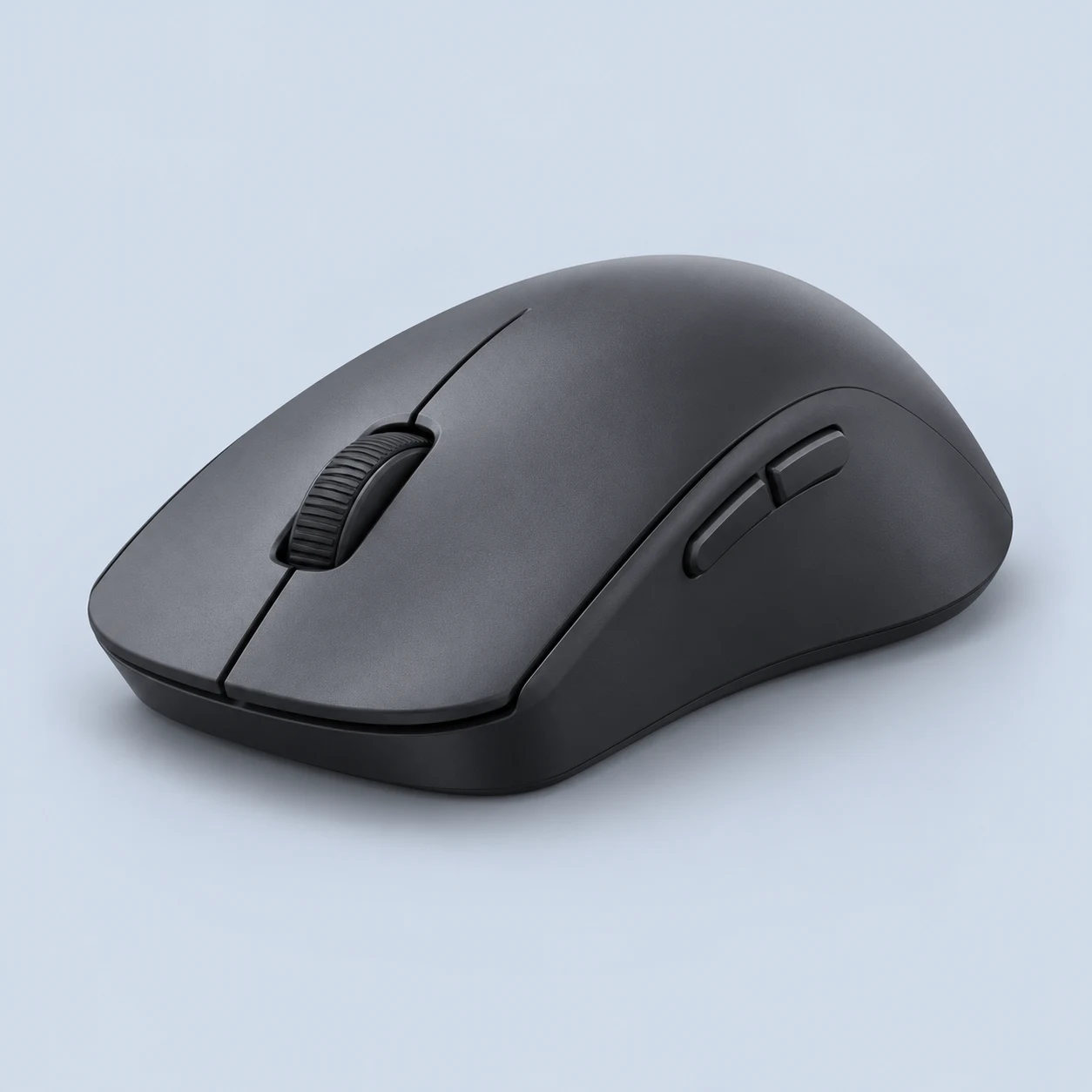 Illustration
Illustrative image for visual reference. Actual product appearance may vary.
Rival 3 Wireless Gen 2 uses replaceable AAA power with receiver and Bluetooth connections. SteelSeries documents up to 450 hours in Bluetooth, while gaming-receiver runtime has different conditions and claims. Its 95 g one-cell and 106 g two-cell figures make battery choice part of the mass decision. RTINGS describes a substantial shell and medium-hand claw or fingertip suitability. Confirmed 1K reporting and six controls support general gaming, while precise receiver-runtime reconciliation remains under editorial review.
Research-based reviewResearch-based coverage. Specifications, sourced assessments, and editorial views are kept distinct. No hands-on testing is claimed on this page. How we review ↗
EVIDENCE BEFORE VERDICTS
Wireless Gen 2 is distinct from both the wired Rival 3 Gen 2 and the original wireless release. Its documented 120.61 by 67.05 by 38 mm body uses replaceable AAA cells rather than an internal rechargeable pack. The existing official weight record distinguishes 83.5 g bare, 95 g with one cell and 106 g with two. Battery loading therefore changes actual operating mass, and the bare figure should not represent a ready-to-play configuration.
Receiver and Bluetooth modes serve different desk roles. The current official page claims 175 hours on the receiver and up to 450 in Bluetooth, while earlier receiver claims use a wider condition-dependent range. That discrepancy is retained rather than presenting every figure as interchangeable. RTINGS' exact Gen 2 analysis confirms a 1K ceiling in its public introduction. Bluetooth offers convenient device connectivity, but is not treated as the same gaming configuration.
The independent review describes a substantial shell with thicker walls and useful medium-hand claw or fingertip contact. Six controls and a basic wheel keep bindings restrained; tilt and free scrolling are absent. A small status-light zone should not be confused with extensive lighting customization. Replaceable cells can avoid an integrated charging routine, at the cost of greater mass than lightweight rechargeable competitors. Buyers should compare grip contact, their preferred battery arrangement and actual local price. No original-generation runtime or unrelated AA-powered product claim is silently substituted into this entry.
A general-gaming user who wants receiver input at a desktop and Bluetooth at another device has a practical reason to consider Gen 2. Replaceable AAA cells may also suit someone who prefers swapping power rather than charging an internal pack. Medium-hand claw or fingertip users can compare the specific independent shape analysis with familiar hardware. Choosing one cell reduces documented operating mass relative to two cells, while changing available energy, so that decision belongs in the setup discussion. Six controls fit keyboard-led games and routine navigation. The 450-hour figure should be considered only as the stated Bluetooth condition; local price and receiver-runtime uncertainty remain relevant before purchase.
A competitive player prioritizing low ready-to-play mass should examine a lighter rechargeable model. Someone wanting a single precisely reconciled receiver-runtime claim should wait for clearer conditions instead of treating Bluetooth endurance as gaming endurance. A palm user should compare the low-profile contact against familiar support rather than accept a universal fit statement. Many-button MMO layouts and productivity wheels require different controls. Finally, a buyer avoiding disposable or separately rechargeable cells may prefer a USB-C internal battery, since the replaceable AAA design changes maintenance even though it eliminates an integrated charging schedule.
RTINGS highlights medium-hand claw/fingertip use on the substantial symmetrical body. No automatic size rating is derived.
Claw and fingertip are the best-supported review directions. Palm contact depends on the user and the low shell profile.
General keyboard-led gaming fits six controls and receiver input. Bluetooth endurance is not a competitive gaming performance result.
2.4 GHz receiver and Bluetooth use replaceable AAA power. 450 hours is the official Bluetooth claim; current 175-hour receiver language differs from earlier condition-dependent claims.
95 g with one AAA,106 g with two,83.5 g bare. Bluetooth 450 h is distinct from receiver 175 h current page and earlier condition-dependent range.
| Brand | SteelSeries |
|---|---|
| Model | Rival 3 Wireless Gen 2 |
| Series | Rival |
| Release date | 2025-05-20 |
| Weight | 95 g |
| Length | 120.61 mm |
| Width | 67.05 mm |
| Height | 38 mm |
| Sensor | TrueMove Air |
| Maximum DPI | 18000 |
| IPS | 400 |
| Acceleration | 40 G |
| Polling rate | 1000 Hz |
| Switch type | Mechanical switches |
| Encoder | Not verified |
| Connection | Wireless receiver / Bluetooth |
| Wired | No |
| Wireless | Yes |
| Bluetooth | Yes |
| Buttons | 6 |
| Battery life | 450 hours |
| Charging | Replaceable AAA batteries |
| Handedness | right |
| RGB | Not verified |
| MSRP | USD 59.99 |
This page contains affiliate links. We may earn a commission if you make a purchase, at no additional cost to you.
As an Amazon Associate I earn from qualifying purchases.
Read our affiliate disclosure ↗Check Price
US · USD
 Illustration
Logitech G
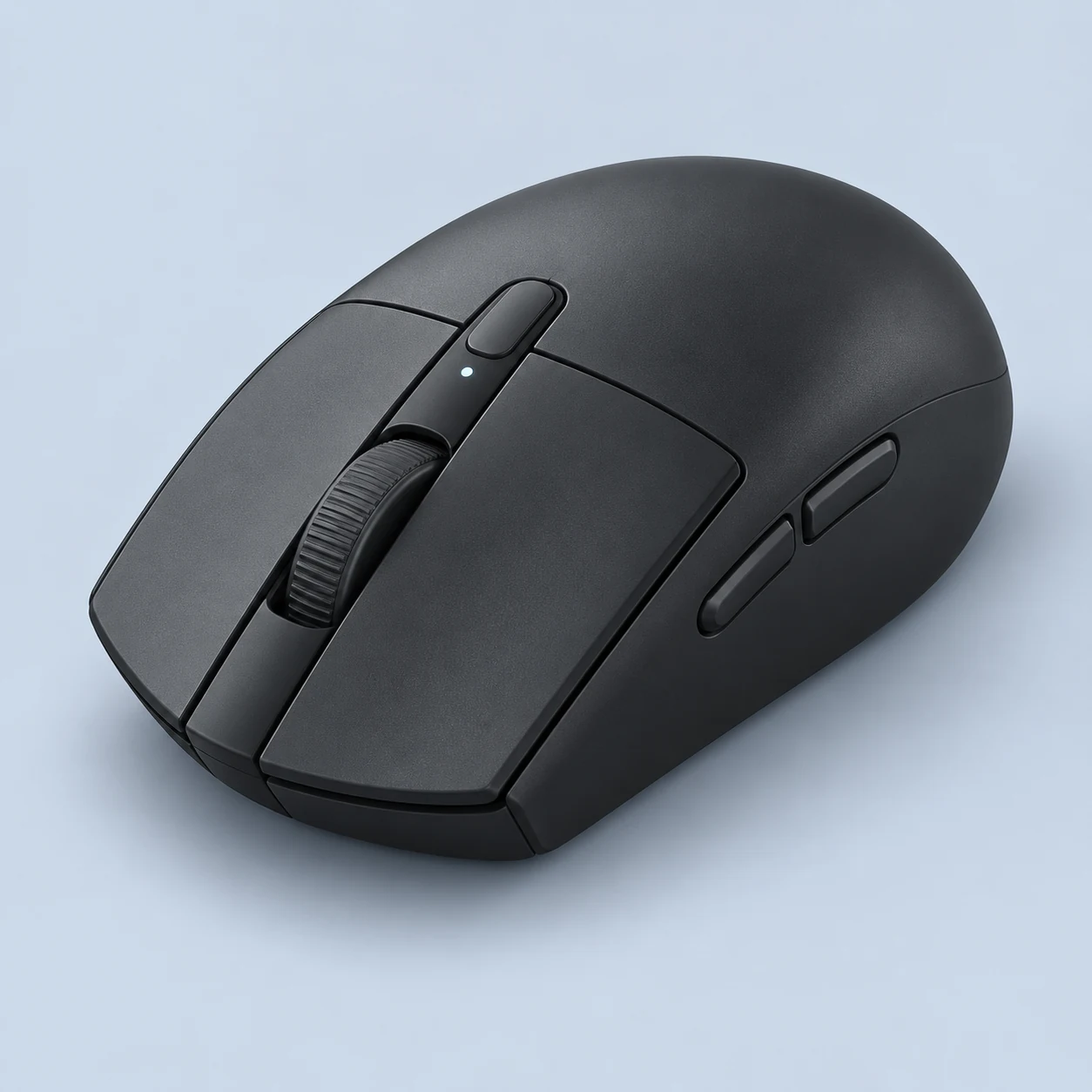
The G305 LIGHTSPEED uses a single replaceable AA battery and a USB receiver, making its power routine different from rechargeable esports mice. Logitech specifies a HERO sensor, six buttons and a 1 ms report interval, with a playable weight of 99 g including the battery. Its compact egg-shaped body suits buyers comparing a smaller shell and straightforward wireless controls. It lacks Bluetooth and onboard charging, so the low-maintenance appeal depends on accepting replaceable power and receiver-based connectivity.
Another replaceable-cell gaming platform uses AA power and receiver-only connectivity.
 Illustration
HyperX
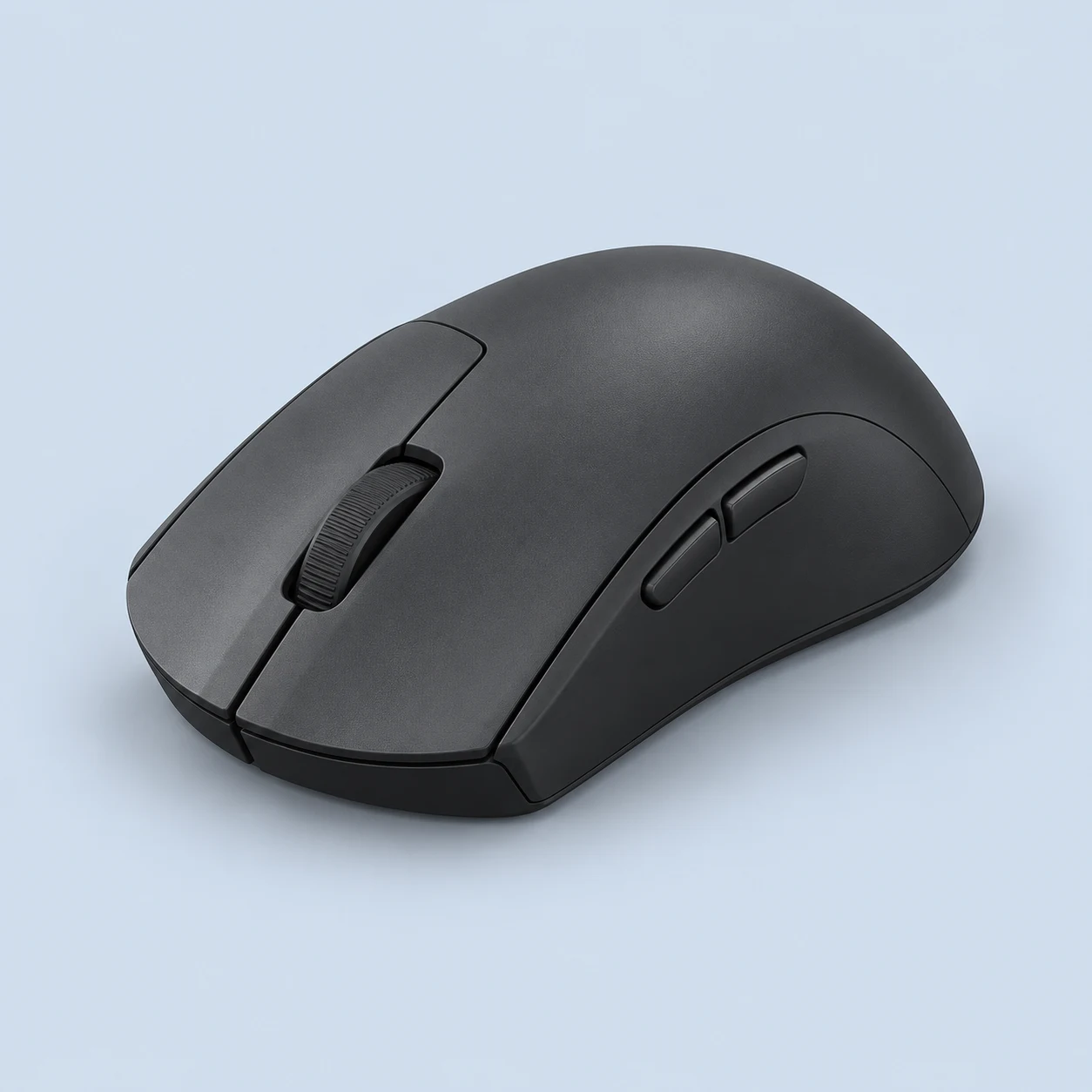
The Pulsefire Haste 2 Wireless adds receiver and Bluetooth modes to a solid symmetrical shell, making it a more flexible everyday connection choice than many esports-focused mice. HyperX documents a 26K sensor, six buttons and 1,000 Hz reporting, with a 100-hour battery claim tied to lighting-off receiver operation. Its exact colour-dependent weight remains unconfirmed in this record. RTINGS' public review also raises click-latency tradeoffs against competing wireless models, so the connection convenience should not be mistaken for a universal competitive-performance advantage.
An integrated rechargeable tri-mode model changes both power handling and operating mass.
 Illustration
SteelSeries
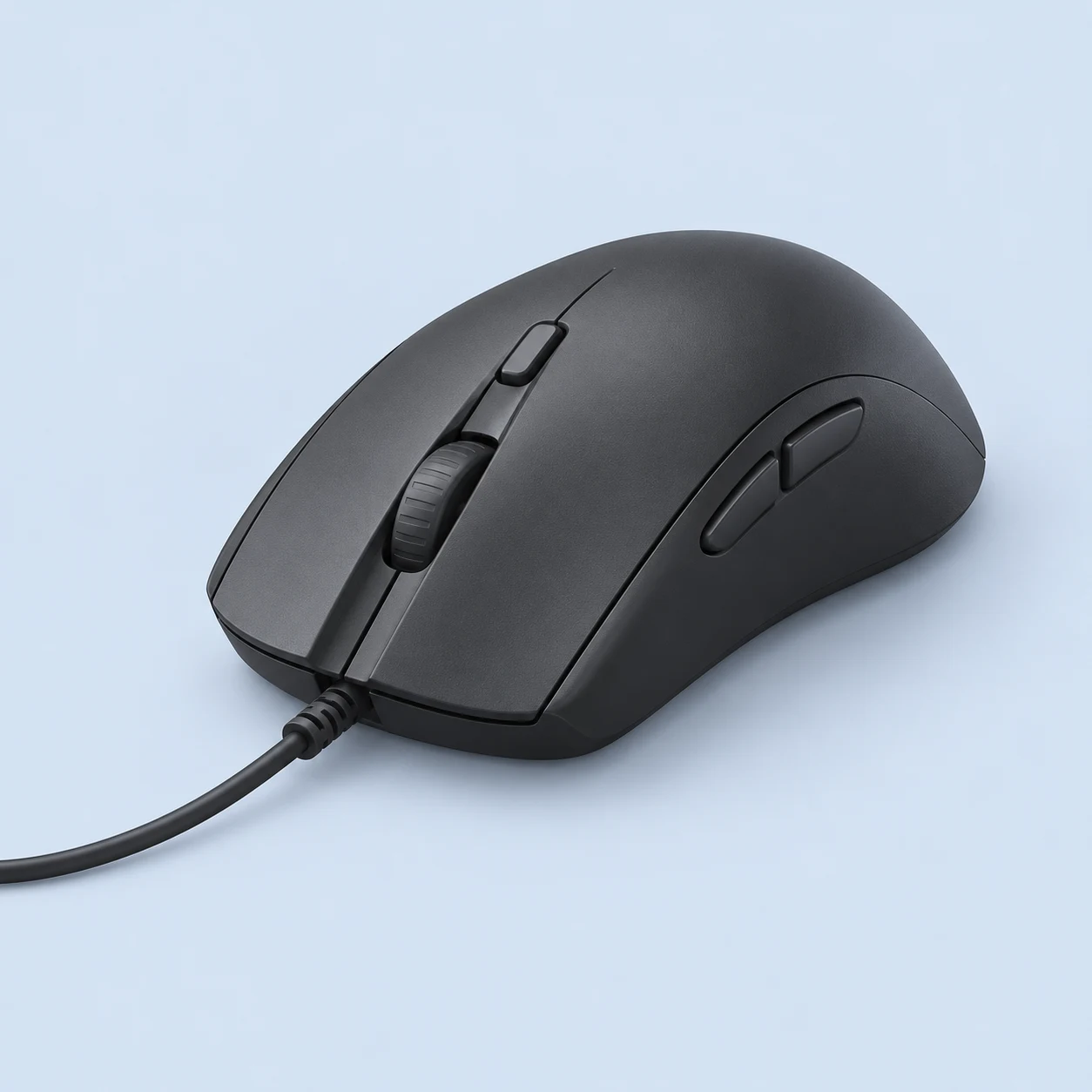
The wired Rival 3 Gen 2 is a moderate-weight, RGB-equipped gaming mouse with an improved paracord-style cable and PTFE feet. SteelSeries identifies a 77 g symmetrical body, TrueMove Core 8.5K sensor and mechanical main switches. RTINGS' public review supports a claw or fingertip direction, particularly for medium hands, and confirms 1,000 Hz reporting. This is the wired model: the Wireless Gen 2 has a different power arrangement and must not supply missing measurements for this page.
Choose the wired relative when replaceable power and wireless freedom are unnecessary.
RTINGS.com · LAB_TEST · Accessed 10/3/2026
Source checked: 10/3/2026 · Verified
Actual exact Gen 2 public review read for 1K maximum, AAA power, substantial shell and grip/wheel tradeoffs. Updated date not invented as publication date.
SteelSeries · OFFICIAL · Accessed 10/3/2026
Source checked: 10/3/2026 · Verified
Exact wireless selection accessed; 175-hour receiver and 450-hour Bluetooth claims distinguished.
SteelSeries · OFFICIAL · Accessed 10/3/2026
Source checked: 10/3/2026 · Verified
Launch MSRP US $59.99; battery-dependent weight 95–106 g; current battery configuration requires review.
No. That official claim applies to Bluetooth.
Yes. The verified manufacturer record distinguishes one-cell and two-cell operation and weight.
The exact Gen 2 RTINGS public analysis identifies a 1K ceiling.