BRAND PROFILE

Razer

Browse the gaming mice currently included in our database.

Plan a Black Friday mouse purchase from Razer

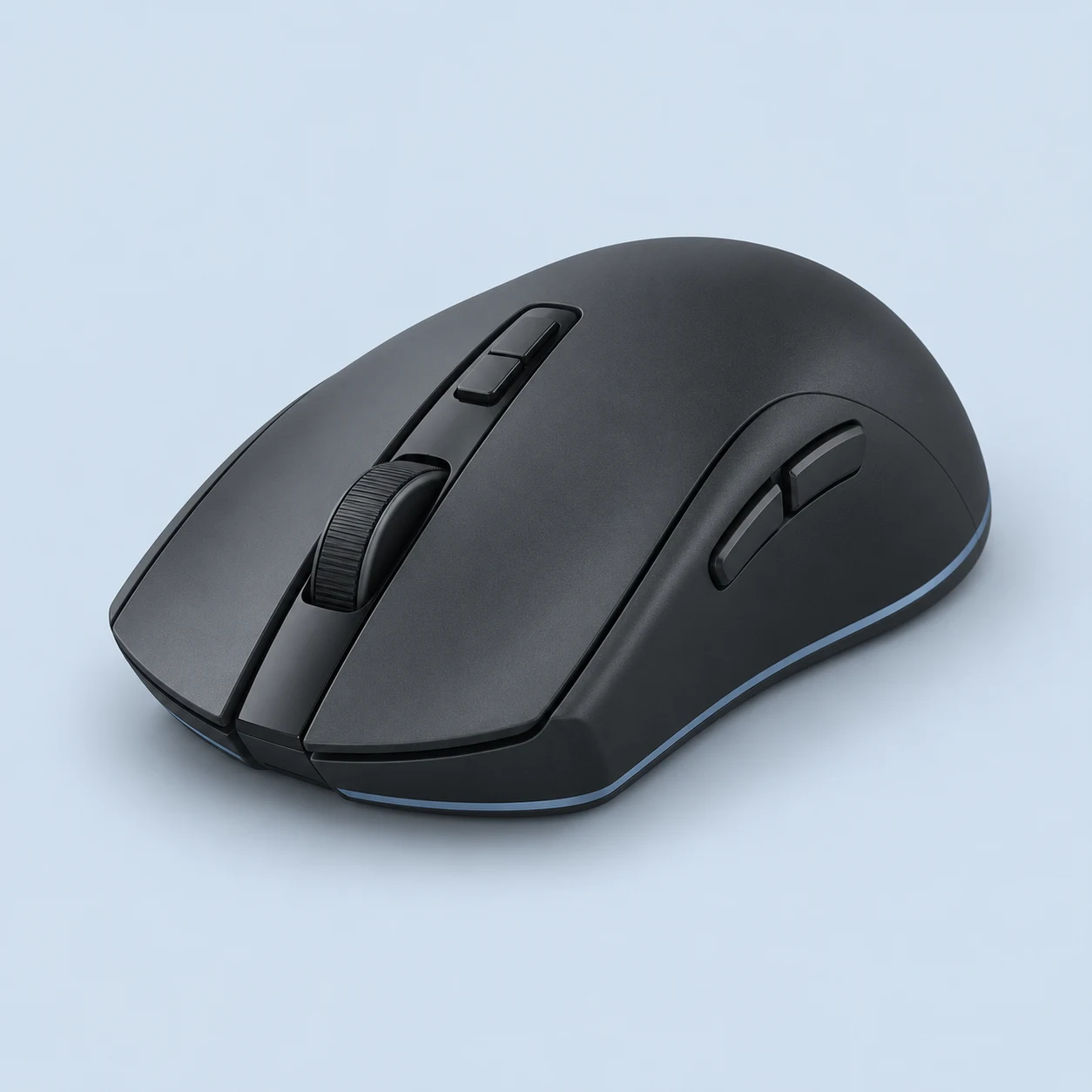
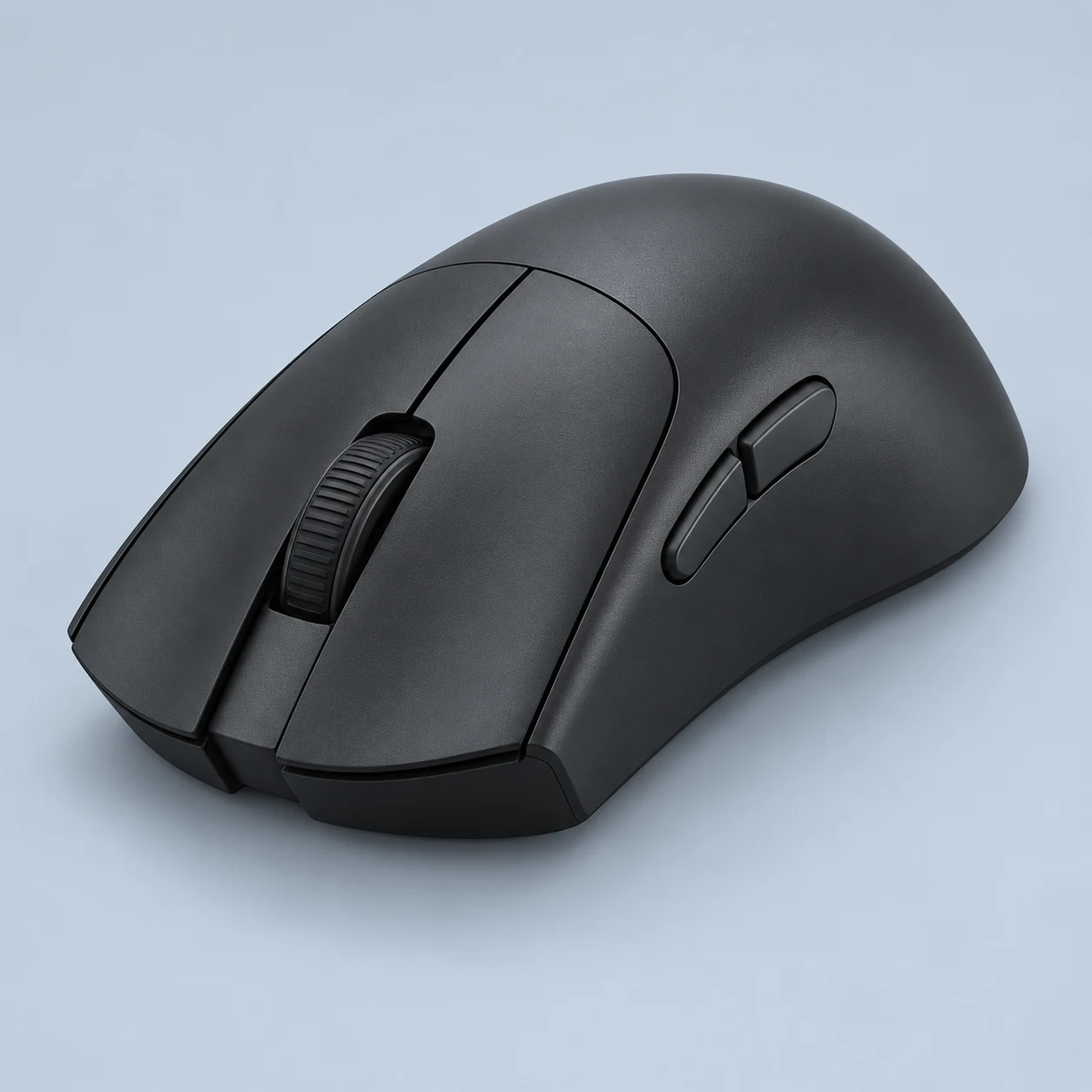
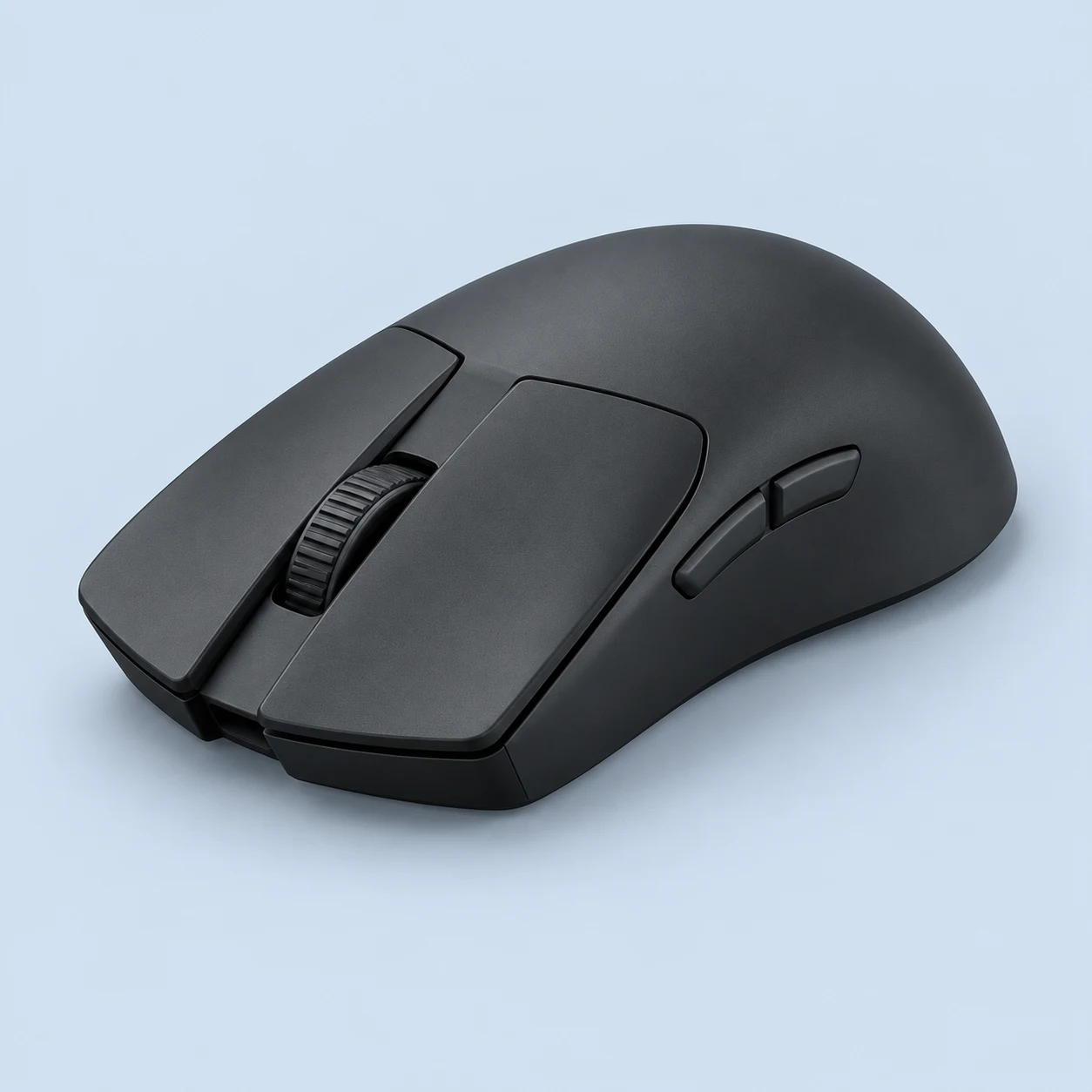
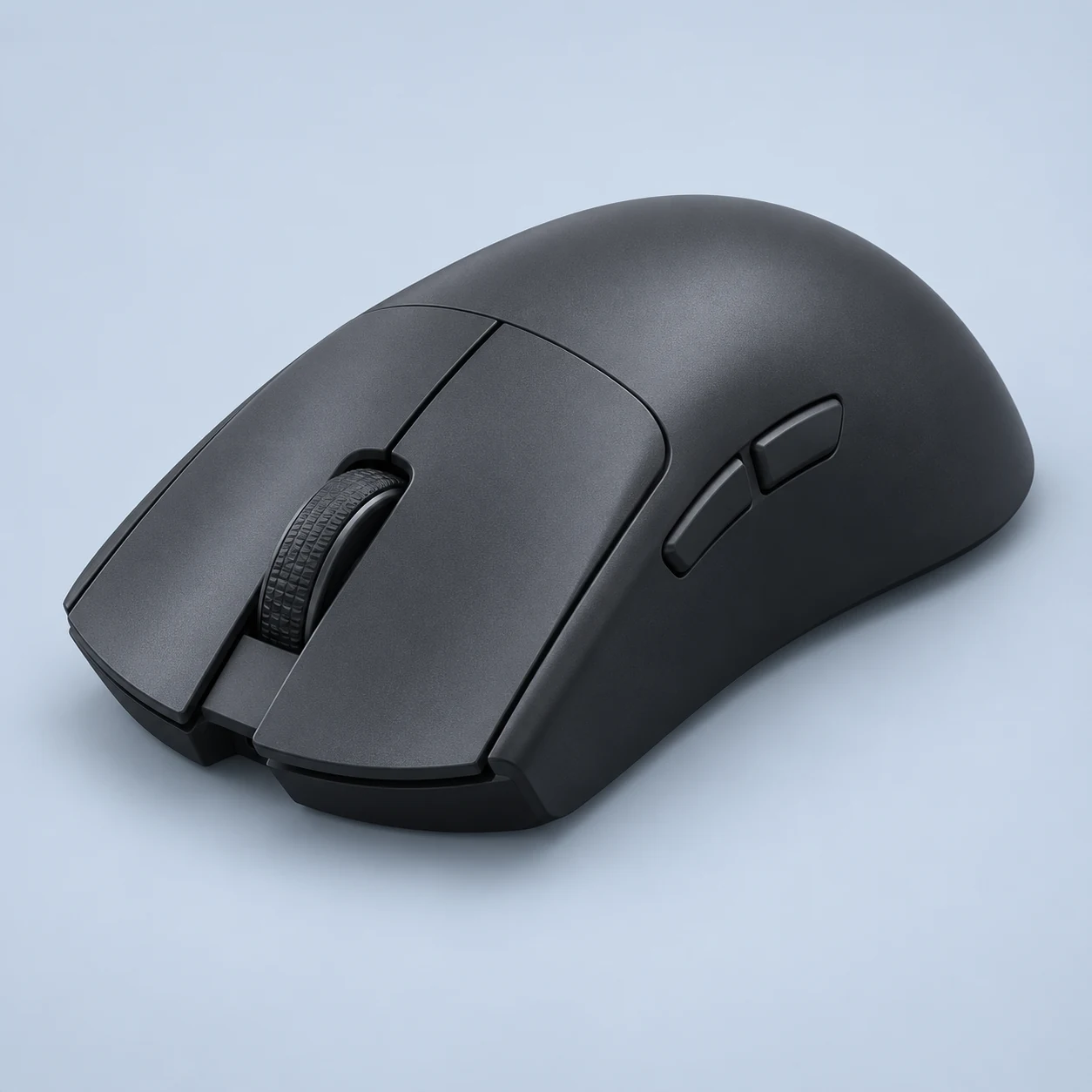
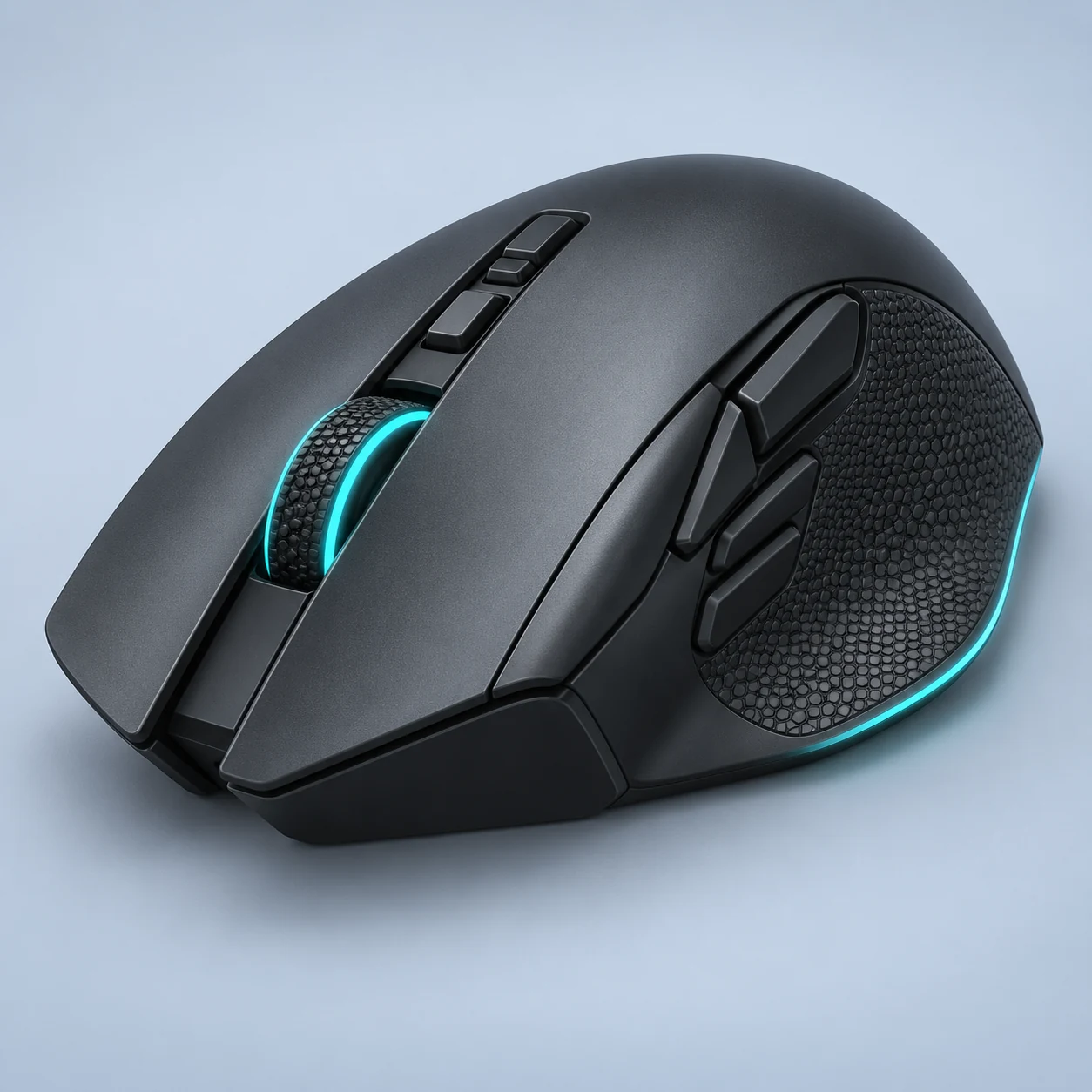
AI illustration of Razer Basilisk V3 Pro; visual reference, not an official product photoIllustration

Razer

Basilisk V3 Pro

This entry covers the original 30K Basilisk V3 Pro, a right-handed rechargeable mouse combining a thumb rest, configurable scrolling and three connection modes. It is distinct from the later 35K update. Razer documents a 112 g cable-excluded body and Focus Pro 30K sensor; the advertised 8K maximum needs a separately sold compatible accessory. Its standard receiver configuration and lighting-dependent ownership tradeoffs deserve attention before a sensor comparison. The command-oriented design suits mixed gaming and navigation more naturally than a low-weight-only FPS shortlist.

112 g8000 Hz
PublishedCompare ↗
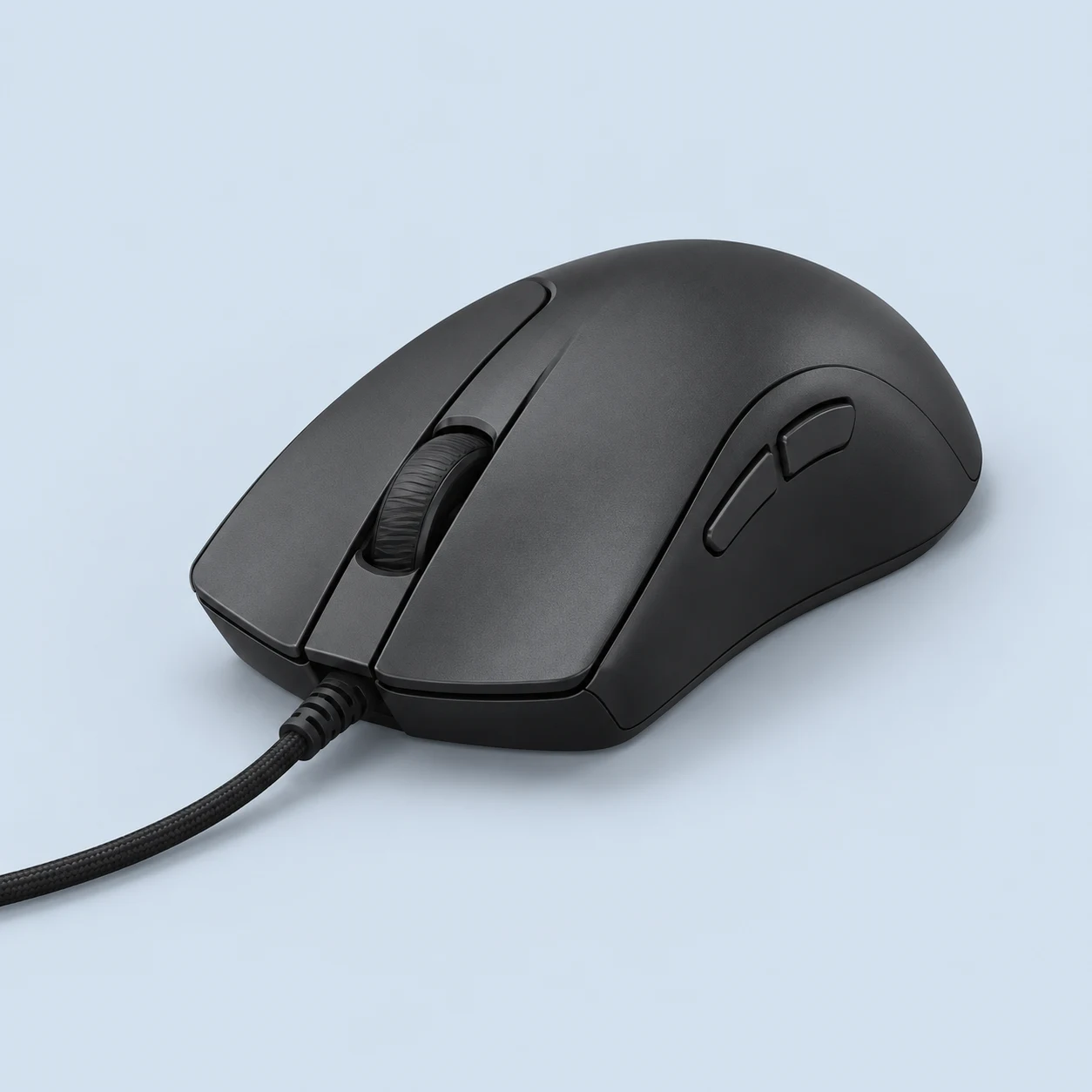
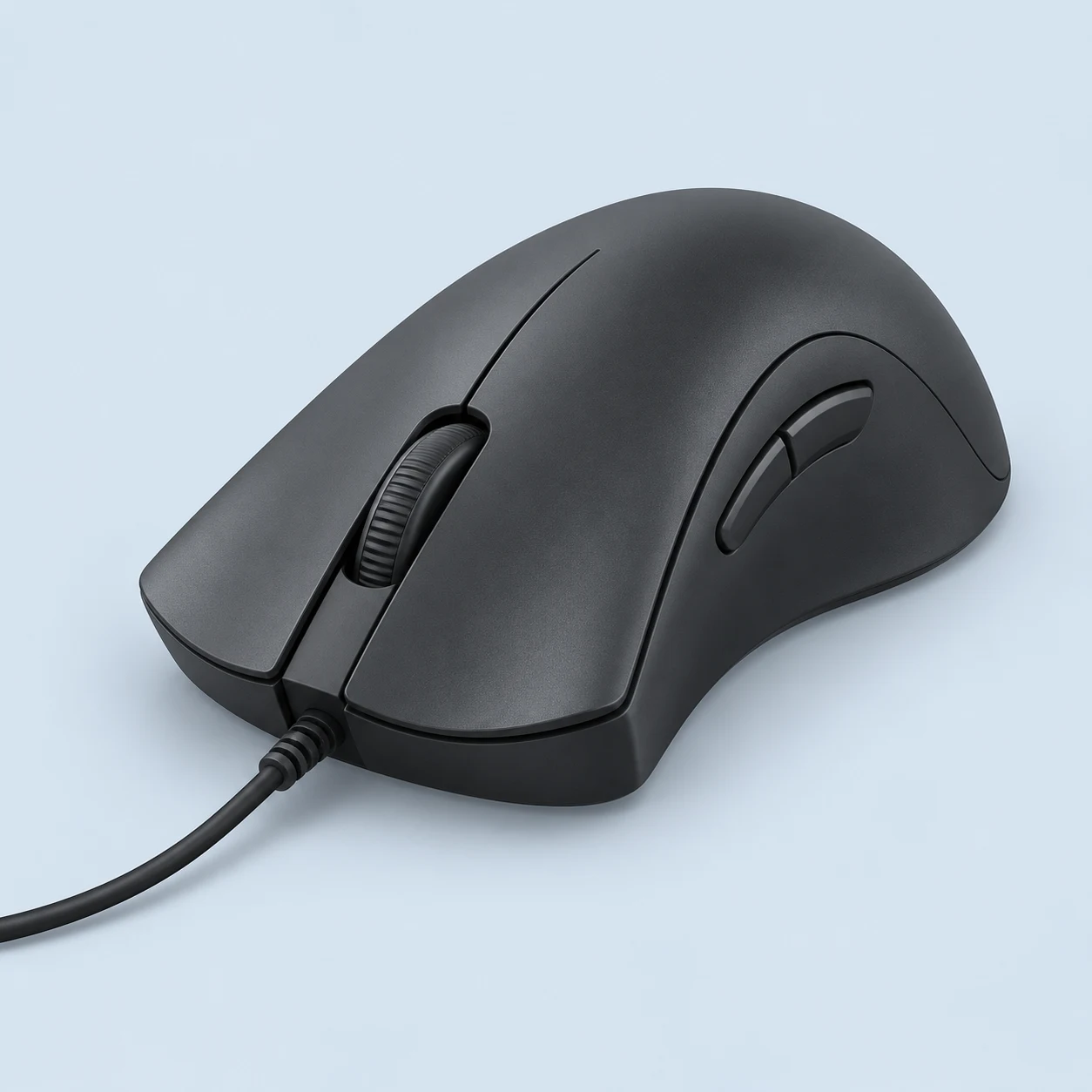
AI illustration of Razer Cobra; visual reference, not an official product photoIllustration

Razer

Cobra

The wired Cobra combines a compact symmetrical shell, Gen-3 optical main controls and RGB underglow in a 58 g cable-excluded design. Razer documents an 8,500 DPI optical sensor and a Speedflex cable rather than the wireless features of Cobra Pro. RTINGS places the low-profile shape toward smaller and medium hands and notes minor shell flex as a tradeoff. Six controls keep gaming bindings simple. Its appeal rests on size, cable and switch preferences, not a claim that decorative lighting improves performance.

58 g1000 Hz
PublishedCompare ↗
AI illustration of Razer Cobra Pro; visual reference, not an official product photoIllustration

Razer

Cobra Pro

Cobra Pro combines a compact symmetrical shell with RGB, rechargeable tri-mode connection and optional charging accessories. Razer documents 77 g excluding cable and dongle, Focus Pro 30K and third-generation optical main switches. Bluetooth makes it more versatile across devices than many stripped-down FPS mice, although its weight is higher than several aiming-focused alternatives of similar size. The supplied receiver is 1K; optional hardware unlocks the higher maximum. Its 170-hour headline is specifically a Bluetooth claim, not receiver runtime at 8K.

77 g8000 Hz
PublishedCompare ↗
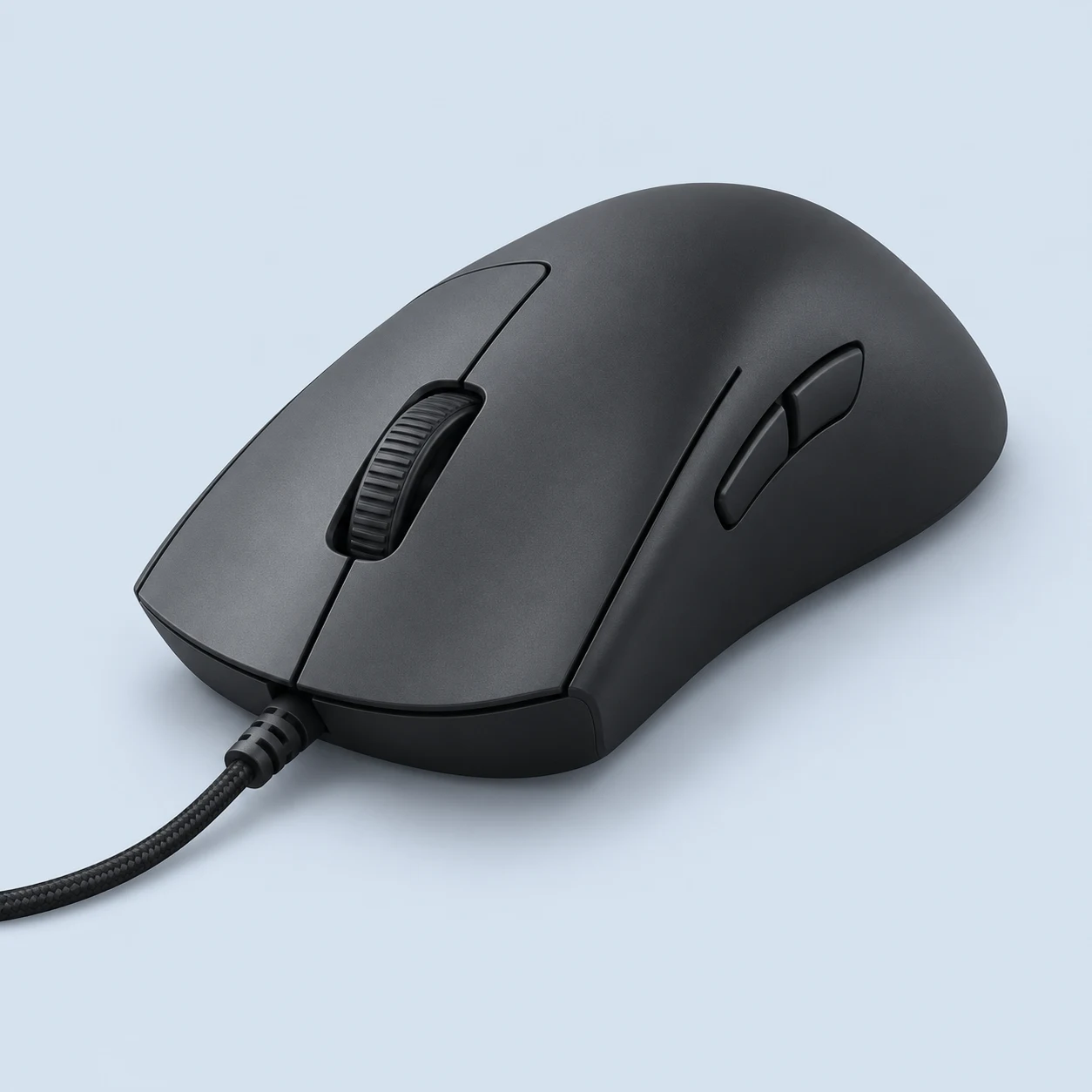
AI illustration of Razer DeathAdder Essential; visual reference, not an official product photoIllustration

Razer

DeathAdder Essential

DeathAdder Essential is a full-size right-handed wired mouse with a 6,400 DPI optical specification and five controls. Its 96 g cable-excluded claim and tall sloped shell distinguish it from newer lightweight DeathAdder models. RTINGS describes useful ergonomic support while warning that smaller hands can struggle with claw or fingertip reach. The reviewed lighting is single-colour rather than programmable RGB. This entry favors a simple desktop control arrangement; polling and unconfirmed internal components stay empty instead of inheriting a later generation's specifications.

96 gPolling —
PublishedCompare ↗
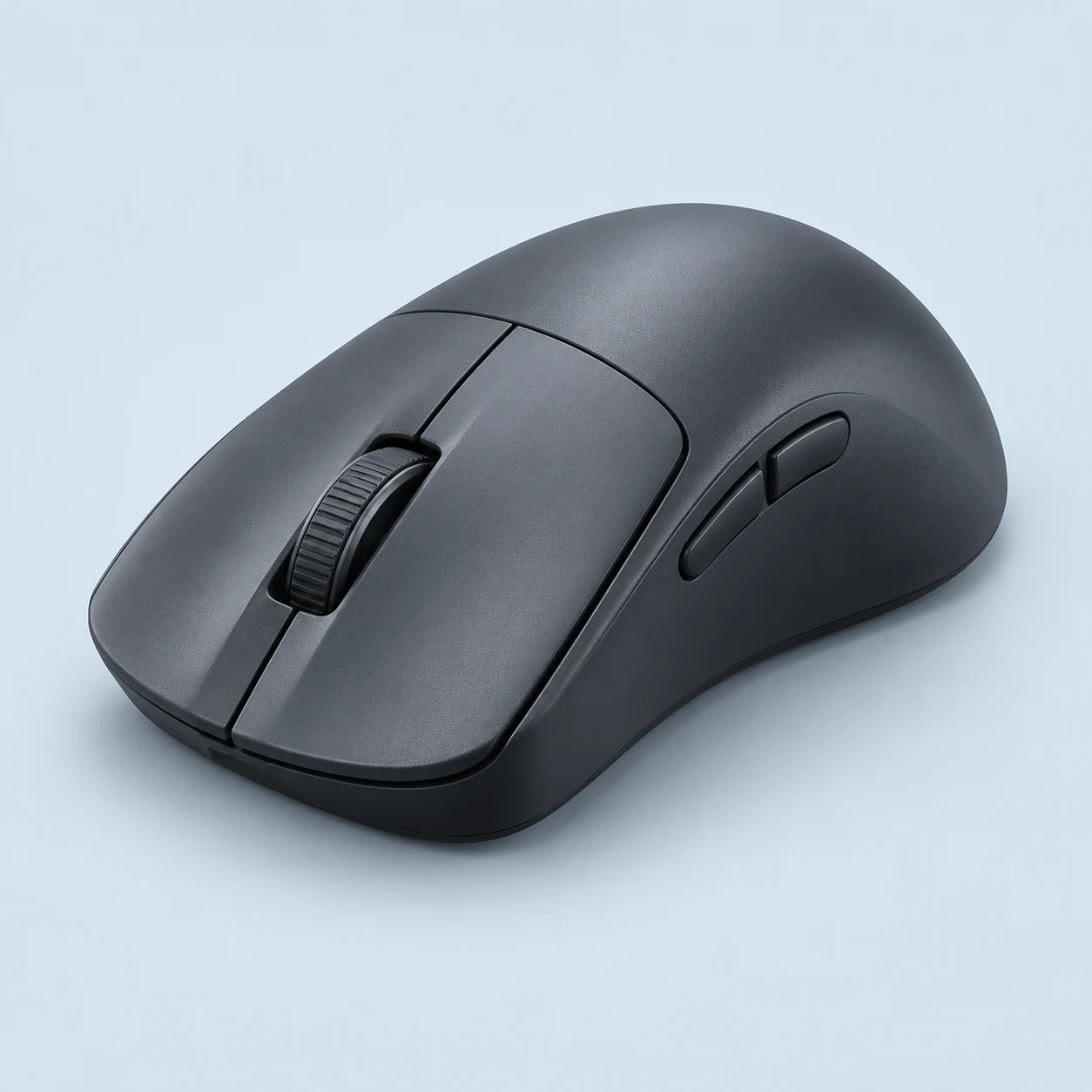
AI illustration of Razer DeathAdder V3; visual reference, not an official product photoIllustration

Razer

DeathAdder V3

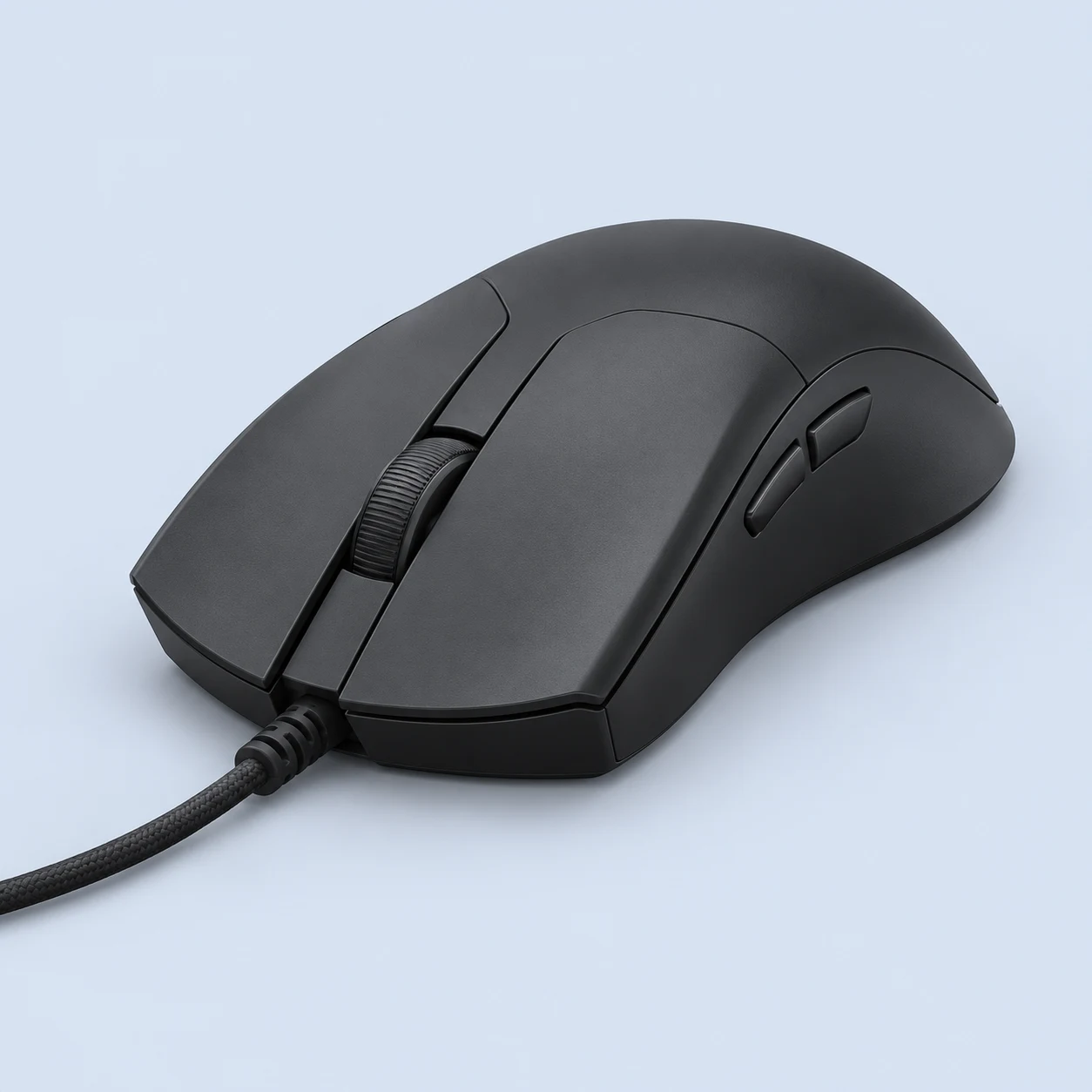
The wired DeathAdder V3 brings Razer's sloped right-handed shell into a 59 g cable-excluded competitive design. It uses a Focus Pro 30K sensor, third-generation optical main switches and configurable USB reporting up to 8K, with no receiver purchase or rechargeable upkeep. It is distinct from both the Pro and HyperSpeed models. The documented 128 mm body makes full-shell contact worth comparing, especially for smaller hands; buyers should choose it for the ergonomic profile and wired setup rather than assuming every DeathAdder shares this hardware.

59 g8000 Hz
PublishedCompare ↗
AI illustration of Razer DeathAdder V3 HyperSpeed; visual reference, not an official product photoIllustration

Razer

DeathAdder V3 HyperSpeed

DeathAdder V3 HyperSpeed is a smaller rechargeable ergonomic mouse than the V3 Pro, built around a 55 g advertised body and Focus X 26K sensor. Its standard receiver reports at 1K, with an optional dongle required for the 8K maximum. It has no Bluetooth or RGB. The compact right-handed shell is the main reason to compare it with other DeathAdders, while RTINGS cautions that its flared front edge can create a ring-finger pressure point for larger hands.

55 g8000 Hz
PublishedCompare ↗
AI illustration of Razer DeathAdder V3 Pro; visual reference, not an official product photoIllustration

Razer

DeathAdder V3 Pro

The DeathAdder V3 Pro combines a sloped right-handed shell with a lightweight rechargeable design for aim-focused gaming. This entry covers the original black Classic Base edition, specified at 63 g excluding its cable, with a Focus Pro 30K sensor and Gen-3 optical main switches. High-rate wireless reporting requires an optional HyperPolling receiver. Its relatively large shape and small button layout make it a different ergonomic choice from a symmetrical Viper or a multi-button Naga.

63 g8000 Hz
PublishedCompare ↗
AI illustration of Razer Naga V2 HyperSpeed; visual reference, not an official product photoIllustration

Razer

Naga V2 HyperSpeed

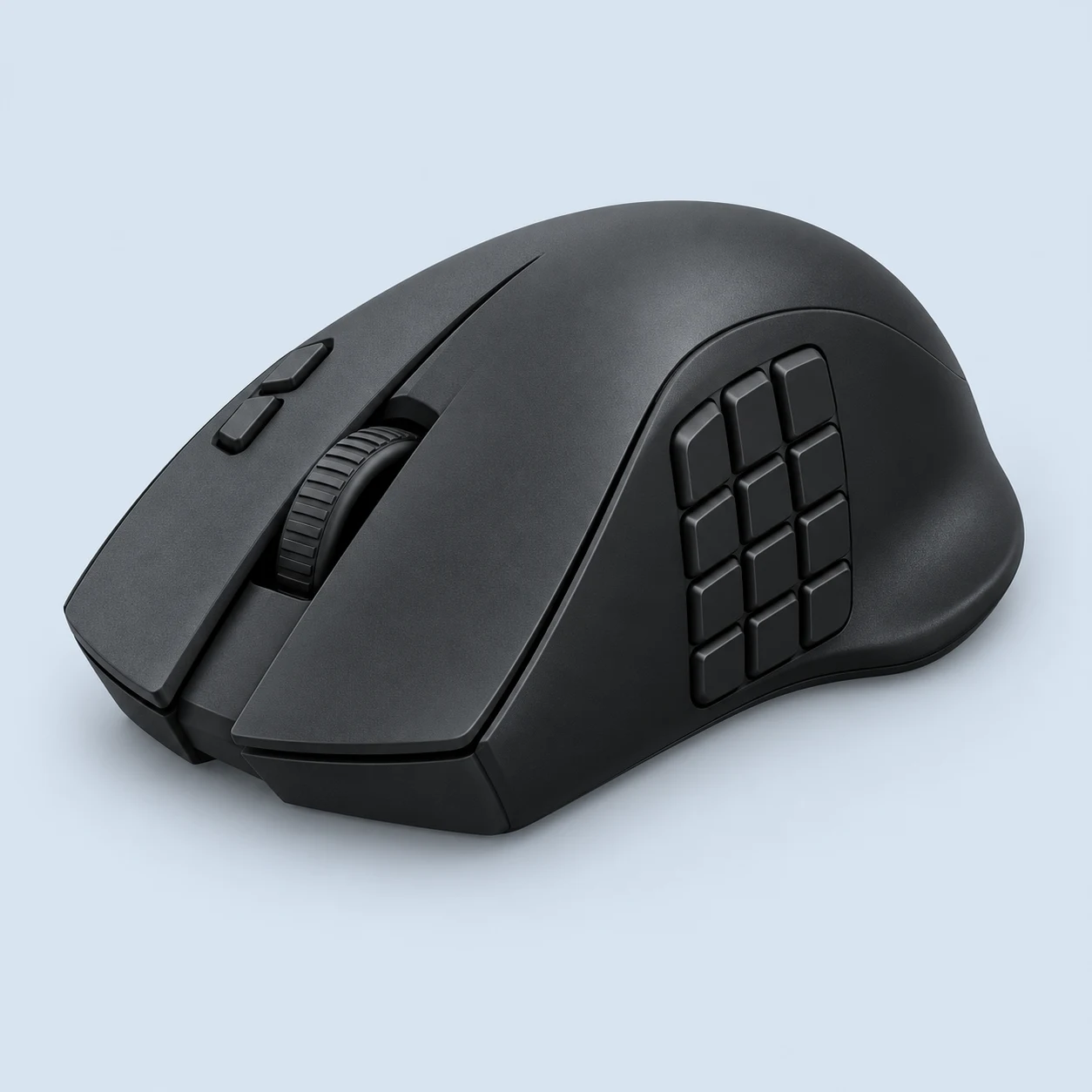
Naga V2 HyperSpeed is a wireless command-focused mouse with a fixed twelve-button thumb grid, mechanical main switches and replaceable AA power. Razer's guide distinguishes 250-hour receiver and 400-hour Bluetooth estimates with alkaline power. RTINGS confirms tilt and free-scrolling wheel functions, making the layout useful beyond action bars. It is a substantial alternative to a minimal FPS mouse. Conflicting official size and weight captures remain unresolved; this entry does not borrow the modular Naga Pro's dimensions or rechargeable features.

Weight —1000 Hz
PublishedCompare ↗
AI illustration of Razer Naga V3 Pro; visual reference, not an official product photoIllustration

Razer

Naga V3 Pro

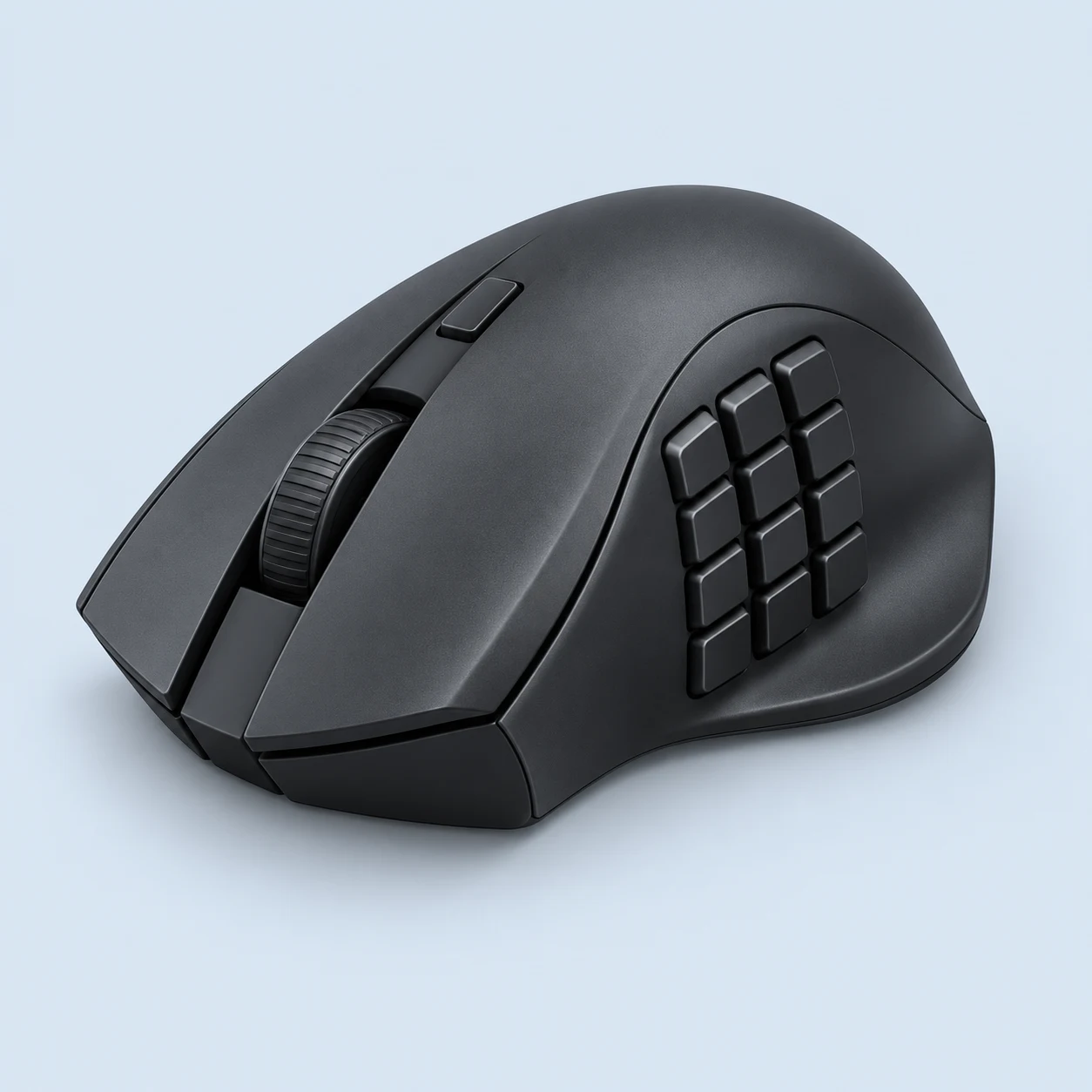
The Naga V3 Pro is a rechargeable MMO mouse built around interchangeable two-, six- and twelve-button side plates. Its right-handed finger rest, lockable ring-finger input and configurable scrolling offer more command access than a compact aiming mouse. Razer advertises up to 23 programmable controls and an optional 8K upgrade, while the supplied receiver configuration is 1K. Official battery claims remain inconsistent, so no single runtime is published here. Independent reviews also identify substantial weight and width as tradeoffs, especially for smaller hands.

117 g8000 Hz
PublishedCompare ↗
AI illustration of Razer Viper 8KHz; visual reference, not an official product photoIllustration

Razer

Viper 8KHz

The Viper 8KHz is a wired competitive mouse distinguished by high-rate reporting and actual side buttons on both sides. Razer documents a 71 g cable-excluded body, Focus+ 20K sensor and second-generation optical main switches. That ambidextrous control arrangement differs from newer symmetrical-looking Vipers with left-side controls only. The retained launch specification supplies dimensions where the current page has inconsistent labels. RTINGS reports a low profile that can challenge a large-hand palm grip and a cable less flexible than some alternatives.

71 g8000 Hz
PublishedCompare ↗
AI illustration of Razer Viper V2 Pro; visual reference, not an official product photoIllustration

Razer

Viper V2 Pro

Viper V2 Pro is a rechargeable low-profile FPS mouse that removes RGB and right-side controls in favour of a lighter, five-button design. Razer identifies a 58 g black body excluding cable and dongle, Focus Pro 30K sensor and third-generation optical switches. Optional HyperPolling hardware and firmware enable the advertised 8K maximum; the standard receiver is a different configuration. Earlier and later official battery descriptions conflict, so runtime remains unconfirmed. Its symmetrical shape should not be confused with fully ambidextrous side-button access.

58 g8000 Hz
PublishedCompare ↗
AI illustration of Razer Viper V3 Pro; visual reference, not an official product photoIllustration

Razer

Viper V3 Pro

Razer's Viper V3 Pro is a receiver-based esports mouse centered on a light, symmetrical right-handed shell. The black edition weighs 54 g excluding cable and dongle, with a Focus Pro 35K Gen-2 sensor and third-generation optical main switches. Its included HyperPolling receiver enables up to 8,000 Hz wireless reporting. The design favors aiming and a small command layout; Bluetooth and lighting are absent, and the official battery figures change substantially with report rate.

54 g8000 Hz
PublishedCompare ↗