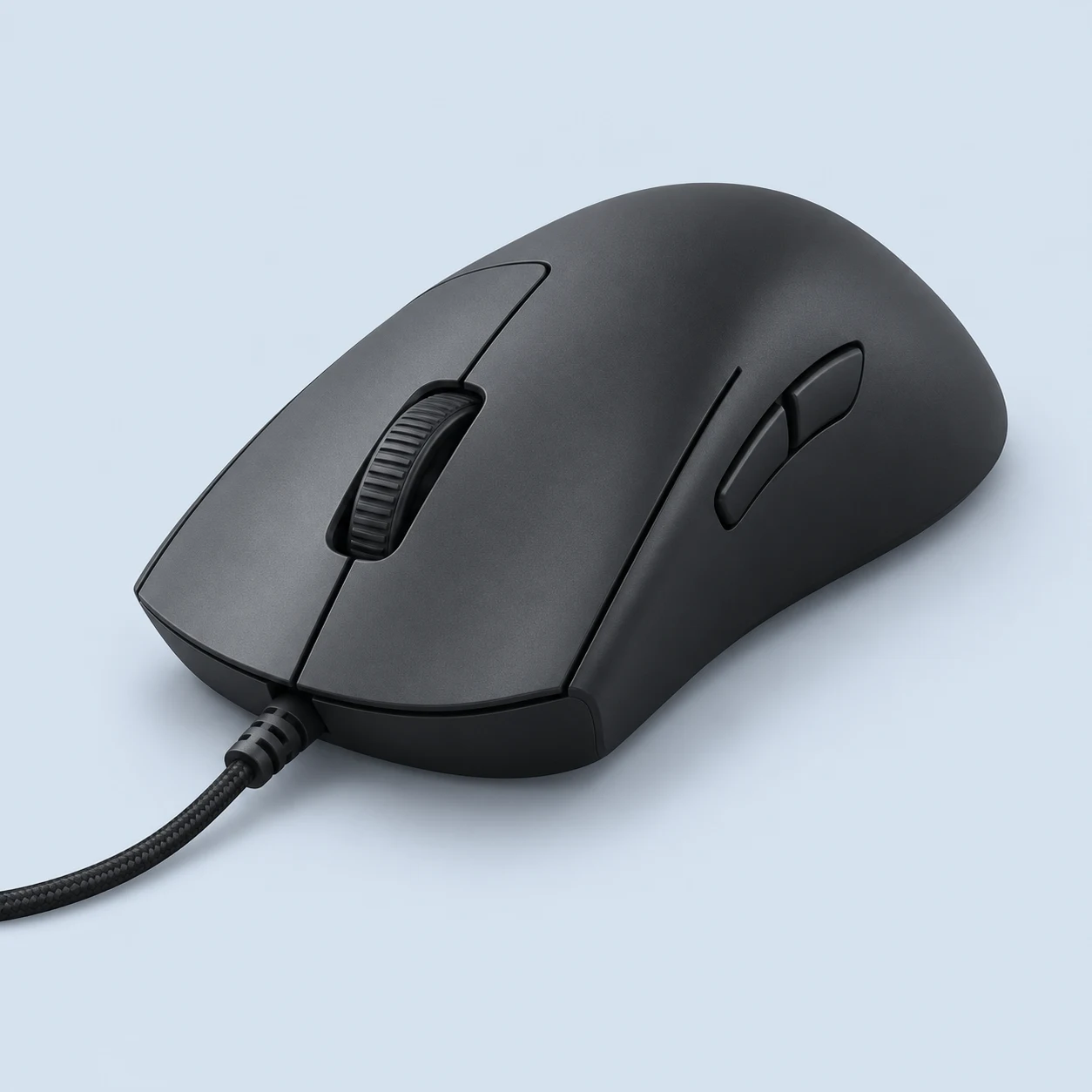
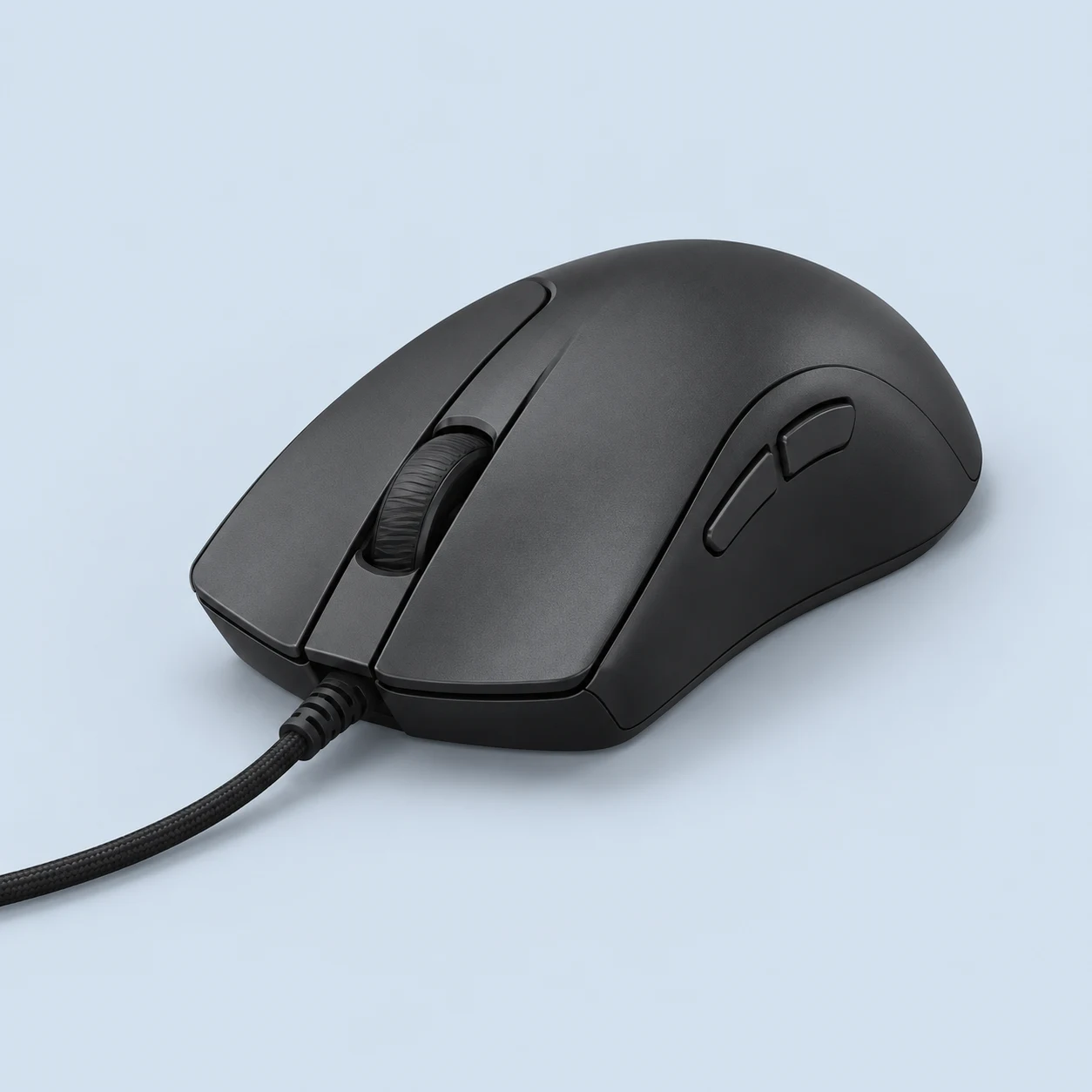
AI illustration of Razer Viper 8KHz; visual reference, not an official product photoIllustration

Illustrative image for visual reference. Actual product appearance may vary.

Razer

Razer Viper 8KHz

The Viper 8KHz is a wired competitive mouse distinguished by high-rate reporting and actual side buttons on both sides. Razer documents a 71 g cable-excluded body, Focus+ 20K sensor and second-generation optical main switches. That ambidextrous control arrangement differs from newer symmetrical-looking Vipers with left-side controls only. The retained launch specification supplies dimensions where the current page has inconsistent labels. RTINGS reports a low profile that can challenge a large-hand palm grip and a cable less flexible than some alternatives.

Research-based review

Last reviewed: · 4 sources

Weight
71 g
Sensor
Razer Focus+ optical sensor
Polling Rate
8000 Hz
DPI
20000
Connection
Wired

Specification conditions: 71 g excludes cable. Launch PDF dimensions retained as length 126.73, width 57.6, height 37.81 mm rather than copying conflicting HTML axis labels. Wired-only: no battery or charging requirement.

Research-based coverage. Specifications, sourced assessments, and editorial views are kept distinct. No hands-on testing is claimed on this page. How we review ↗

EVIDENCE BEFORE VERDICTS

Research-Based Review

Overview

The Viper 8KHz combines an older-generation Viper shell with a wired 8,000 Hz reporting configuration. Razer's documentation identifies a 71 g mouse without cable, a Focus+ sensor and optical main switches. Its most distinctive physical feature is the two-sided control layout: a symmetrical silhouette alone does not make every gaming mouse equally usable with either hand, but this model actually places secondary controls on both sides.

The low shell makes grip choice consequential. RTINGS describes the ambidextrous design as comfortable overall while noting that a larger hand may struggle to find full palm support. The documented launch dimensions are approximately 126.73 by 57.6 by 37.81 mm; those axis-labelled figures are retained rather than copying inconsistent dimensions from a later HTML table. Compare contact points and button reach with familiar hardware, particularly if you prefer a taller rear support area.

High polling is supplied through the cable, so there is no extra wireless receiver purchase or rechargeable runtime to budget. However, 8K still depends on a compatible game and PC configuration, and Razer's reporting headline does not prove a proportional improvement in aim. RTINGS' public analysis also flags cable flexibility as a practical limitation against some alternatives. The Viper's eight-control layout gives more secondary access than a two-side-button-only shell, but it is still different from a dedicated MMO thumb grid. This entry therefore centres on wired competitive input and genuinely two-sided controls rather than treating all Viper generations as interchangeable.
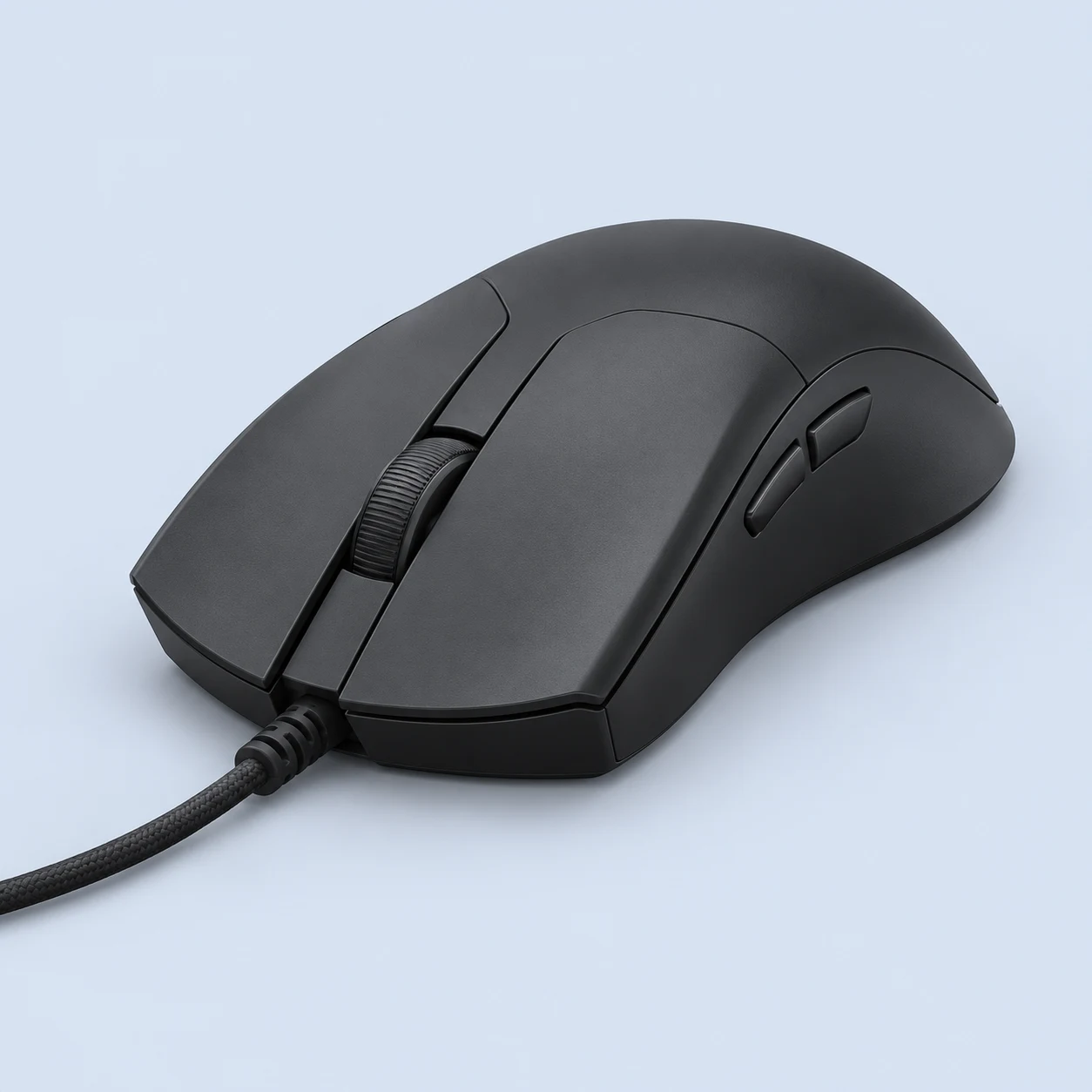
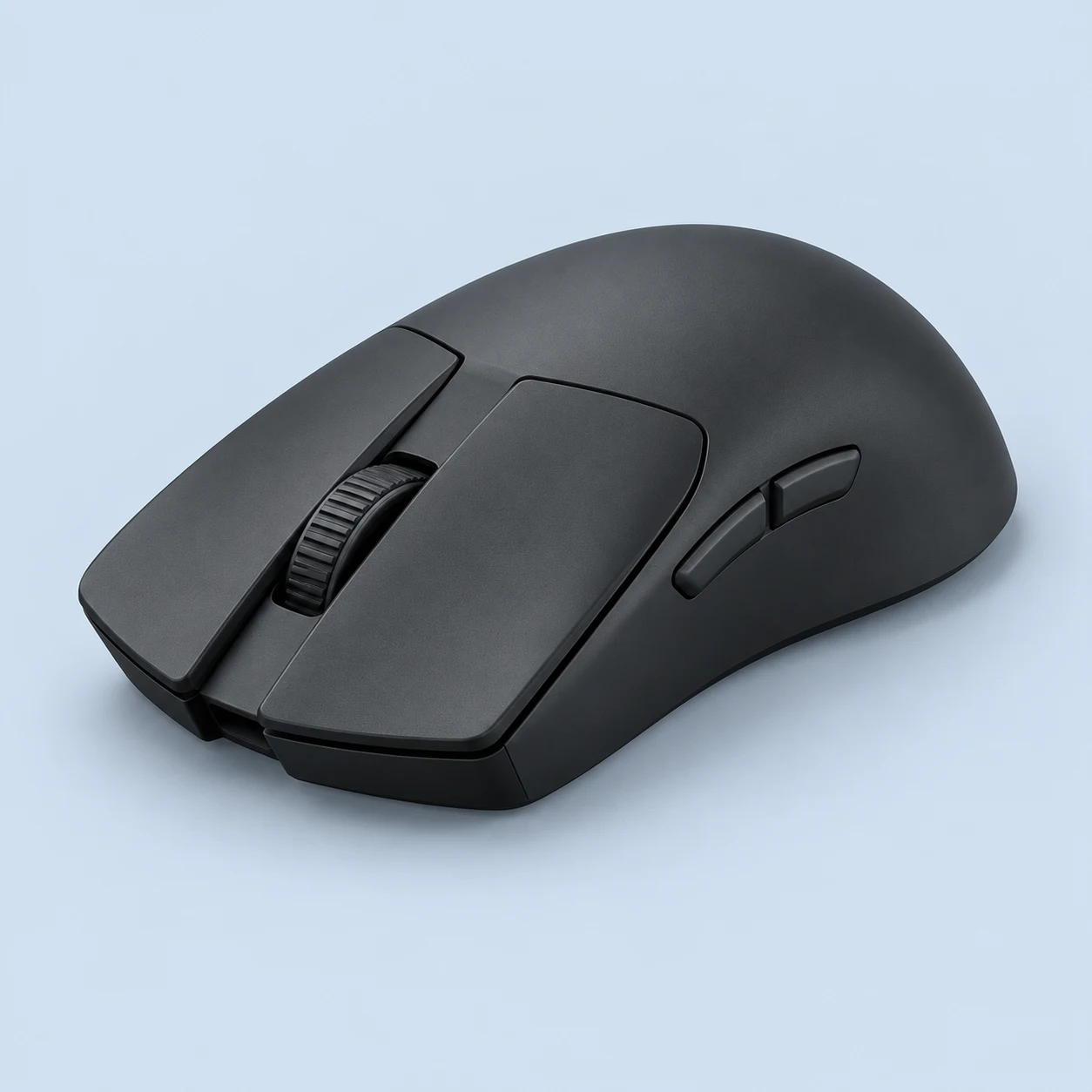
Pros

  • Side buttons on both sides support a genuinely ambidextrous control arrangement.
  • 8,000 Hz reporting is available through the wired input connection.
  • Documented cable-excluded weight keeps weight comparisons separate from cable mass.
  • Optical main switches are specified for this exact generation.

Cons

  • RTINGS describes the cable as less flexible than some competing designs.
  • Low shell profile can limit full palm support for larger hands.
  • Wired-only operation cannot serve a receiver-free Bluetooth device.

Best For

This Viper is most relevant to a buyer who deliberately wants wired input and secondary buttons on either side of the mouse. A left-handed setup has a stronger physical basis here than on a merely symmetrical shell with left-side buttons only. FPS users can explore the 8K option while keeping sensitivity, frame stability and cable placement as separate configuration choices. Claw or fingertip users may find the low profile more relevant than someone wanting a high palm-support hump. The fixed power connection also suits a person who prefers never scheduling mouse charging. Those priorities are more useful purchase criteria than comparing maximum DPI with a newer wireless Viper whose shape and controls have changed.

Who Should Avoid

A large-hand player seeking a fully supported palm hold should compare the sloped DeathAdder V3 rather than assuming Viper length compensates for its low profile. A cable-sensitive desk setup can move to the Viper V2 Pro, while remembering that its wireless shell does not preserve this model's two-sided button access. Small-shell buyers may prefer the wired Cobra. An MMO player who needs a thumb grid should shortlist a Naga instead of counting eight available Viper controls as an equivalent layout. macOS users should also check Razer configuration-software support before relying on advanced remapping.

Hand Size

The inspected RTINGS analysis specifically cautions that larger hands may struggle with palm grip on this low-profile body. That supports a conditional large-hand palm warning, not a universal rejection of large-hand claw or fingertip use. The documented dimensions alone cannot assign a precise comfort score.

Grip Style

Its low ambidextrous shell is relevant to claw and fingertip comparison. Full palm support deserves more scrutiny for a larger hand. Side-button access on both sides is a physical feature that remains distinct from grip comfort.

Game Compatibility

Competitive FPS is the primary context for wired 8K input. Left-handed secondary-control access is another concrete reason to consider it. Eight available controls can cover ordinary ability bindings, but a twelve-key MMO panel offers a different command density.

Connectivity

USB provides both input and power on the Viper 8KHz. It has no wireless battery routine. Up to 8,000 Hz requires compatible settings and a suitable system; reducing the rate is a valid configuration choice when high-rate input adds unnecessary load.

Detailed Specifications

71 g excludes cable. Launch PDF dimensions retained as length 126.73, width 57.6, height 37.81 mm rather than copying conflicting HTML axis labels. Wired-only: no battery or charging requirement.

Viper 8KHz detailed specifications
BrandRazer
ModelViper 8KHz
SeriesViper
Release date2021-01-28
Weight71 g
Length126.73 mm
Width57.6 mm
Height37.81 mm
SensorRazer Focus+ optical sensor
Maximum DPI20000
IPS650
Acceleration50 G
Polling rate8000 Hz
Switch typeRazer Optical Mouse Switches Gen-2
EncoderNot verified
ConnectionWired
WiredYes
WirelessNo
BluetoothNo
Buttons8
Handednessambidextrous
RGBYes
MSRPUSD 79.99

Where to Buy

No verified merchant offers have been added.

Alternatives

Selected for specific differences in shape, connectivity or controls. Editorial selection is independent of merchant commission.

AI illustration of Razer Viper V2 Pro; visual reference, not an official product photoIllustration

Razer

Viper V2 Pro

Viper V2 Pro is a rechargeable low-profile FPS mouse that removes RGB and right-side controls in favour of a lighter, five-button design. Razer identifies a 58 g black body excluding cable and dongle, Focus Pro 30K sensor and third-generation optical switches. Optional HyperPolling hardware and firmware enable the advertised 8K maximum; the standard receiver is a different configuration. Earlier and later official battery descriptions conflict, so runtime remains unconfirmed. Its symmetrical shape should not be confused with fully ambidextrous side-button access.

58 g8000 Hz
PublishedCompare ↗

Remove the permanent cable if wireless movement matters, while noting that the V2 Pro does not retain two-sided side-button access.

AI illustration of Razer DeathAdder V3; visual reference, not an official product photoIllustration

Razer

DeathAdder V3

The wired DeathAdder V3 brings Razer's sloped right-handed shell into a 59 g cable-excluded competitive design. It uses a Focus Pro 30K sensor, third-generation optical main switches and configurable USB reporting up to 8K, with no receiver purchase or rechargeable upkeep. It is distinct from both the Pro and HyperSpeed models. The documented 128 mm body makes full-shell contact worth comparing, especially for smaller hands; buyers should choose it for the ergonomic profile and wired setup rather than assuming every DeathAdder shares this hardware.

59 g8000 Hz
PublishedCompare ↗

A sloped right-handed wired shell is relevant when fuller palm support matters more than ambidextrous controls.

AI illustration of Razer Cobra; visual reference, not an official product photoIllustration

Razer

Cobra

The wired Cobra combines a compact symmetrical shell, Gen-3 optical main controls and RGB underglow in a 58 g cable-excluded design. Razer documents an 8,500 DPI optical sensor and a Speedflex cable rather than the wireless features of Cobra Pro. RTINGS places the low-profile shape toward smaller and medium hands and notes minor shell flex as a tradeoff. Six controls keep gaming bindings simple. Its appeal rests on size, cable and switch preferences, not a claim that decorative lighting improves performance.

58 g1000 Hz
PublishedCompare ↗

The smaller wired Cobra is a shell-size alternative rather than a like-for-like 8K substitute.

Sources

  1. Razer Viper 8KHz review ↗

    RTINGS.com · LAB_TEST · Accessed 10/3/2026

    Source checked: 10/3/2026 · Verified

    Public review inspected for two-sided buttons, large-hand palm caveat and cable tradeoff. No locked measurements or image assets used.

  2. Viper 8KHz official product information ↗

    Razer · OFFICIAL · Accessed 10/3/2026

    Source checked: 10/3/2026 · Verified

    Exact Viper 8KHz identity and wired high-rate positioning inspected. Retained launch PDF provides axis-labelled dimensions where HTML specification labels conflict.

  3. Viper 8KHz official launch specifications (PDF) ↗

    Razer · OFFICIAL · Accessed 10/3/2026

    Source checked: 10/3/2026 · Verified

    Published: 2021-01-28

    Official launch PDF explicitly gives L126.73 × W57.6 × H37.81 mm; resolves the malformed launch HTML length and Japanese manual height unit. Weight 71 g excludes cable.

  4. Viper 8KHz official launch specifications ↗

    Razer · OFFICIAL · Accessed 10/3/2026

    Source checked: 10/3/2026 · Verified

    Published: 2021-01-28

    Launch confirms 8000 Hz, 20000 DPI, 650 IPS, 50 G and 71 g excluding cable. Length text is inconsistent with inches, so dimensions remain null.

FAQ

Does Viper 8KHz have buttons on both sides?

Yes. Its two-sided secondary-button layout distinguishes it from many newer symmetrical-looking mice.

Does 8K require a separate wireless dongle?

No. This model carries its documented 8K input over a wired USB connection.

Which weight basis is used here?

The retained Razer figure is 71 g excluding the cable.

Is it suitable for a large-hand palm grip?

The public RTINGS analysis notes a possible palm-support limitation for larger hands. Compare its low profile rather than assuming a guaranteed fit.