Affiliate Disclosure: purchases through affiliate links may earn a commission. Commission and buying-channel priority do not determine editorial rankings. Read the disclosure ↗
How We Chose · Methodology
Editorial selection compares official specifications and the existing published product research, including cited independent reviews where available. We prioritize shell and control requirements for this guide, disclose unknown values and receiver or firmware conditions, and do not claim hands-on tests. Position is an editorial field; merchant availability, affiliate commission and channel priority do not affect inclusion or order.
Valorant players comparing shells for repeated aiming and repositioning. These are independent FPS-oriented selections, not Riot recommendations or claims about professional adoption.
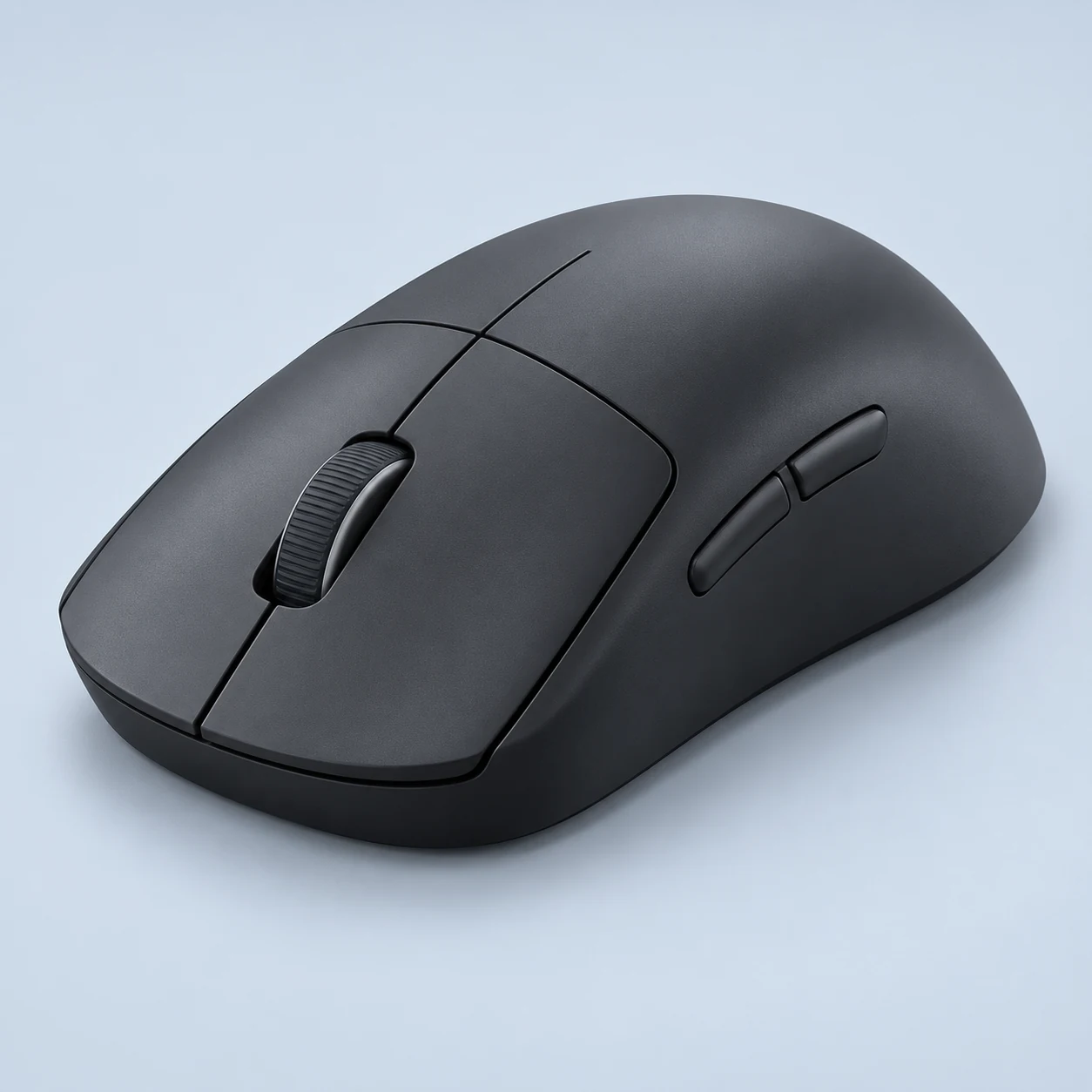
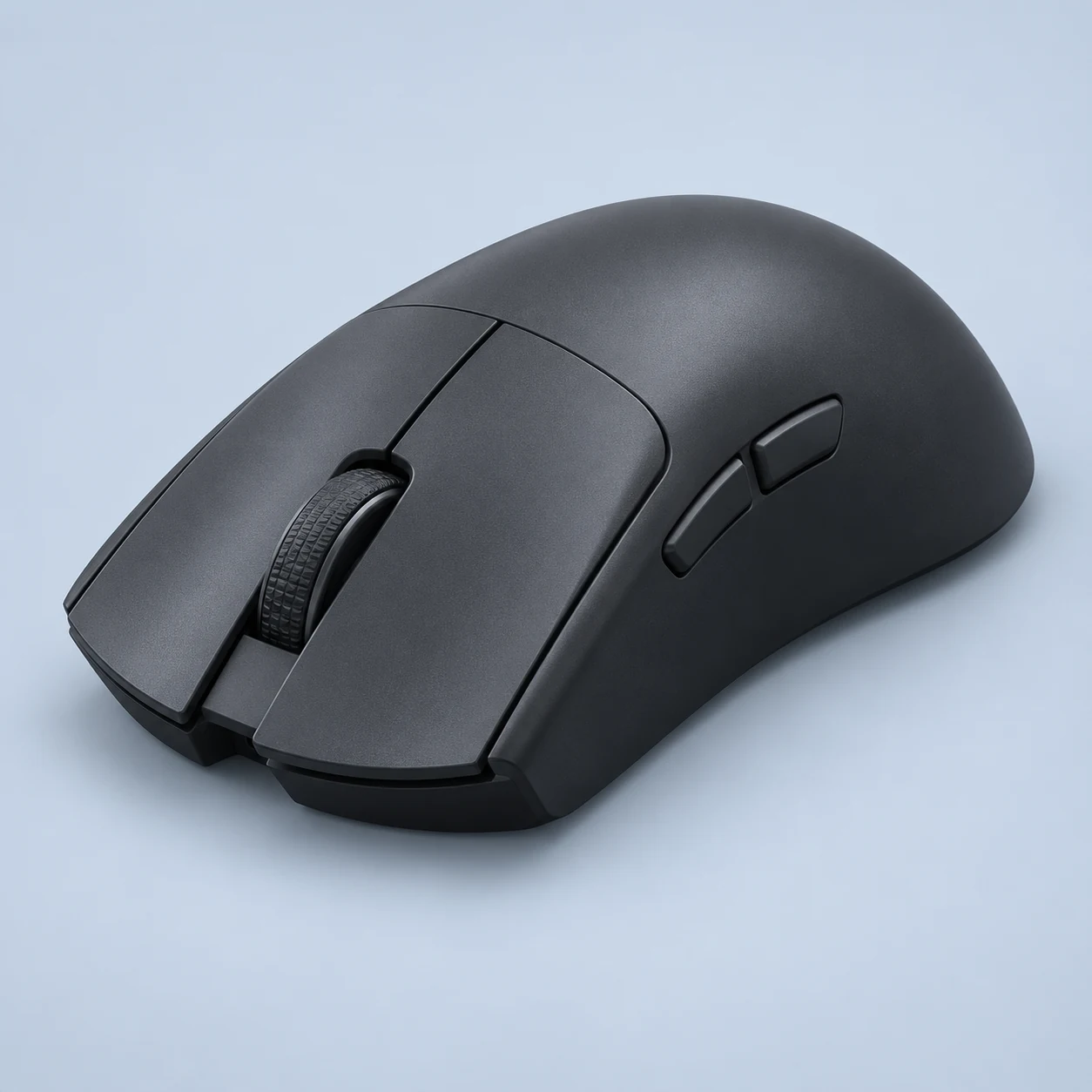
Razer's Viper V3 Pro is a receiver-based esports mouse centered on a light, symmetrical right-handed shell. The black edition weighs 54 g excluding cable and dongle, with a Focus Pro 35K Gen-2 sensor and third-generation optical main switches. Its included HyperPolling receiver enables up to 8,000 Hz wireless reporting. The design favors aiming and a small command layout; Bluetooth and lighting are absent, and the official battery figures change substantially with report rate.
The 54 g black model combines receiver wireless with an included high-rate configuration. Shape and consistent system frame delivery matter more than choosing the largest nominal polling number.
Best For
The Viper V3 Pro belongs on the shortlist of FPS players who already know they prefer a relatively symmetrical shell and want a low moving weight. Its included high-rate receiver simplifies the hardware requirement for experimenting with 2K, 4K or 8K, while the documented runtime table makes the battery cost visible. Players who use keyboard bindings for most utility have less need for an elaborate side panel. Those coming from a rounded SUPERLIGHT or a sloped DeathAdder should compare the contact profile rather than assume that similar overall dimensions mean the same feel. The premium feature set is most relevant when the receiver connection, recharge routine and restrained controls all suit the intended gaming setup.
Tradeoffs
Someone looking for long intervals between charging while permanently using 8K should consider the documented 17-hour limit before buying. Bluetooth-dependent laptop use is another clear mismatch. A palm user who deliberately wants the side support and slope of an ergonomic right-handed shell has a reason to compare the DeathAdder V3 Pro instead. MMO players wanting many accessible abilities should evaluate a Naga or Scimitar. The wired Haste 2 changes a different constraint by removing battery management, though it retains cable routing. Choose an alternative for the requirement it changes rather than treating any lower weight or higher DPI figure as a complete verdict.
Pros
The black mouse-only specification is 54 g; the receiver is not incorrectly counted as part of the moving shell.
An 8K-capable HyperPolling receiver is included for this model.
Cons
Maximum-rate wireless use has a stated battery ceiling of 17 hours, far below the 1K headline.
No Bluetooth mode for a receiver-free second device.
Key Specs
Weight
54 g
Connection
Wired / Wireless receiver
Maximum polling
8000 Hz
Sensor
Focus Pro 35K Optical Sensor Gen-2
Manufacturer maxima may require firmware or a separately purchased receiver. See product specifications for conditions.
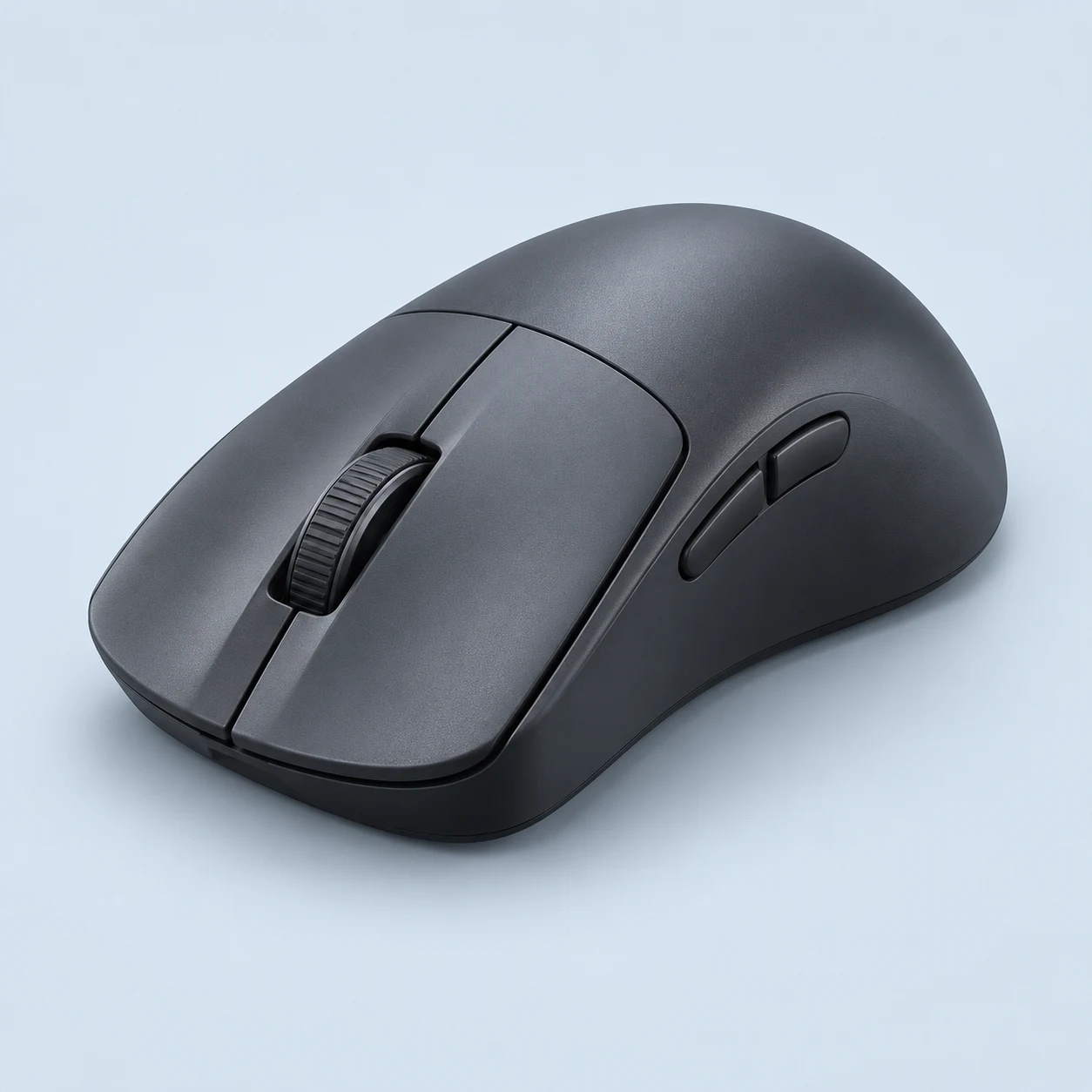
The PRO X SUPERLIGHT 2 concentrates on low-weight wireless control rather than a large command layout. Logitech documents a 60 g shell, HERO 2 sensor and LIGHTFORCE main switches, with current support information confirming 8,000 Hz wireless reporting and USB-C charging. Its broadly symmetrical shape makes it a starting point for players comparing grip preferences. Five buttons and receiver-only wireless connectivity keep the purpose clear: competitive aiming, with fewer conveniences for extensive macros or multi-device work.
A 60 g shell and restrained five-button layout suit keyboard-led utility bindings. Compare the rounded contact points against the Viper before making the choice.
Best For
Players moving between Valorant, CS2 and other aim-focused games can consider the SUPERLIGHT 2 when a rechargeable receiver connection and a restrained button layout suit their setup. The documented low shell weight is relevant to repeated repositioning, while the broad shape assessment from RTINGS makes it worth comparing before choosing a more specialized shell. It can also serve general gaming when most abilities stay on the keyboard. The decision to use 8K should follow stable frame delivery and compatibility checks on your own PC; there is no need to run the highest rate solely because it is available. Prioritize comfortable reach to the left-side controls and an acceptable charging routine over nominal DPI or esports branding.
Tradeoffs
A dedicated MMO user who wants a thumb grid should begin with the Naga V3 Pro or SCIMITAR RGB ELITE instead of trying to turn five buttons into a complete action bar. People who require Bluetooth for a second computer also need a different model. A strongly sloped right-handed shell may better suit someone who dislikes symmetrical contact points; the DeathAdder V3 Pro is an existing alternative to compare. If keeping a battery charged is itself inconvenient, the wired Pulsefire Haste 2 offers a different ownership tradeoff. None of these alternatives is universally better: each changes a particular constraint.
Pros
Manufacturer-listed 60 g mouse keeps the shell light without a permanently attached cable.
Current official support confirms 8,000 Hz reporting rather than limiting the listing to its launch configuration.
Cons
No Bluetooth connection for switching to a receiver-free laptop or tablet.
Five buttons provide less command access than the existing Naga and Scimitar MMO models.
Key Specs
Weight
60 g
Connection
Wired / Wireless receiver
Maximum polling
8000 Hz
Sensor
HERO 2
Manufacturer maxima may require firmware or a separately purchased receiver. See product specifications for conditions.
DeathAdder V3 HyperSpeed is a smaller rechargeable ergonomic mouse than the V3 Pro, built around a 55 g advertised body and Focus X 26K sensor. Its standard receiver reports at 1K, with an optional dongle required for the 8K maximum. It has no Bluetooth or RGB. The compact right-handed shell is the main reason to compare it with other DeathAdders, while RTINGS cautions that its flared front edge can create a ring-finger pressure point for larger hands.
The 55 g compact right-handed model provides a different shell proposition. Optional receiver requirements should be considered if maximum polling is part of your plan.
Best For
Right-handed players seeking a compact sloped shell have a concrete reason to examine the HyperSpeed version rather than choosing a DeathAdder by name alone. Its smaller dimensions and low advertised mass can matter to a grip preference that finds the Pro too full-size. The restrained controls suit aim-focused games and keyboard-led bindings without adding RGB or a thumb grid. A buyer comfortable with receiver use can begin with the supplied 1K arrangement and consider an optional high-rate accessory only after deciding it is useful. Rechargeable USB-C ownership is part of the verified setup. Ring-finger contact deserves special comparison because the public independent review identifies a flare-related issue for some larger hands.
Tradeoffs
Someone who wants more shell support or dislikes the front-right flare should compare the larger DeathAdder V3 Pro. A buyer wanting a permanent power connection can choose wired DeathAdder V3 instead of managing receiver battery life. Bluetooth-dependent work calls for Haste 2 Wireless or another confirmed Bluetooth model. Do not purchase optional high-rate hardware expecting the same 100-hour advertised maximum: exact-model support associates 8K with a much shorter claim. Finally, a dense MMO action bar is a different requirement from this ergonomic aiming design and should lead toward actual command-grid hardware.
Pros
Smaller documented shell provides a distinct ergonomic option within the V3 family.
USB-C rechargeable operation avoids replaceable AA batteries.
Cons
Higher-rate wireless operation needs an additional compatible dongle.
No Bluetooth for receiver-free device switching.
Key Specs
Weight
55 g
Connection
Wired / Wireless receiver
Maximum polling
8000 Hz
Sensor
Focus X 26K optical
Manufacturer maxima may require firmware or a separately purchased receiver. See product specifications for conditions.
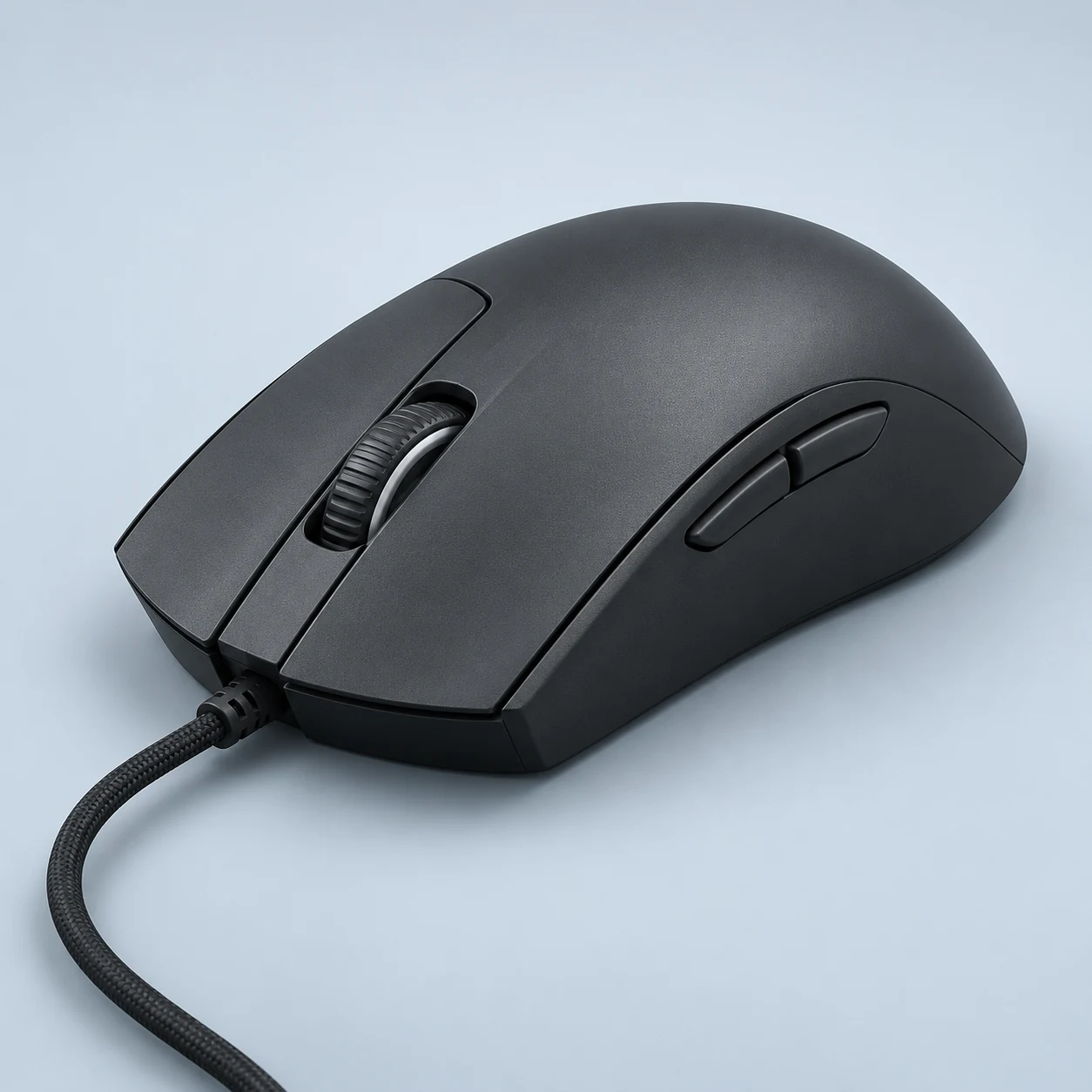
The wired Pulsefire Haste 2 keeps a solid symmetrical shell while prioritizing low mouse-only weight and high-rate USB input. This record uses black SKU 6N0A7AA, specified at 52 g without its cable and 75 g including it. The HyperX 26K sensor, six programmable buttons and up to 8,000 Hz polling serve aim-focused gaming without a charging schedule. Cable routing remains part of the purchase decision, and the similarly named wireless version must be evaluated as separate hardware.
The 52 g wired Haste 2 avoids recharging while retaining a documented 8K maximum. Cable drag depends on routing, so the cable remains an explicit tradeoff.
Best For
Desk-based FPS players who are happy with a wired connection have a concrete reason to compare the Haste 2 against light wireless models. It removes the question of when to charge, while retaining a documented 8K option for a suitable PC and game. RTINGS's medium/larger-hand and broad-grip assessment provides useful context for the symmetrical shell, rather than a numerical comfort guarantee. General gaming also fits its six-button arrangement when keyboard commands remain central. The purchase decision should include cable placement, available USB connection and whether the software settings are useful on your system. A live merchant price is not established here; the launch MSRP is historical context, not a claim that a current offer is available at that amount.
Tradeoffs
Anyone who needs cable-free movement should begin with the separate Haste 2 Wireless or Viper V3 Pro rather than assume the wired model includes a receiver. Bluetooth switching is also unavailable. A buyer with particularly small hands should compare the full-size shell with a smaller product instead of relying on its low weight to solve reach. For a large thumb-led MMO action bar, the SCIMITAR RGB ELITE has a different command layout. Finally, users unwilling to configure software or check system support should not select the Haste 2 solely for its 8K headline; the ordinary default report rate is a valid operating mode.
Pros
The black mouse-only specification is 52 g with a solid rather than perforated upper shell.
USB polling is configurable up to 8,000 Hz, with the default 1K rate documented.
Cons
The permanently attached cable must be routed around the desk and is not a wireless fallback.
Mouse-only weight does not include the cable’s mass or its effect on routing.
Key Specs
Weight
52 g
Connection
Wired
Maximum polling
8000 Hz
Sensor
HyperX 26K
Manufacturer maxima may require firmware or a separately purchased receiver. See product specifications for conditions.
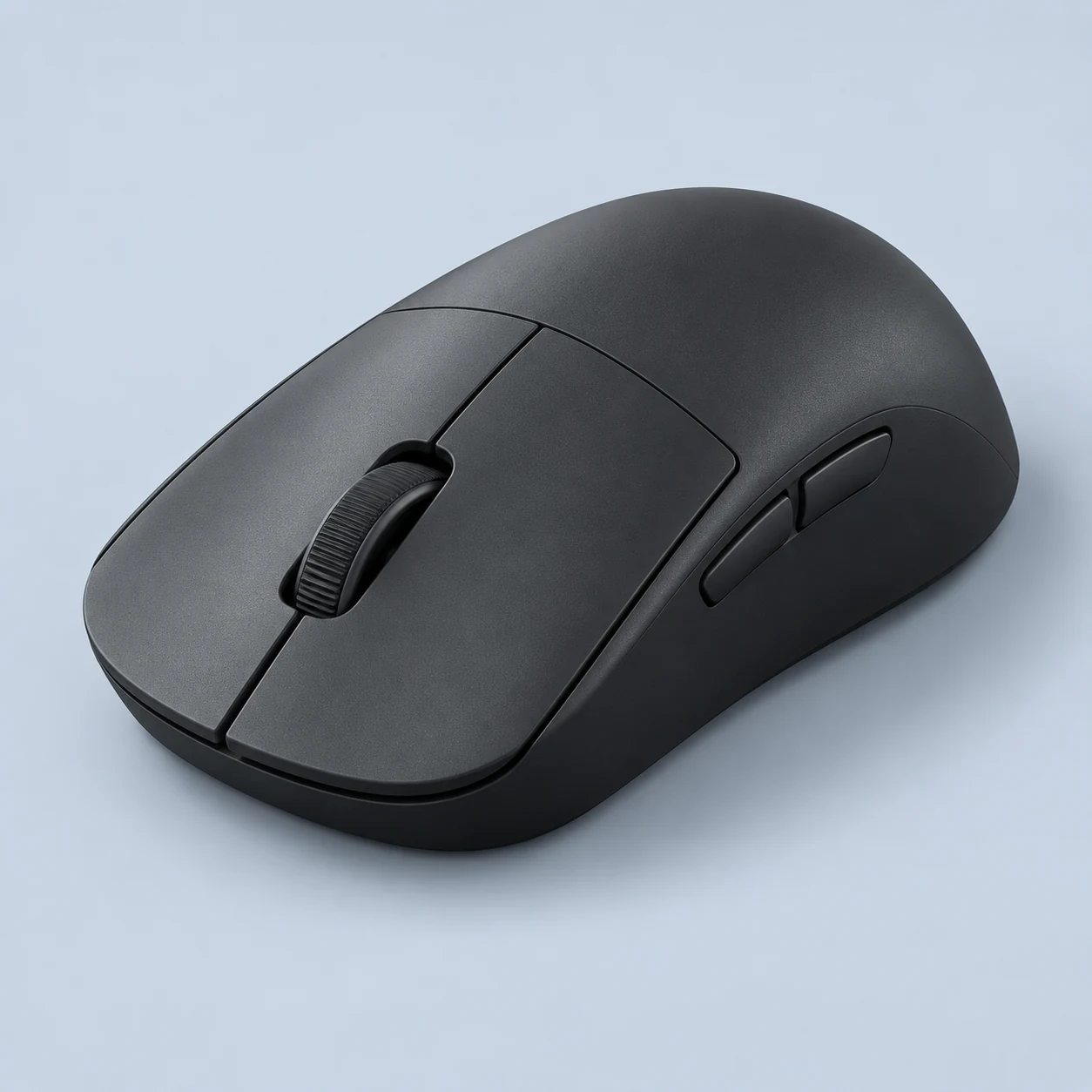
The medium X2 v3 combines a wide-waist, low-hump symmetrical shell with Pulsar's XS-1 sensor and optical main switches. Manufacturer dimensions are 120.4 by 63 by 38 mm, with 52 g plus or minus 1 g excluding cable. Standard reporting is 1K; 8K requires the separately purchased compatible receiver. Pulsar positions the shape toward claw and fingertip use and provides Windows configuration. Exact battery, physical-button and additional connection details remain unconfirmed rather than being copied from X2 Mini, eS or CrazyLight variants.
The 52 g Medium shell is a relevant alternative for players evaluating claw contact. Consult its grip research and exact dimensions; the selection does not promise more accurate aiming.
Best For
Claw or fingertip users who deliberately prefer a wider waist and lower hump can compare the medium v3 against a familiar shell. Pulsar's official positioning gives a starting point for that comparison without assigning invented comfort scores. Competitive shooters may value the low documented mass and restrained shell, especially when keyboard bindings handle complex abilities. Windows users who want configurable secondary controls have a different workflow here from purely onboard ZOWIE products. Standard 1K operation also avoids treating optional 8K hardware as mandatory. The eventual purchase decision should include receiver cost and the still-unconfirmed battery conditions, rather than assuming an X2 family review covers this exact version.
Tradeoffs
A person seeking pronounced right-handed palm support should compare Xlite v4 medium rather than stretching the X2 positioning to every grip. Buyers demanding independently verified medium-v3 runtime should wait for exact evidence or choose a model with a documented condition. Mac-only configuration needs scrutiny because the inspected software is Windows-oriented. Someone expecting an included 8K receiver must account for the separate purchase. Finally, X2 Mini, eS and CrazyLight measurements should not be used to settle this model's fit or performance; the similar family name does not remove generation and size differences.
Pros
Manufacturer specifies a 52 ±1 g cable-excluded body.
Optical main switches and Blue encoder are documented for v3.
Cons
8K requires a separately purchased compatible receiver.
Exact battery and some connection details remain unconfirmed.
Key Specs
Weight
52 g
Connection
Wireless receiver
Maximum polling
8000 Hz
Sensor
Pulsar XS-1
Manufacturer maxima may require firmware or a separately purchased receiver. See product specifications for conditions.
 Illustration