Players who prioritize lower mouse mass but still need a suitable shell and connection. Compare our source-backed shortlist, practical tradeoffs and documented alternatives.
Last Updated: 10/4/2026
This page contains affiliate links. We may earn a commission if you make a purchase, at no additional cost to you.
As an Amazon Associate I earn from qualifying purchases.
Affiliate Disclosure: purchases through affiliate links may earn a commission. Commission and buying-channel priority do not determine editorial rankings. Read the disclosure ↗
How We Chose · Methodology
Editorial selection compares official specifications and the existing published product research, including cited independent reviews where available. We prioritize shell and control requirements for this guide, disclose unknown values and receiver or firmware conditions, and do not claim hands-on tests. Position is an editorial field; merchant availability, affiliate commission and channel priority do not affect inclusion or order.
Players who prioritize lower mouse mass but still need a suitable shell and connection. Published weights may use different color, battery and cable conventions; each product page preserves those conditions.
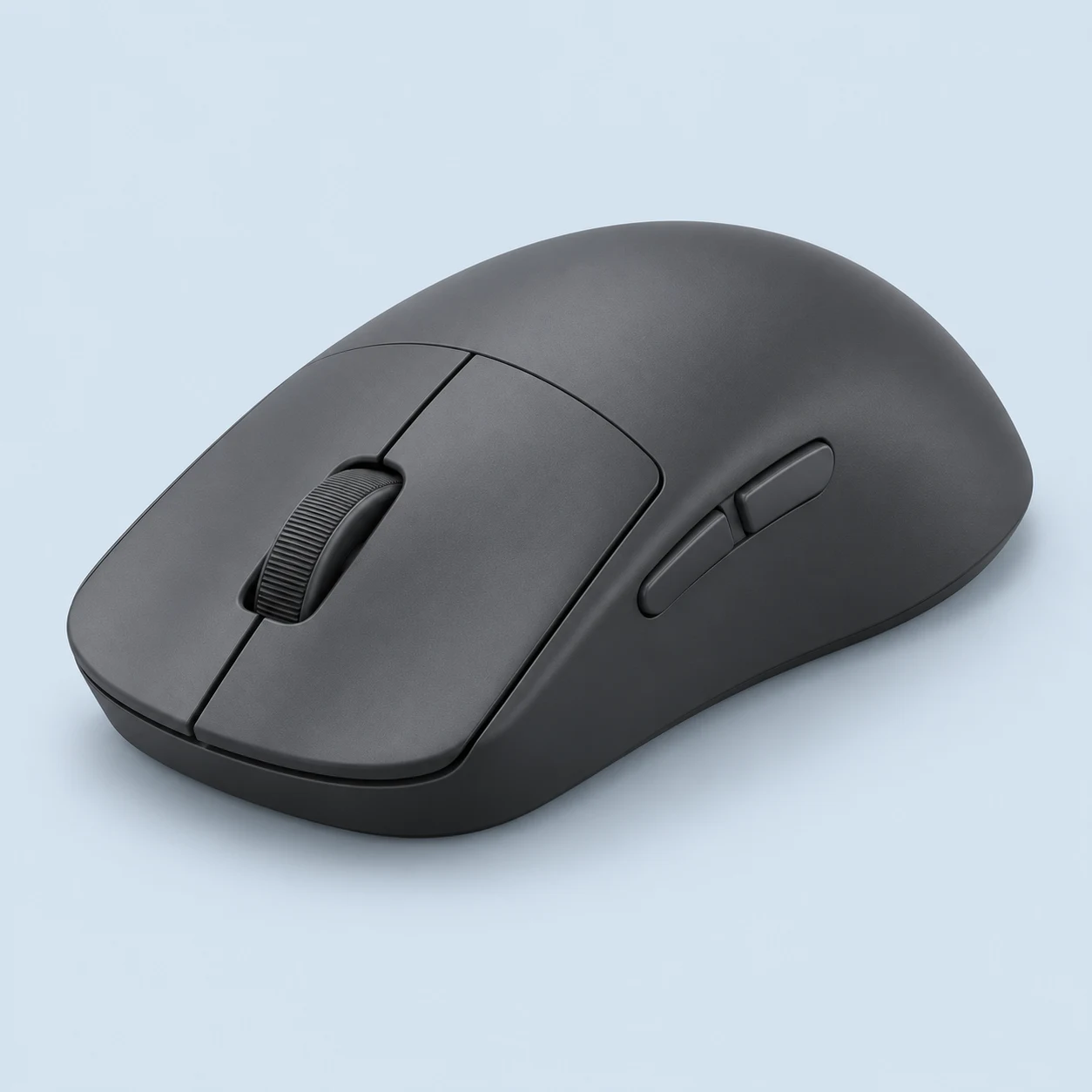
The smaller Fnatic x LAMZU MAYA 8K uses a documented 45 g body, PAW3950 and Omron optical main switches. Its Fnatic bundle includes the 8K wireless receiver, while official runtime changes from 80 hours at 1K to 20 at 8K. ProSettings' exact collaboration review favours claw and fingertip contact over a fully filled palm. Full axis dimensions remain unconfirmed in unambiguous official form. The open bottom and configuration software are practical tradeoffs, and current official sale availability should be checked separately.
The official 45 g figure makes this existing MAYA 8K model a relevant low-mass candidate. Body dimensions and grip analysis matter before moving to the smaller shell.
Best For
Claw and fingertip players who prefer a smaller contact surface can use the exact collaboration review to explore MAYA 8K. Its documented low mass is relevant to a movement-focused setup, but shell contact should remain the deciding fit question. An included high-rate receiver also simplifies the bundle comparison when 8K is genuinely useful on the intended PC. Keyboard-led shooters fit the restrained control concept better than a dense mouse-led action bar. Regular access to a USB-C cable makes the shorter high-rate battery condition easier to accommodate. Check exact merchant stock and whether the listing preserves the Fnatic bundle before assuming all similarly named MAYA offers include the same accessories.
Tradeoffs
A palm user wanting substantial shell support should compare MAYA X or a right-handed ergonomic design. Someone unwilling to recharge around the documented 20-hour 8K condition can lower reporting or shortlist another battery platform. A preference for a sealed underside also points elsewhere. Measurement-driven buyers should wait for clear full-axis evidence rather than converting an unlabelled review table. Finally, the official collaboration's unavailable listing means a remaining retailer offer needs careful identity and warranty checking; neither the historical bundle nor a manufacturer MSRP proves present availability or a reliable current price.
Pros
Fnatic bundle includes the documented 8K wireless receiver.
Official support identifies Omron optical main switches.
Cons
Official 8K runtime claim is only 20 hours.
Open underside is a debris consideration.
Key Specs
Weight
45 g
Connection
Wired / Wireless receiver
Maximum polling
8000 Hz
Sensor
PixArt 3950
Manufacturer maxima may require firmware or a separately purchased receiver. See product specifications for conditions.
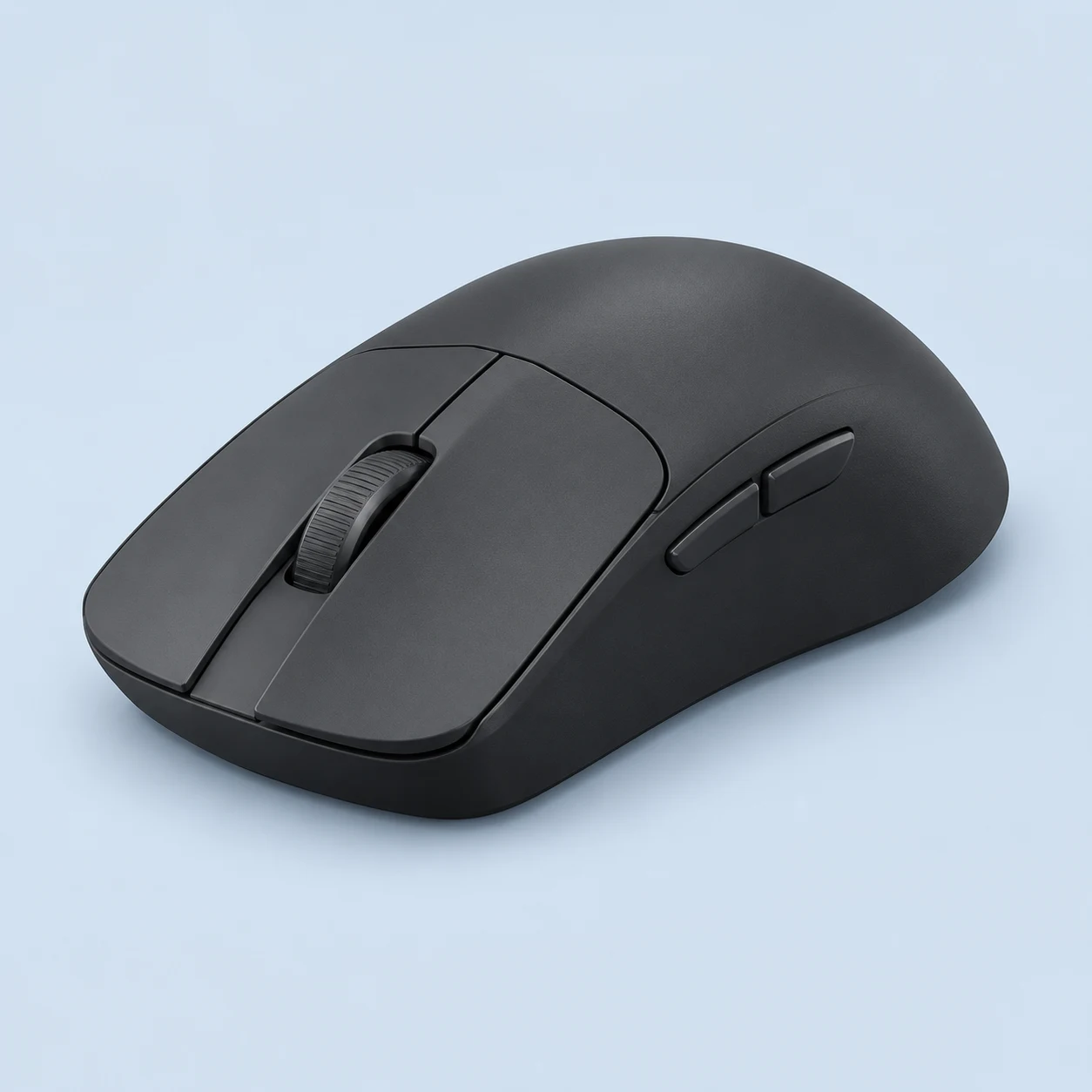
MAYA X 8K is the larger documented Fnatic/LAMZU shell, with a 47 g manufacturer claim, PAW3950 and Omron optical switches. Official support specifies wired and wireless modes, USB-C charging and 80 hours at 1K versus 20 at 8K. The larger outline is intended to provide more contact than MAYA 8K. A related non-collaboration X review offers clearly limited context, rather than exact-bundle test findings. Full dimensions remain empty until measurement units and conventions are clear.
The 47 g MAYA X provides a different size proposition from the smaller MAYA. The choice should follow shell contact and receiver configuration rather than a two-gram comparison alone.
Best For
A buyer who likes the MAYA concept but deliberately wants more hand contact can consider X as the larger collaboration option. The official size distinction is more informative than assuming a colour difference explains the extra mass. Movement-focused players using keyboard abilities may value a documented low-weight body without a dedicated command grid. Included high-rate hardware can also matter when comparing a specific Fnatic bundle with optional-dongle competitors. USB-C access and acceptance of the shorter 8K condition should be part of the desk plan. Anyone relying on related X shape commentary should recognize that it is contextual evidence, and should still compare the exact listing, personal reach and return options.
Tradeoffs
Small-hand fingertip users may prefer the smaller MAYA rather than assuming X's greater contact is beneficial. A person wanting full ergonomic palm support should also compare a sloped right-handed alternative. Buyers unwilling to accommodate the 20-hour official high-rate condition need another reporting choice or battery platform. Exact dimension-dependent decisions should remain pending until clear axes are available. Finally, a review of the non-collaboration X cannot verify the accessories, firmware or warranty of every Fnatic-labelled listing; check the actual package instead of relying on a shared name to settle those details.
Pros
Official support identifies a rechargeable USB-C platform.
Larger collaboration positioning distinguishes it from smaller MAYA.
Cons
20-hour official 8K condition entails more frequent charging than 1K.
Full axis dimensions still need clear exact-model evidence.
Key Specs
Weight
47 g
Connection
Wired / Wireless receiver
Maximum polling
8000 Hz
Sensor
PixArt 3950
Manufacturer maxima may require firmware or a separately purchased receiver. See product specifications for conditions.
Harpe Ace Extreme uses a carbon-fibre upper shell, optical controls and AimPoint Pro42K in a documented approximately 47 g body. Its included Polling Rate Booster enables the official high-rate path, while Bluetooth and USB add connection options. ASUS distinguishes 98-hour Bluetooth and 70-hour receiver claims with lighting off. Tom's Hardware highlights a stiff wheel and premium pricing as tradeoffs. Physical-button totals and conflicting wired high-rate descriptions remain unconfirmed, rather than equating programmable inputs with every underside control.
Its official 47 g figure supports this shortlist, while the model has a distinct material and ownership proposition. No performance gain is inferred from material or price.
Best For
A buyer specifically interested in premium shell materials and included high-rate accessories can consider Extreme with those priorities stated clearly. Its documented low mass is relevant to competitive movement, while the mild central hump and side curvature deserve comparison against a familiar claw or fingertip hold. Bluetooth can serve a secondary device without a gaming receiver. The carrying accessory bundle may also matter to someone transporting the entire setup rather than storing a dongle inside the mouse. These are concrete ownership preferences, not a performance-based reason to spend more. Battery planning should use the selected mode and lighting condition, and actual current price must be weighed against simpler symmetrical alternatives.
Tradeoffs
A cost-focused buyer should compare Aim Lab Edition or another documented competitive platform before paying for the carbon-top bundle. Someone doing extensive scrolling may prefer a less stiff or dual-mode wheel. Internal receiver storage is unavailable, so a frequent traveller should plan to use the supplied case or another safe accessory location. Buyers requiring confirmed 8K wired input should wait for the official/review discrepancy to be resolved. Finally, a many-button MMO user will not gain a thumb grid from Extreme's premium construction; the control layout remains restrained despite programmable directions and underside configuration buttons.
Pros
Included booster provides the documented wireless high-rate option.
Carbon upper shell distinguishes Extreme from Aim Lab Edition.
Cons
Independent review reports a stiff scroll wheel.
No internal receiver-storage slot in the inspected physical review.
Key Specs
Weight
47 g
Connection
Wired / Wireless receiver / Bluetooth
Maximum polling
8000 Hz
Sensor
ROG AimPoint Pro
Manufacturer maxima may require firmware or a separately purchased receiver. See product specifications for conditions.
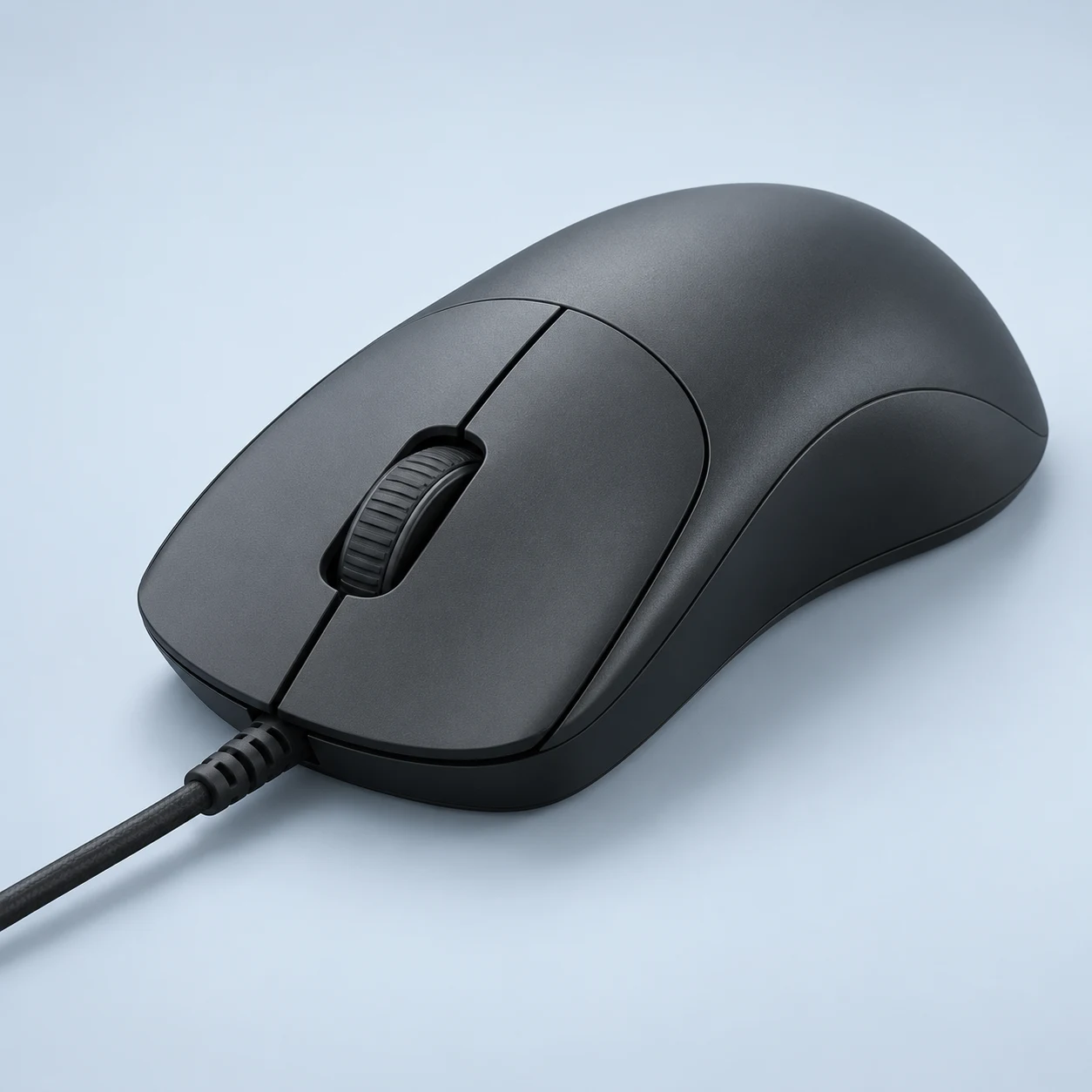
OP1 8k v2 Raw Input Edition is a narrow wired competitive mouse with replaceable Kailh GX mechanical main switches, PAW3950 and a dustproof Kailh encoder. Official dimensions are approximately 118.2 by 60.5 by 37.2 mm, with a 49.5 g claim whose cable basis is unstated. The standard v2 review provides related shape context; official support confirms shared core hardware. The inspected standard official page contradicts itself on maximum CPI, so that field remains empty. Wired8K avoids a receiver or battery purchase, but retains the practical requirement to manage a cable.
At a documented 49.5 g, this cable-powered model avoids battery management. It is worth considering when its compact body and a managed cable fit your setup.
Best For
A claw or fingertip player with smaller-to-medium hands can use the specific RTINGS review as a relevant starting point for OP1 contact. Someone who cares about mechanical click feel and future switch replacement has another concrete reason to consider it. A wired desk with a well-positioned cable can also avoid mouse charging and receiver placement entirely. Keyboard-led FPS abilities fit the restrained secondary-control arrangement. The optional reporting settings let a buyer use 8K where appropriate without treating it as compulsory for every game. Check the narrow sides against familiar hardware, and keep the unresolved CPI claim separate from the confirmed practical features when deciding whether this exact generation belongs on the shortlist.
Tradeoffs
A player who strongly dislikes a permanent cable should compare OP1w4k v2, accepting that the wireless model has its own unresolved specifications and charging conditions. A broader claw contact may be better explored through XM2 8k v2. Multi-device Bluetooth work is outside this wired platform. A dense mouse-led action bar needs more than two side controls plus an underside CPI button. Finally, anyone requiring a confirmed exact maximum sensitivity should wait for Endgame Gear to reconcile its standard-page table and sensor prose instead of using the larger number without qualification.
Pros
Main switches are replaceable through the documented accessible design.
Wired8K needs no additional wireless receiver.
Cons
Permanent cable requires desk routing.
Official maximum-CPI statements conflict.
Key Specs
Weight
49.5 g
Connection
Wired
Maximum polling
8000 Hz
Sensor
PixArt PAW3950
Manufacturer maxima may require firmware or a separately purchased receiver. See product specifications for conditions.
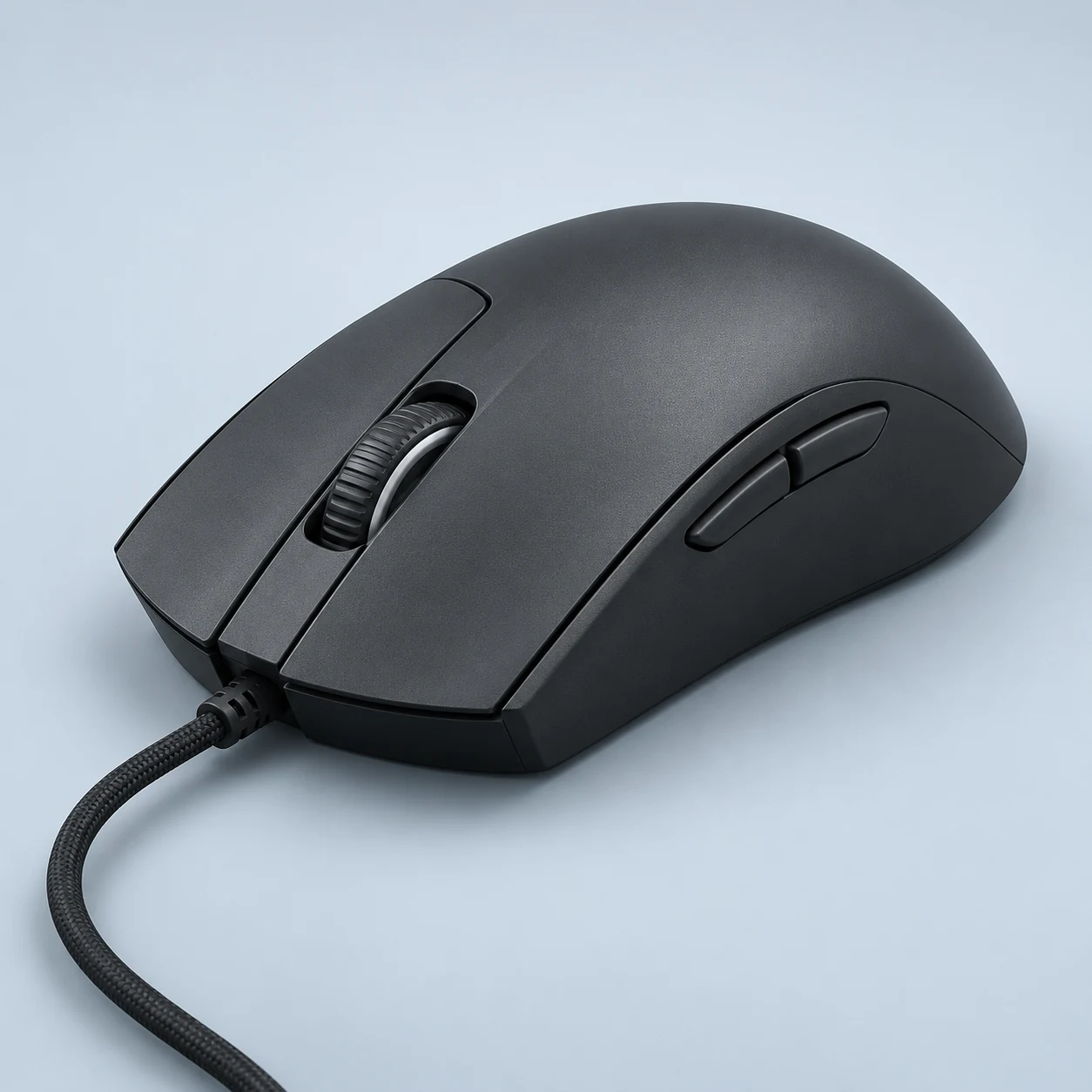
The wired Pulsefire Haste 2 keeps a solid symmetrical shell while prioritizing low mouse-only weight and high-rate USB input. This record uses black SKU 6N0A7AA, specified at 52 g without its cable and 75 g including it. The HyperX 26K sensor, six programmable buttons and up to 8,000 Hz polling serve aim-focused gaming without a charging schedule. Cable routing remains part of the purchase decision, and the similarly named wireless version must be evaluated as separate hardware.
The manufacturer lists a 52 g body and up to 8K reporting. This pick offers a wired alternative to the low-mass wireless group without claiming a universal movement advantage.
Best For
Desk-based FPS players who are happy with a wired connection have a concrete reason to compare the Haste 2 against light wireless models. It removes the question of when to charge, while retaining a documented 8K option for a suitable PC and game. RTINGS's medium/larger-hand and broad-grip assessment provides useful context for the symmetrical shell, rather than a numerical comfort guarantee. General gaming also fits its six-button arrangement when keyboard commands remain central. The purchase decision should include cable placement, available USB connection and whether the software settings are useful on your system. A live merchant price is not established here; the launch MSRP is historical context, not a claim that a current offer is available at that amount.
Tradeoffs
Anyone who needs cable-free movement should begin with the separate Haste 2 Wireless or Viper V3 Pro rather than assume the wired model includes a receiver. Bluetooth switching is also unavailable. A buyer with particularly small hands should compare the full-size shell with a smaller product instead of relying on its low weight to solve reach. For a large thumb-led MMO action bar, the SCIMITAR RGB ELITE has a different command layout. Finally, users unwilling to configure software or check system support should not select the Haste 2 solely for its 8K headline; the ordinary default report rate is a valid operating mode.
Pros
The black mouse-only specification is 52 g with a solid rather than perforated upper shell.
USB polling is configurable up to 8,000 Hz, with the default 1K rate documented.
Cons
The permanently attached cable must be routed around the desk and is not a wireless fallback.
Mouse-only weight does not include the cable’s mass or its effect on routing.
Key Specs
Weight
52 g
Connection
Wired
Maximum polling
8000 Hz
Sensor
HyperX 26K
Manufacturer maxima may require firmware or a separately purchased receiver. See product specifications for conditions.
 Illustration