Amazon
Check Price
US · USD
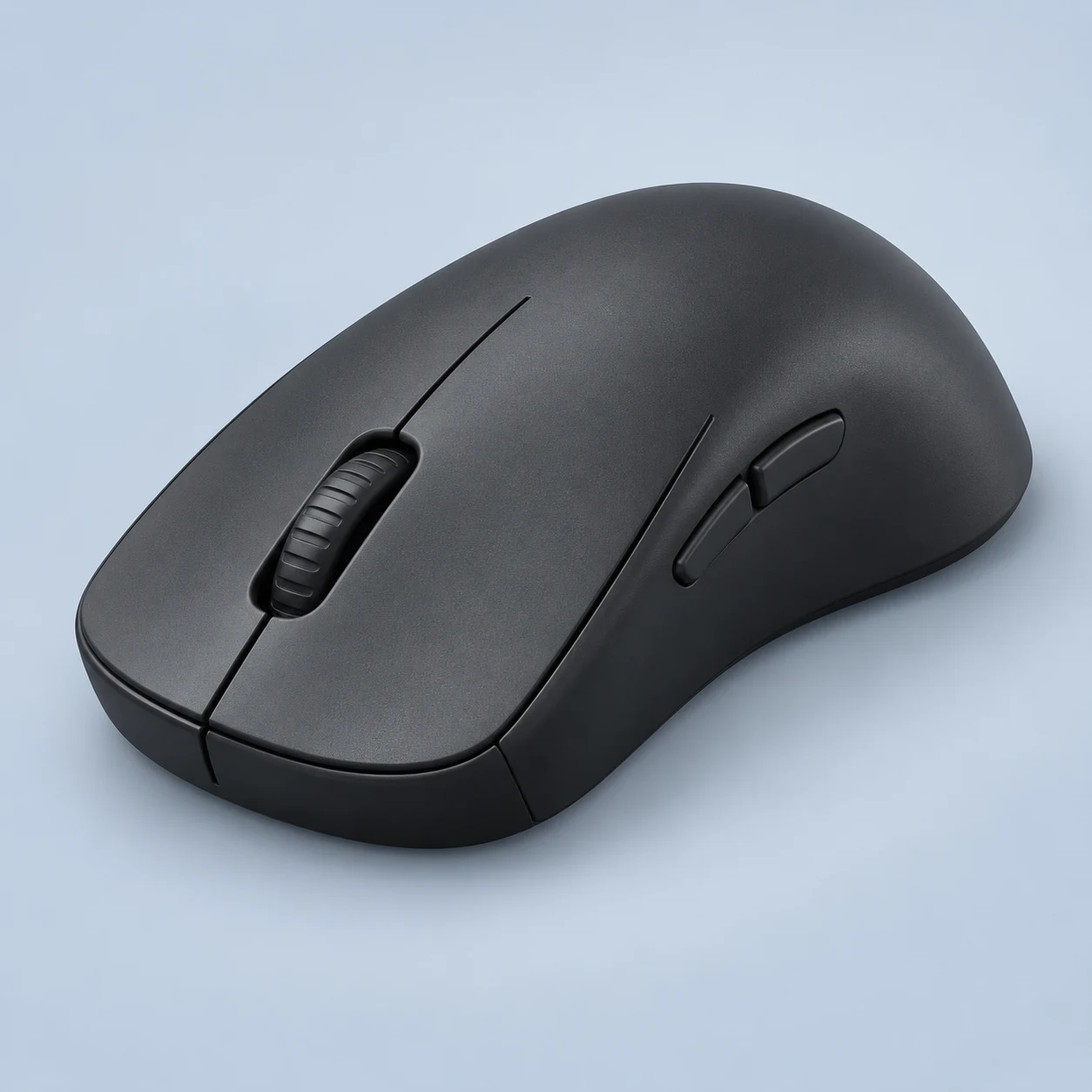 Illustration
Illustrative image for visual reference. Actual product appearance may vary.
ZOWIE's U2-DW is a 60 g wireless mouse built around a narrow waist, pronounced rear support and physical configuration controls. Its included enhanced receiver enables reporting up to 4,000 Hz and doubles as a charging dock. ProSettings' specific DW review identifies a PAW3950 sensor and mechanical Huano switches, while emphasizing claw contact. The driverless approach removes a configuration-software dependency, but also limits elaborate software macros. Reported runtime changes substantially between 1K and 4K, making receiver placement and charging habits meaningful purchase considerations.
Research-based reviewResearch-based coverage. Specifications, sourced assessments, and editorial views are kept distinct. No hands-on testing is claimed on this page. How we review ↗
EVIDENCE BEFORE VERDICTS
The U2-DW follows ZOWIE's competitive shape-first approach with a deeply concave waist and a higher rear contact area. The manufacturer records a 60 g body and maximum dimensions of 123.3 by 64.3 by 38.1 mm. Its narrower grip width is a separate measurement, so the 58.4 mm waist should not replace maximum width in a specification comparison. ProSettings' actual DW review describes strong claw-oriented contact rather than a broadly neutral flat shell.
This model comes with an enhanced receiver and charging dock, plus a conventional receiver. Reporting above 1,000 Hz depends on the enhanced unit, with a documented ceiling of 4,000 Hz. Manufacturer runtime is 80 hours at 1K, 30 at 2K and 24 at 4K. Those conditions matter more than selecting the largest battery number: a high-rate setup increases charging frequency even before considering personal use patterns.
The inspected independent review identifies PAW3950 and mechanical Huano main switches. Configuration remains available on the mouse without installing a suite, which suits a player moving between competition computers. Conversely, a user expecting intricate software macros should examine a different platform. The review also calls out a firm, louder wheel as an ownership tradeoff. U2-DW is therefore most usefully compared through its concave contact, dock and onboard controls, rather than assuming every lightweight symmetrical mouse behaves similarly in the hand.
Claw-oriented FPS players who value a pronounced rear anchor and inward side contact have a specific reason to shortlist U2-DW. Its configuration buttons are useful when a tournament or shared computer should not need personal software installed. The included dock can make short charging sessions convenient between play sessions, provided the desk has space for its receiver location. A person who wants to select a stable sensitivity once and leave it onboard may appreciate the restrained control philosophy. This is a shape and workflow choice rather than a promise of better aim. Hand size and finger curl still determine whether those concave sides feel supportive or unnecessarily restrictive.
A buyer wanting a low, unobtrusive shell should compare FK2-DW instead of assuming both ZOWIE symmetrical bodies make the same contact. Right-handed palm support is better explored through EC2-DW. Macro-dependent MMO play needs a richer software and button platform. Users unwilling to charge at the documented 4K interval can lower reporting or examine a longer-runtime configuration elsewhere. Finally, a quiet, soft wheel preference deserves attention because the physical review flags a firmer, louder scroll action. Dock convenience alone cannot settle those fit and control preferences.
ProSettings documents deep side contact and a pronounced rear anchor. Hand size changes how that shape meets the palm; the review does not justify numeric small/medium/large scores.
Claw grip is the directly supported emphasis. A strongly sculpted waist can be a less neutral choice for a loose fingertip hold or full palm contact.
Competitive FPS with stable onboard settings is the central use case. Elaborate action-bar macros are outside the documented driverless feature set.
Wireless input uses the selected receiver. The enhanced receiver enables 4K and docking; USB-C also supplies charging. Claimed runtime is 80/30/24 hours at 1K/2K/4K, respectively.
60 g manufacturer body figure; maximum width 64.3 mm is distinct from 58.4 mm waist. 4K uses included enhanced receiver. Battery claims vary by rate. Independent physical review identifies sensor and switches. 3200 is the top onboard DPI preset, not a confirmed hardware maximum; maximum-DPI field remains empty.
| Brand | ZOWIE |
|---|---|
| Model | U2-DW |
| Series | U |
| Release date | Not verified |
| Weight | 60 g |
| Length | 123.3 mm |
| Width | 64.3 mm |
| Height | 38.1 mm |
| Sensor | PAW3950 |
| Maximum DPI | Not verified |
| IPS | Not verified |
| Acceleration | Not verified |
| Polling rate | 4000 Hz |
| Switch type | Huano mechanical |
| Encoder | 24-step optical scroll wheel |
| Connection | Wireless receiver |
| Wired | Not verified |
| Wireless | Yes |
| Bluetooth | Not verified |
| Buttons | 7 |
| Battery life | 80 hours |
| Charging | USB-C / enhanced receiver charging dock |
| Handedness | Right-handed symmetrical |
| RGB | No |
| MSRP | Not verified |
This page contains affiliate links. We may earn a commission if you make a purchase, at no additional cost to you.
As an Amazon Associate I earn from qualifying purchases.
Read our affiliate disclosure ↗Check Price
US · USD
 Illustration
ZOWIE
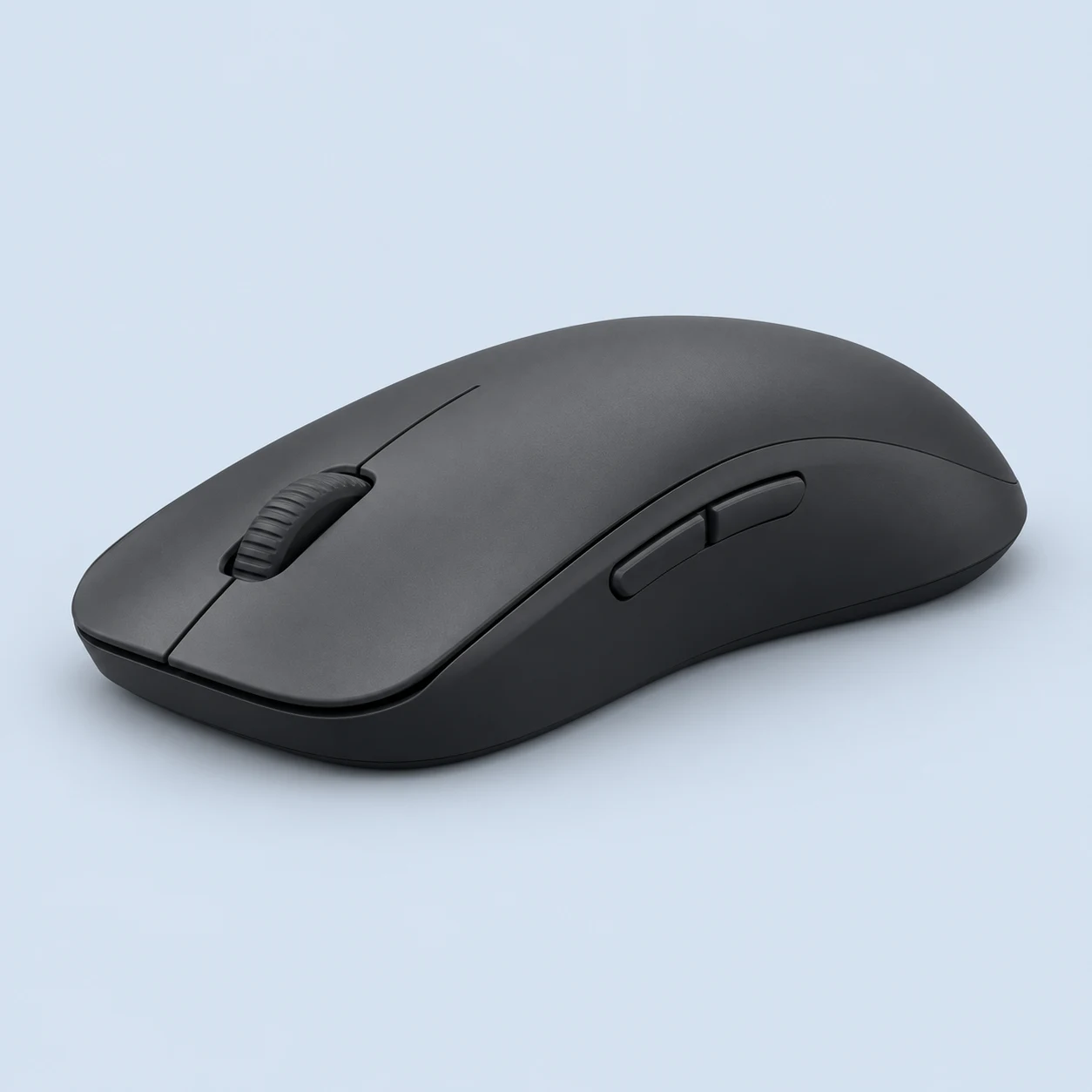
FK2-DW combines ZOWIE's low-profile symmetrical shape with a documented 65 g body and an included 4K charging receiver. ProSettings identifies PAW3950 and Huano mechanical switches in its specific DW examination. The flatter contact is a different proposition from the more pronounced U2 rear support. Driverless controls simplify setup but do not provide intricate macros. Exact dimension axes remain under review because the independent table's units and width convention are not sufficiently clear to overwrite missing manufacturer fields.
Compare a flatter, lower-contact shell if the U2’s pronounced rear support is unwanted.
 Illustration
ZOWIE
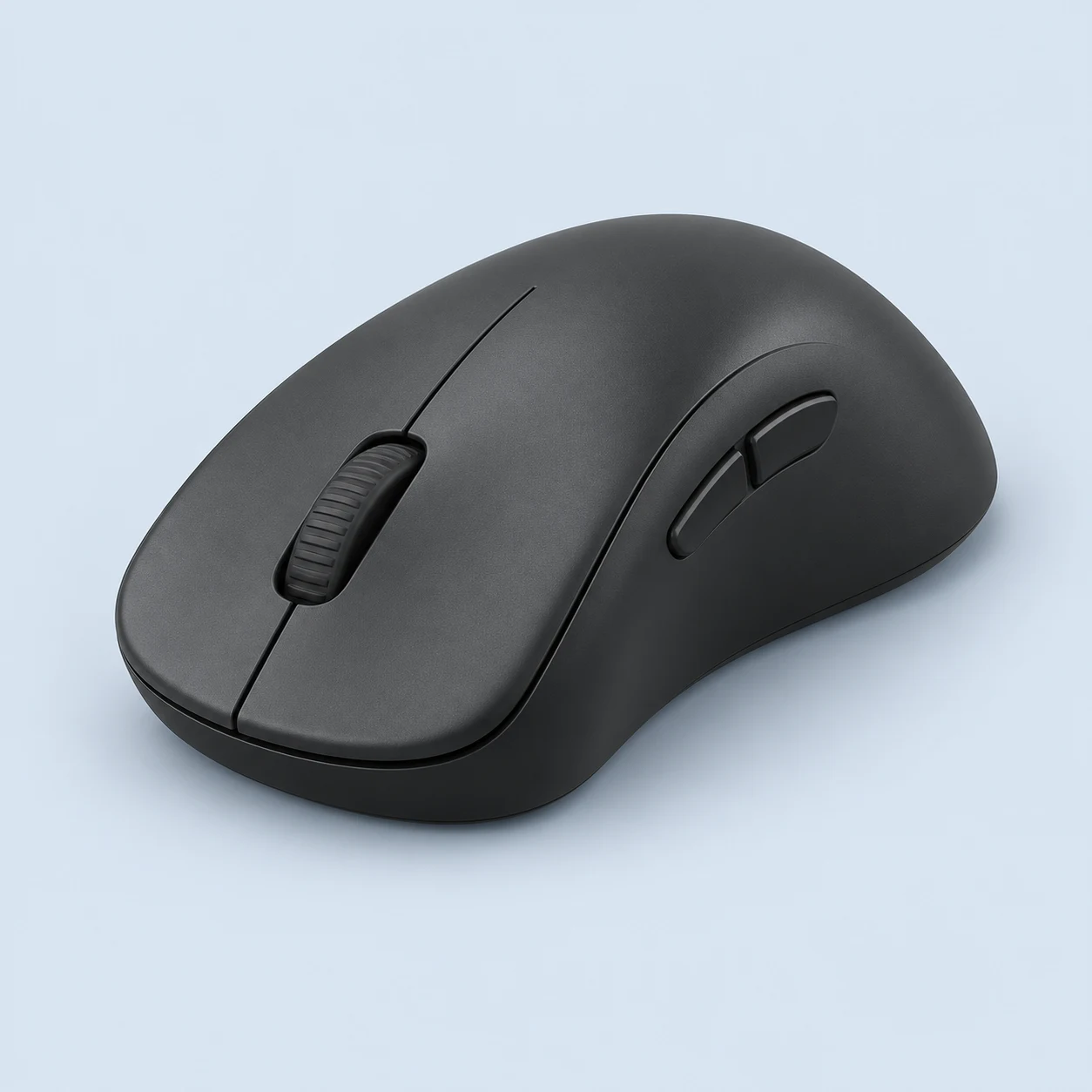
The medium EC2-DW combines ZOWIE's sloped right-handed shape with a documented 60 g body and included high-rate charging receiver. RTINGS identifies PAW3950 and confirms the absence of Bluetooth in this specific DW model. Its 4K option and lower mass distinguish it from EC2-CW, despite the familiar ergonomic outline. Physical settings avoid a software requirement, while battery claims range from 80 hours at 1K to 24 at 4K. Buyers should distinguish the narrower waist from the shell's maximum width.
Choose a right-handed ergonomic contact profile while retaining ZOWIE’s dock and onboard approach.
 Illustration
Pulsar
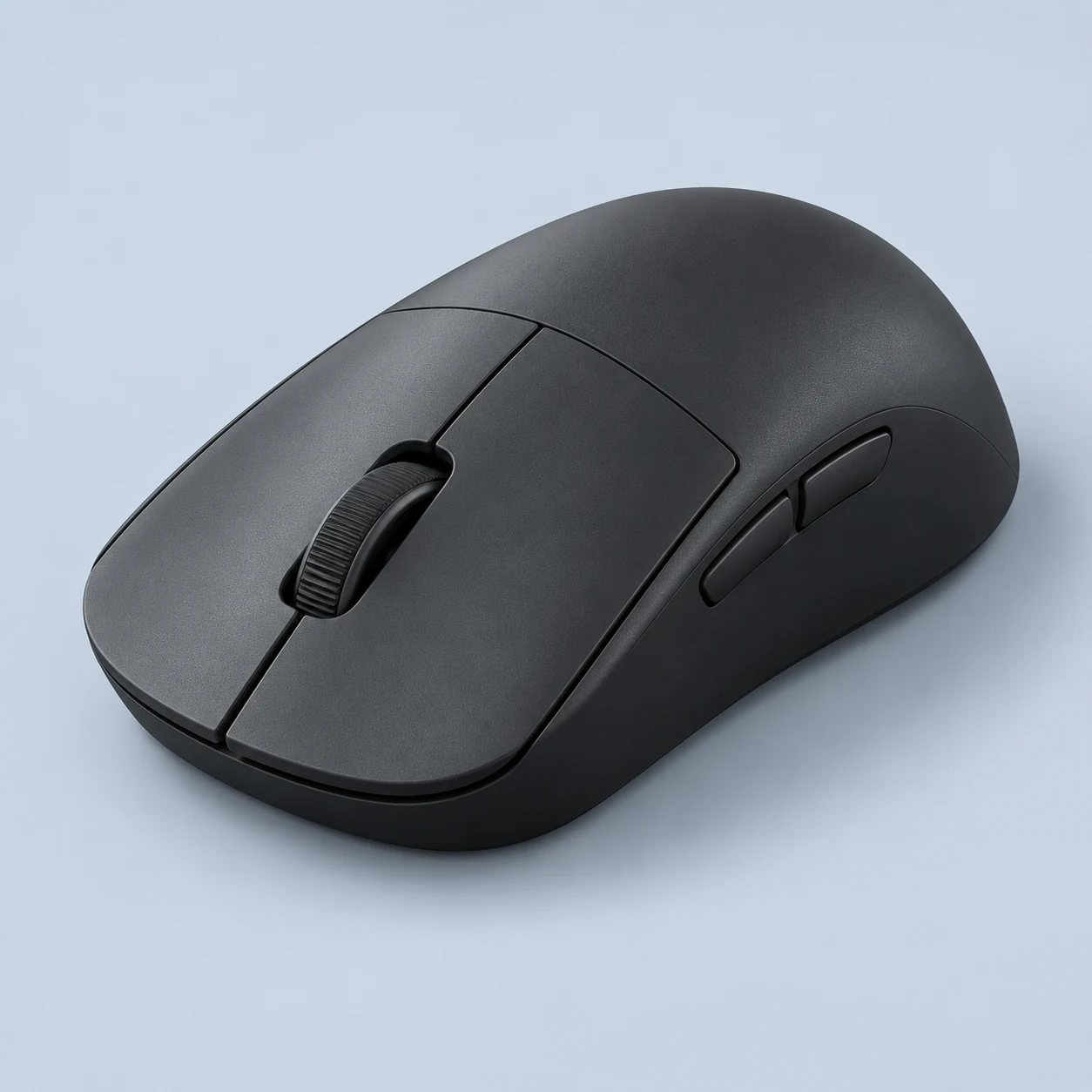
The medium X2 v3 combines a wide-waist, low-hump symmetrical shell with Pulsar's XS-1 sensor and optical main switches. Manufacturer dimensions are 120.4 by 63 by 38 mm, with 52 g plus or minus 1 g excluding cable. Standard reporting is 1K; 8K requires the separately purchased compatible receiver. Pulsar positions the shape toward claw and fingertip use and provides Windows configuration. Exact battery, physical-button and additional connection details remain unconfirmed rather than being copied from X2 Mini, eS or CrazyLight variants.
A different low-hump platform supports Windows remapping when driverless simplicity is not the priority.
ProSettings · PROFESSIONAL_REVIEW · Accessed 10/3/2026
Source checked: 10/3/2026 · Verified
Published: 2025-05-06
Actual DW physical review inspected: PAW3950, Huano mechanical switches, no RGB, claw contact, receiver and wheel tradeoffs. No review images copied.
ZOWIE · OFFICIAL · Accessed 10/3/2026
Source checked: 10/3/2026 · Verified
Exact DW product reopened; distinguish maximum width from waist width and reporting-dependent runtime.
ZOWIE · OFFICIAL · Accessed 10/3/2026
Source checked: 10/3/2026 · Verified
Visually checked official diagram;123.3 ×64.3 ×38.1 mm using overall maximum width and peak height. Research reference only, no media reuse licence inferred.
Yes. ZOWIE supplies the enhanced receiver/dock alongside a conventional receiver.
The documented claims are 80 hours at 1K, 30 at 2K and 24 at 4K.
Its key settings are adjusted through onboard controls; intricate software macros are not a documented feature.